Editor’s Note: This chapter is part of a larger Benelux travel journal, capturing moments across Belgium, the Netherlands, and Luxembourg. Here, we step into the Luxembourg for three quiet, contemplative days.
Basecamp: Where Railways Meet Rest
Our sanctuary for this leg was the Luxembourg Marriott Hotel Alfa, sitting directly opposite Luxembourg Gare Centrale. In a country where train tracks and winding roads seamlessly connect historic valleys to ancient forests, staying at this crossroads meant every horizon was within reach.
Day 1: Fortress in the Clouds & Metaphors of Stone
We arrived on the morning train from Brussels Centrale, watching the flat urban sprawl yield to undulating forests and deep gorges carved over millennia.
Luxembourg City feels unlike any other capital. It carries a quiet dignity—a nation famously ranked among the top three in global GDP per capita (PPP), yet it wears its wealth without ostentation. There is no chaotic rush, no grandstanding. Instead, there is the silent efficiency of a place that offers completely free public transit across the entire country—a gesture that immediately shifts a traveler’s mindset from consumption to open exploration.
Luxembourg City – The Walkable Sanctuary
Here are the highlights to visit in the city on Day 1.
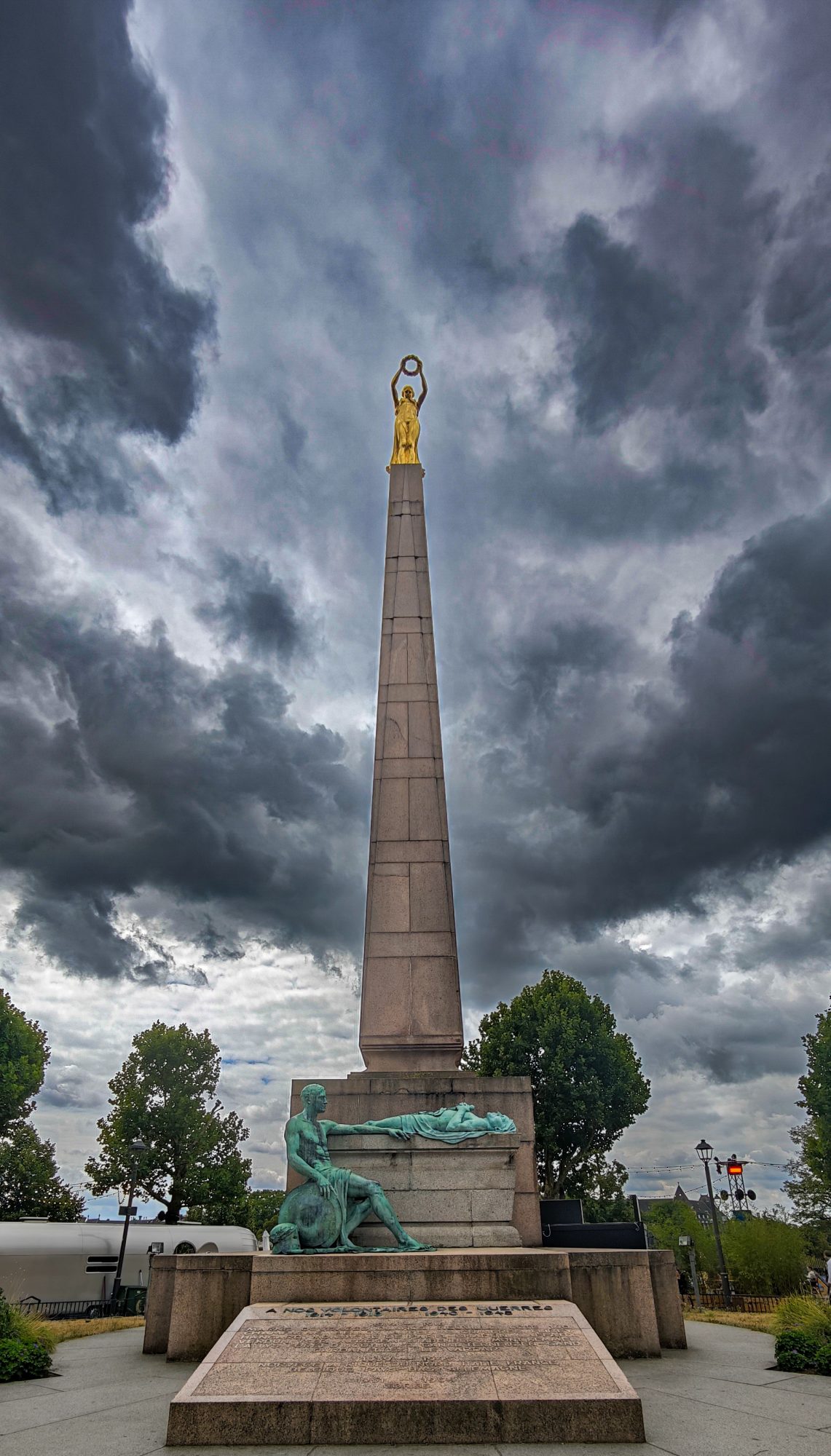
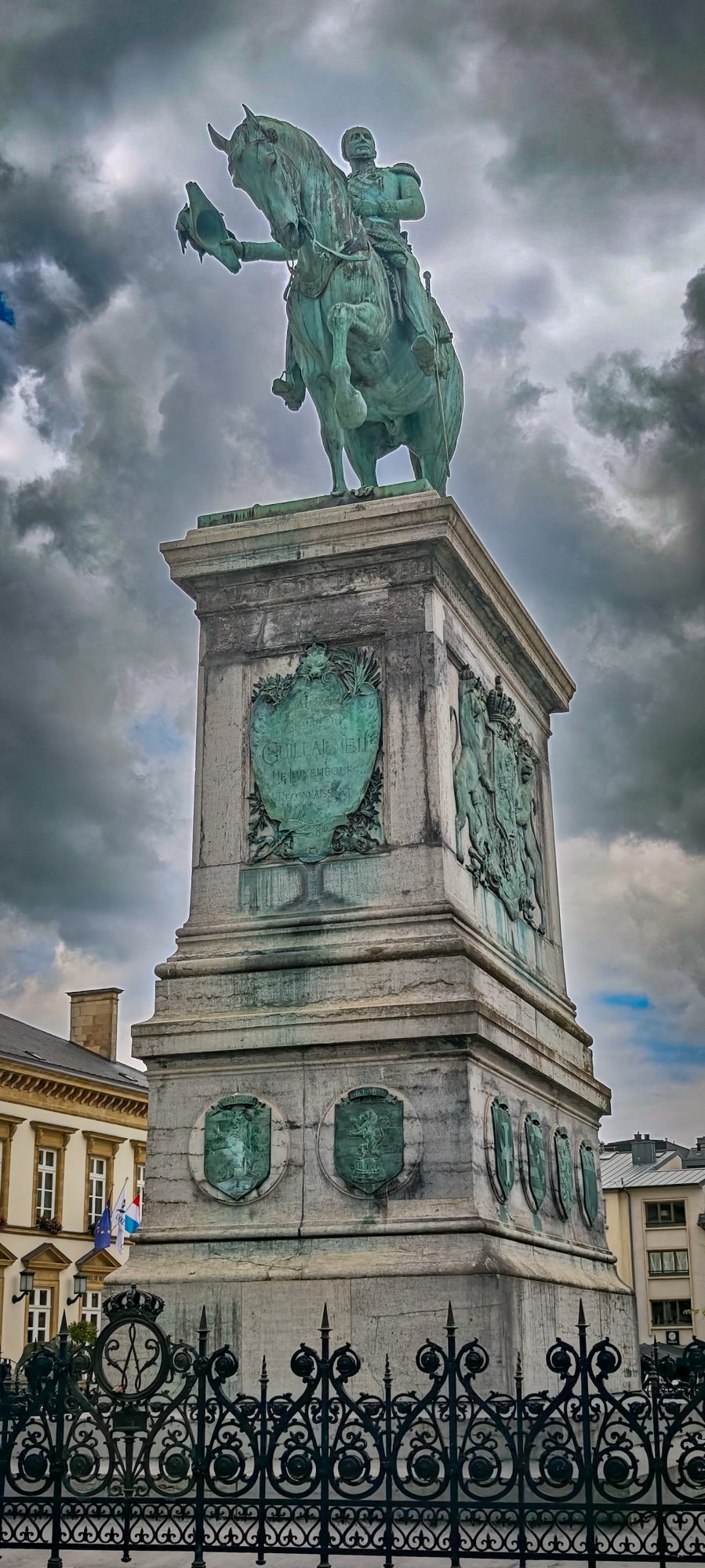
- Place d’Armes & Place Guillaume II: Soft sunlight filtered through the leaves of Place d’Armes as locals lingered over espresso. A stone’s throw away, the wide expanse of Place Guillaume II framed the civic spirit of the city.
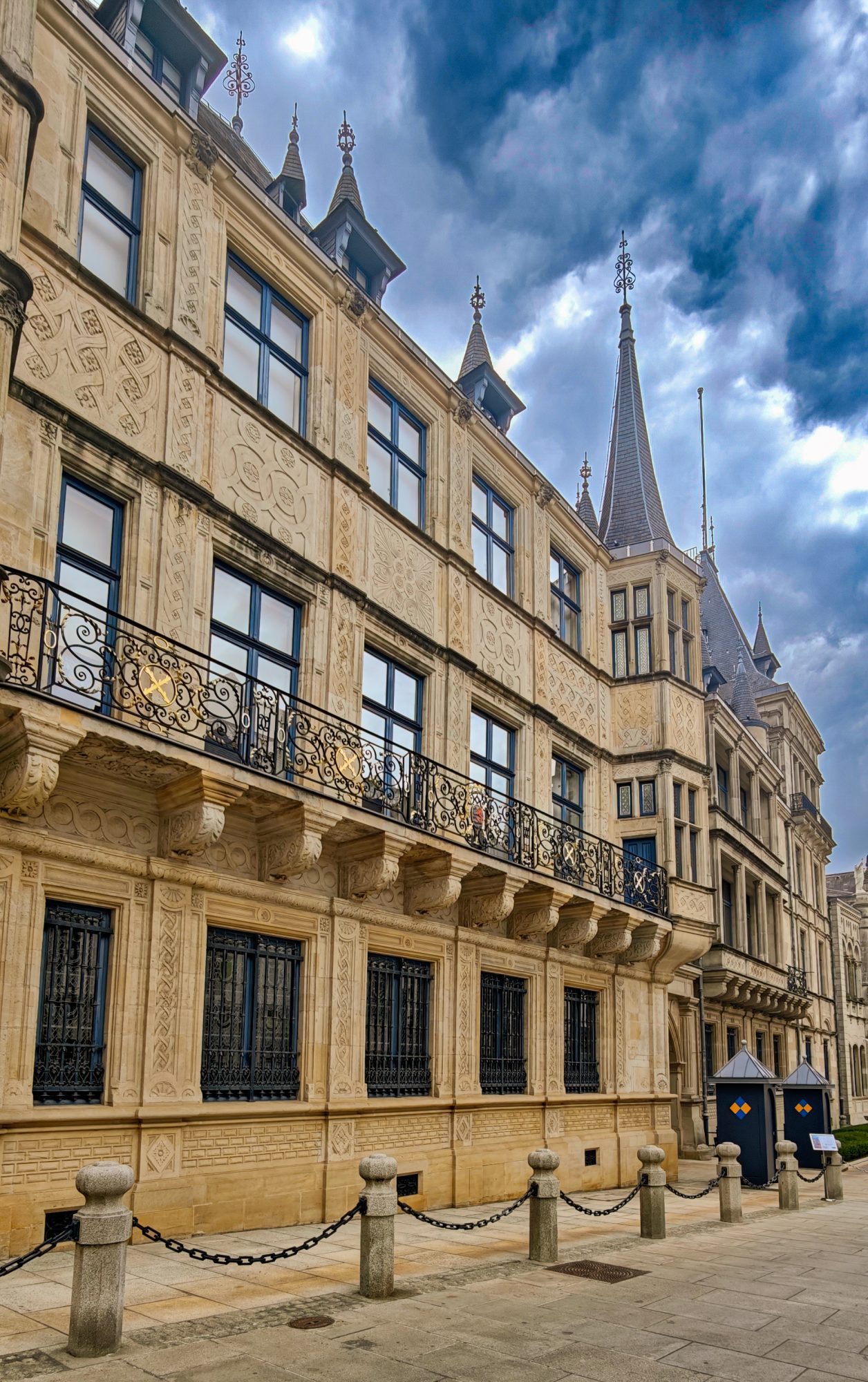
- Palais Grand-Ducal: The delicate Flemish Renaissance facade stood in regal elegance, guard footsteps echoing lightly off the cobblestones.
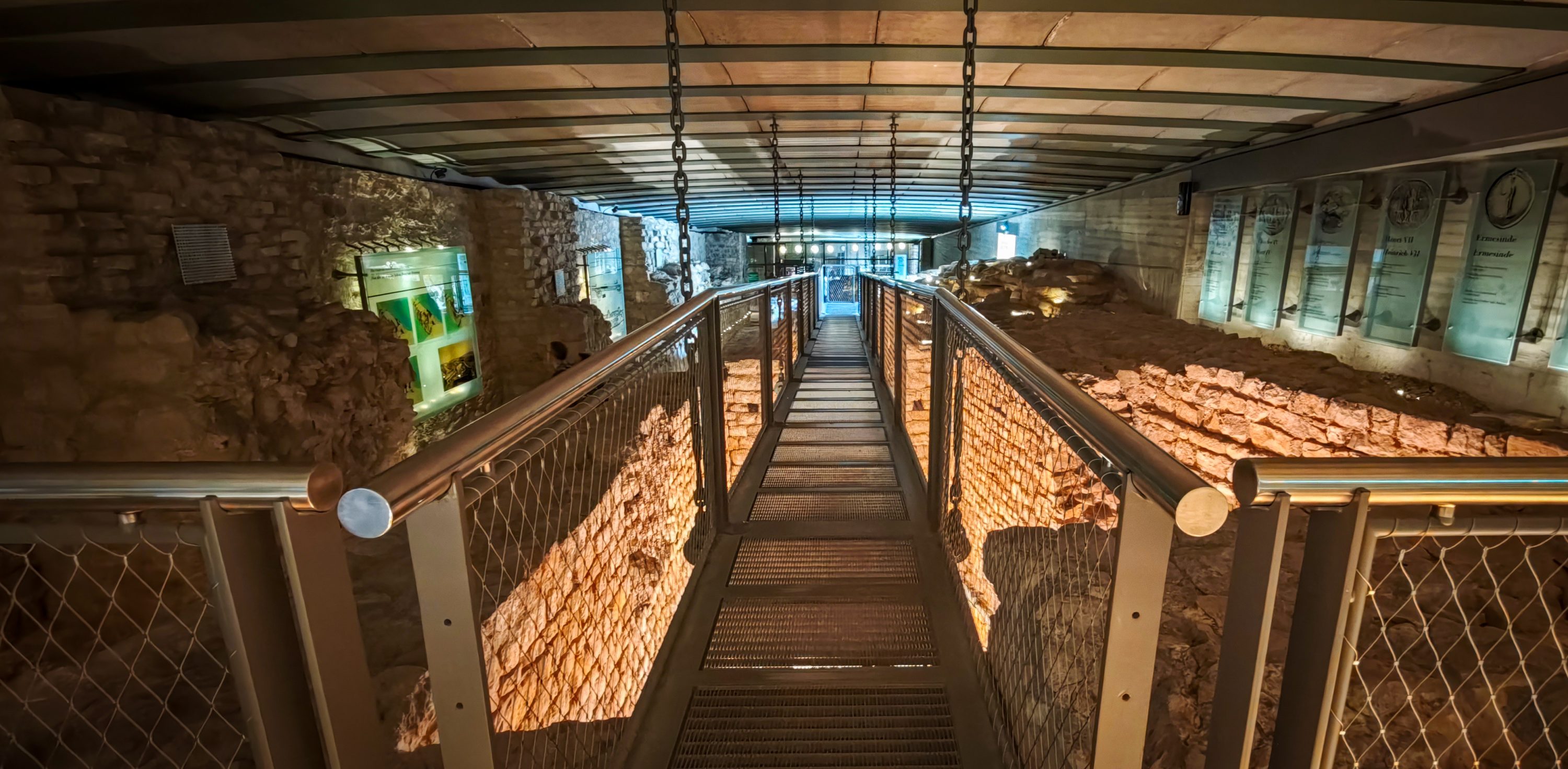
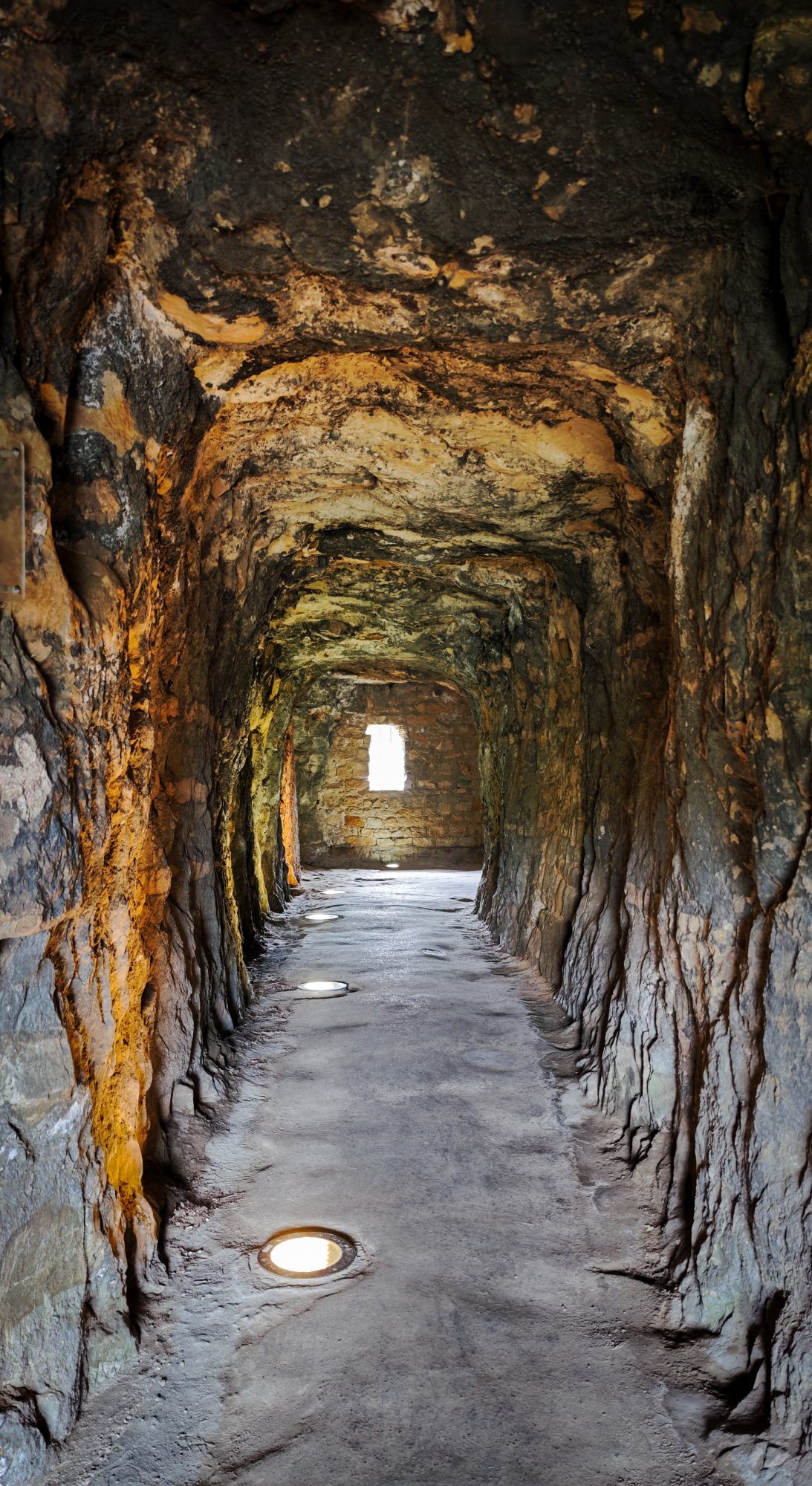
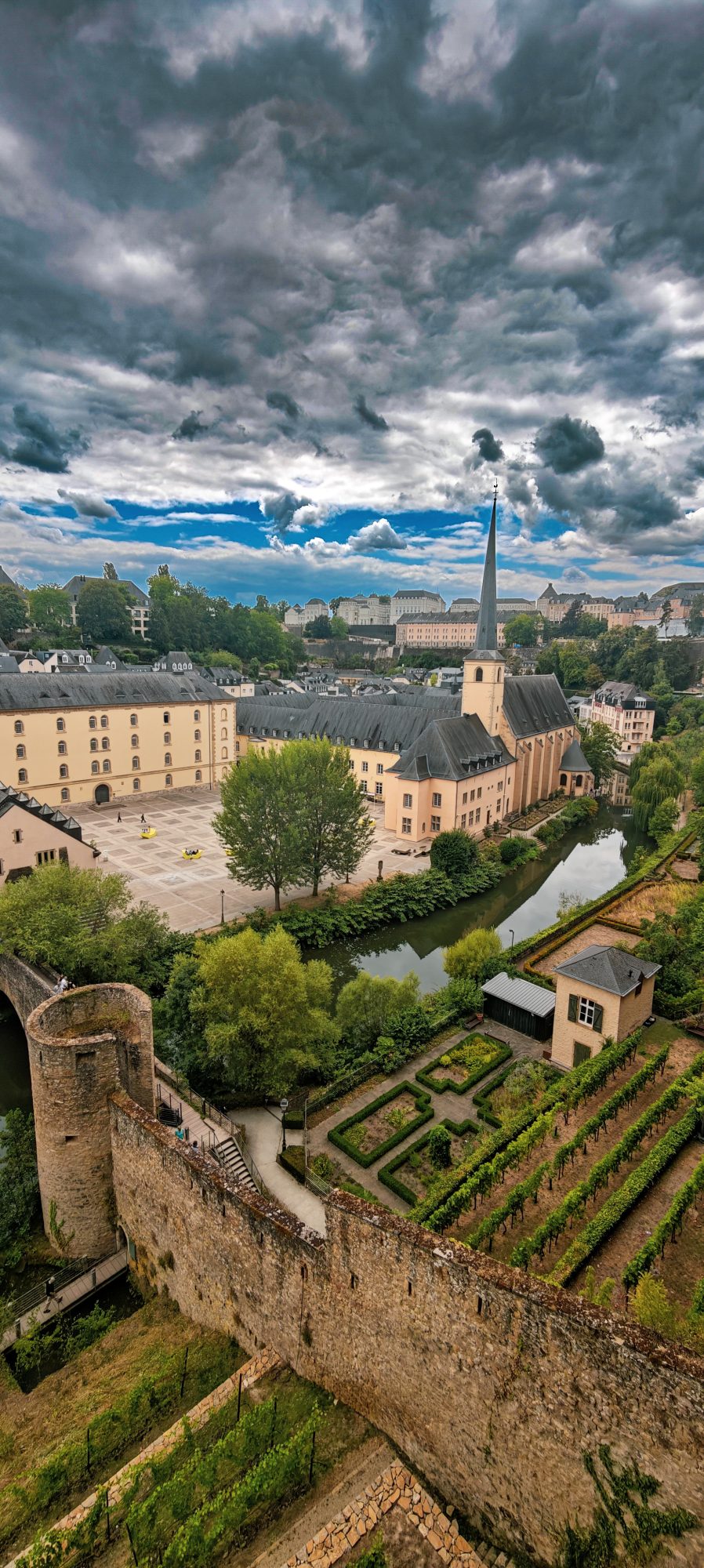
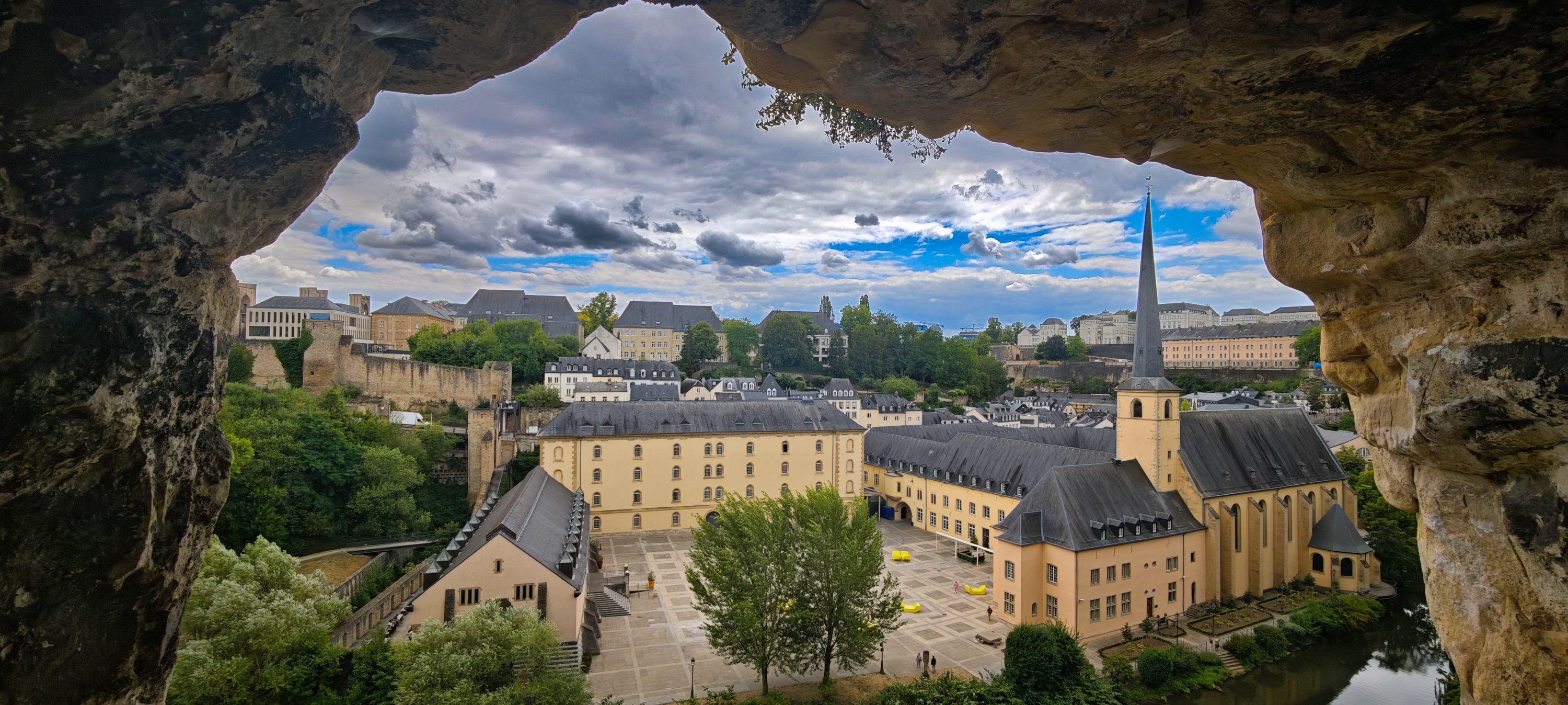
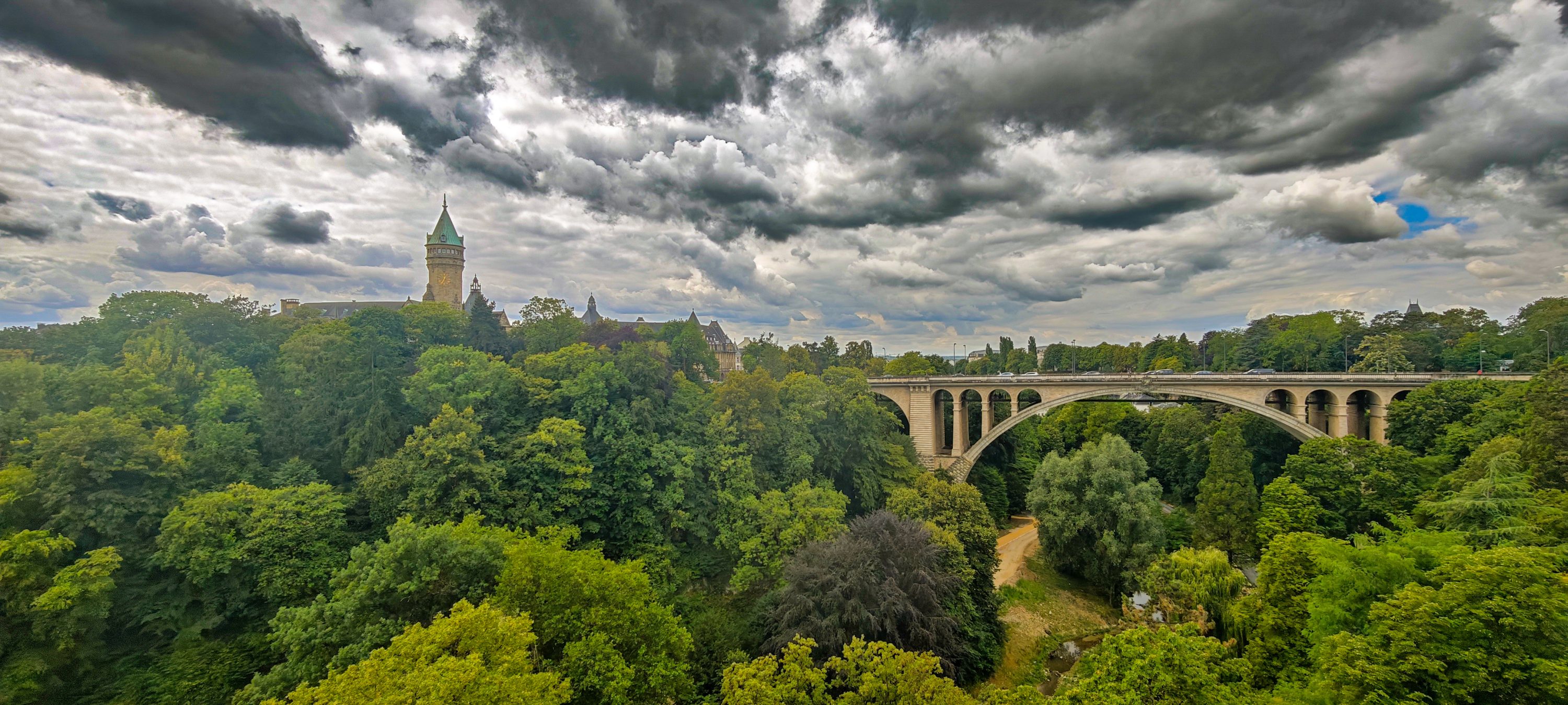
- Casemates du Bock: Carved deep inside the cliff face, these are subterranean defense corridors. Looking out through the narrow stone cannon loopholes, a dramatic, bruised sky hung over the valley—a photographer’s dream. The high contrast of moody light against ancient limestone stirred something deeply creative within me.
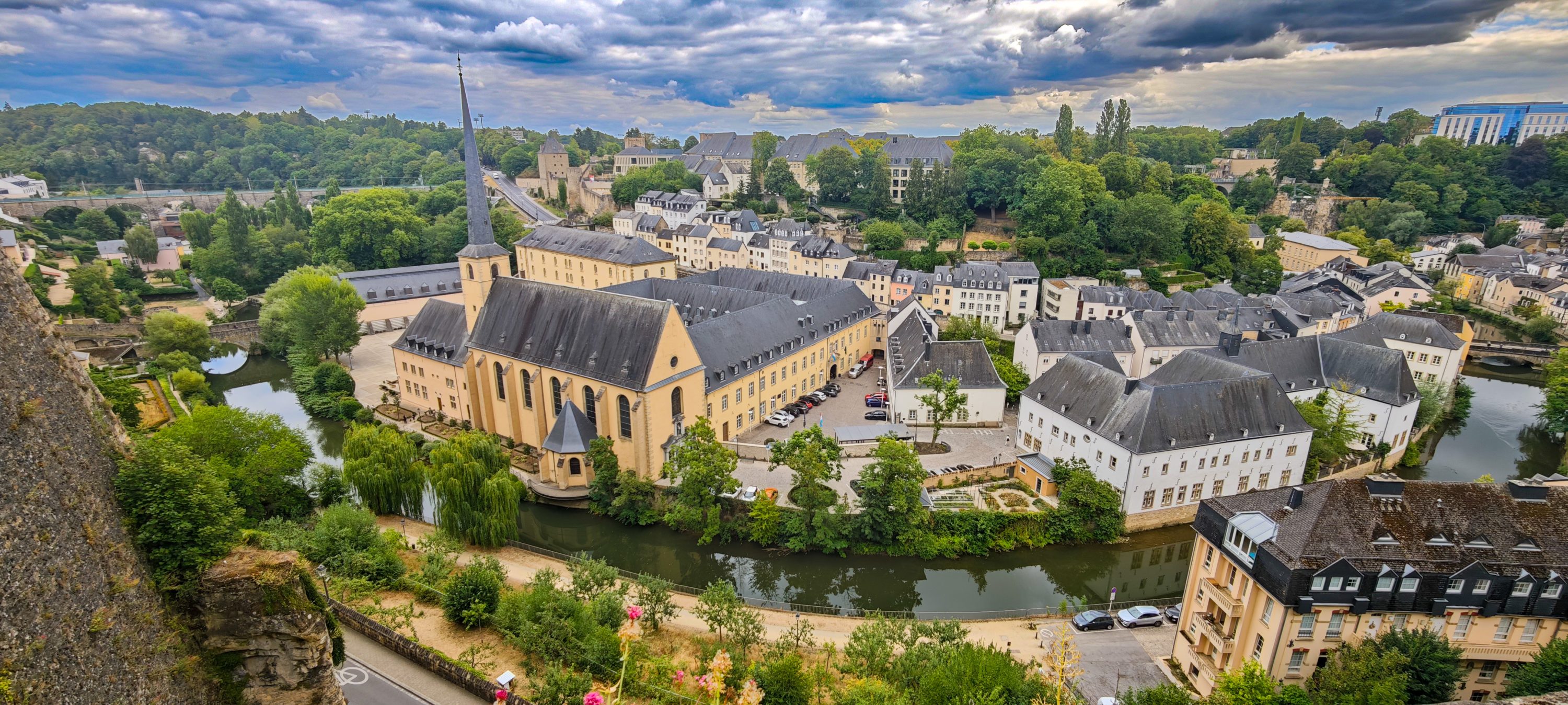
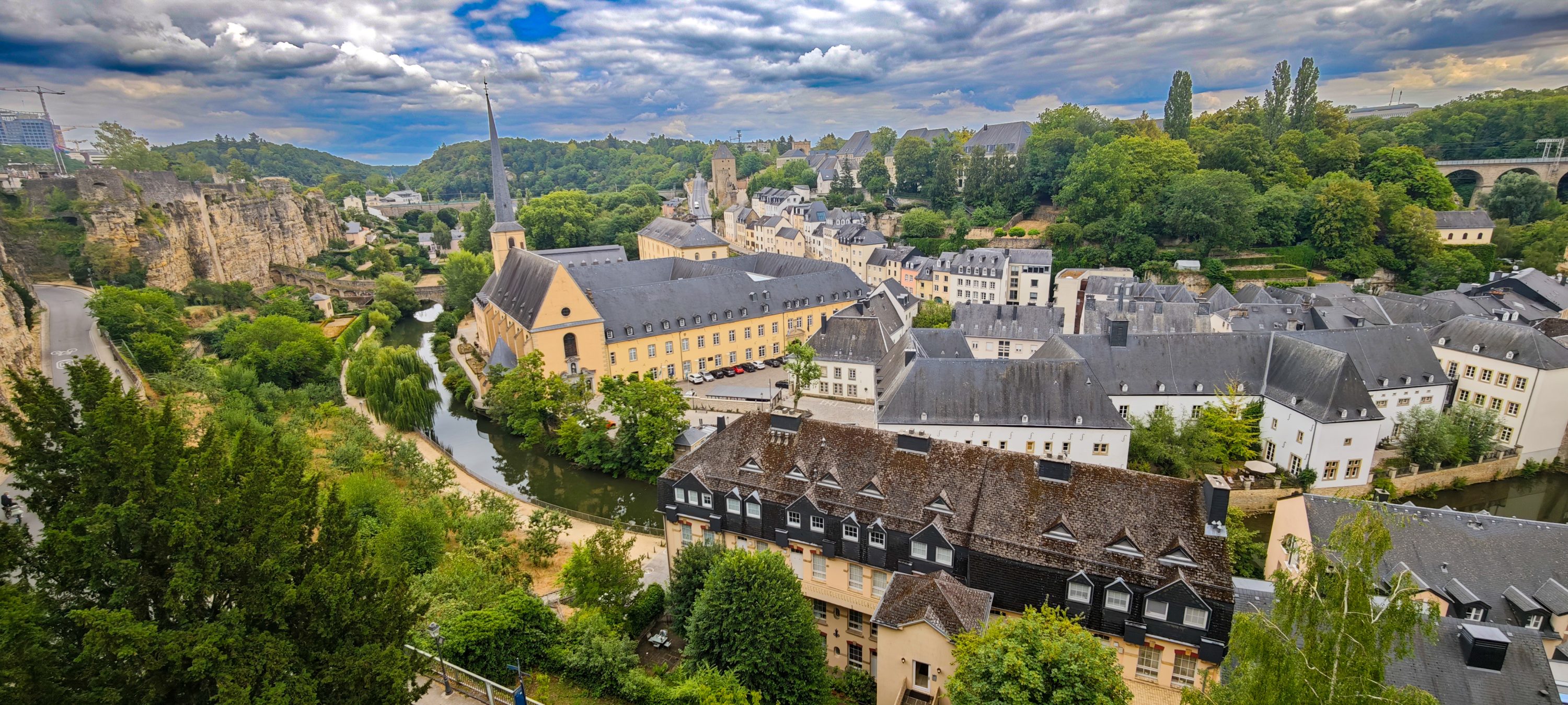
- Chemin de la Corniche: Walking along “Europe’s most beautiful balcony,” the city opened up into layers of stone parapets and slate roofs below.
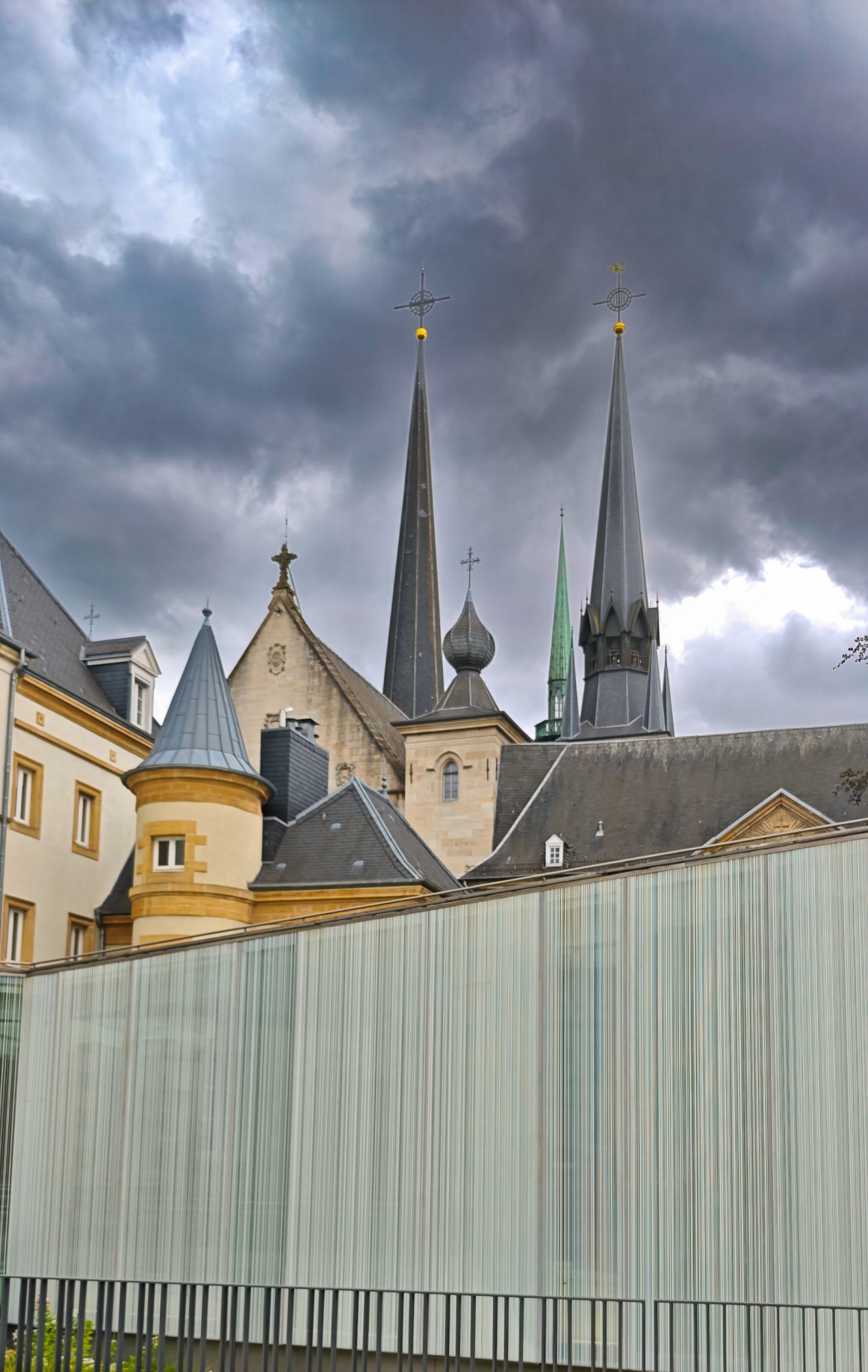
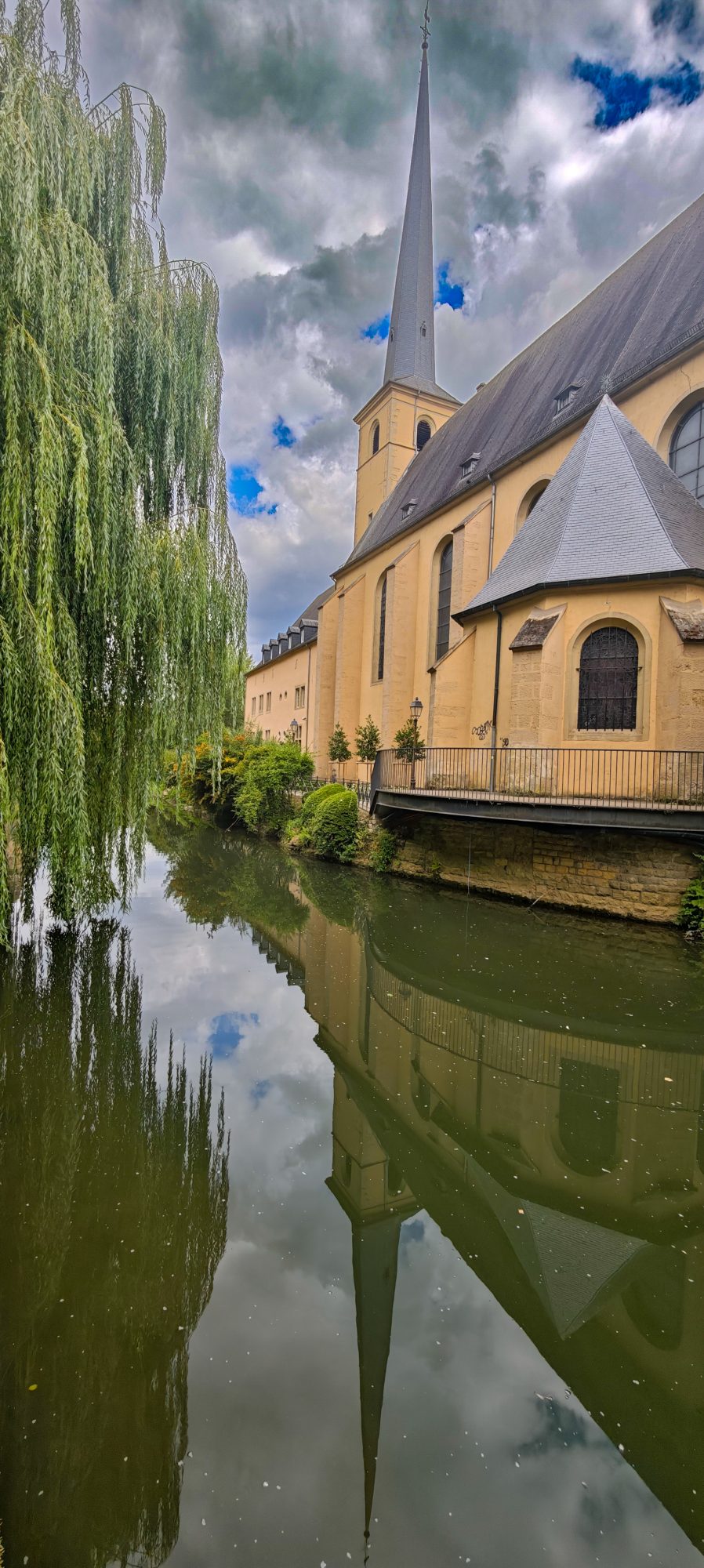
- The Grund & Neumünster Abbey: Stepping down into the quiet valley quarter, Neumünster Abbey stood beside the Alzette River. It is impossible to stand here without feeling the weight of history: a site that began as a 17th-century Benedictine abbey, transformed into a cold military hospital, degraded into a state prison, and now blossoms as a vibrant public cultural center. What a profound metaphor for human endurance—that structures built for isolation and control can ultimately be reclaimed for art, music, and shared humanity.
Day 2: The Castles, Moss, and the Art of Waiting
Day two was dedicated to the countryside. Traveling across Luxembourg’s rural interior is remarkably frictionless thanks to its network of free regional buses and trains.
Travel tip:
- The Essential App: Download Mobiliteit.lu for live schedules, platform updates, and route planning across all trains, trams, and buses in Luxembourg.
- Starting Hub: Luxembourg, Gare Centrale (or Luxembourg, Gare Rocade located right behind the station).
- Heading to Vianden Castle: Take the regional train/bus northbound via Ettelbruck, Gare routière, connecting to the local bus heading to your destination stop at Vianden, Gemeng (or Vianden, Place Engelmann or Vianden Breck).
- Heading to Schiessentümpel Waterfall: Route through the transit hub at Junglinster, P+R, connecting directly to the destination stop at Mullerthal, Schiessentümpel.
Vianden: Emerging from the Earth
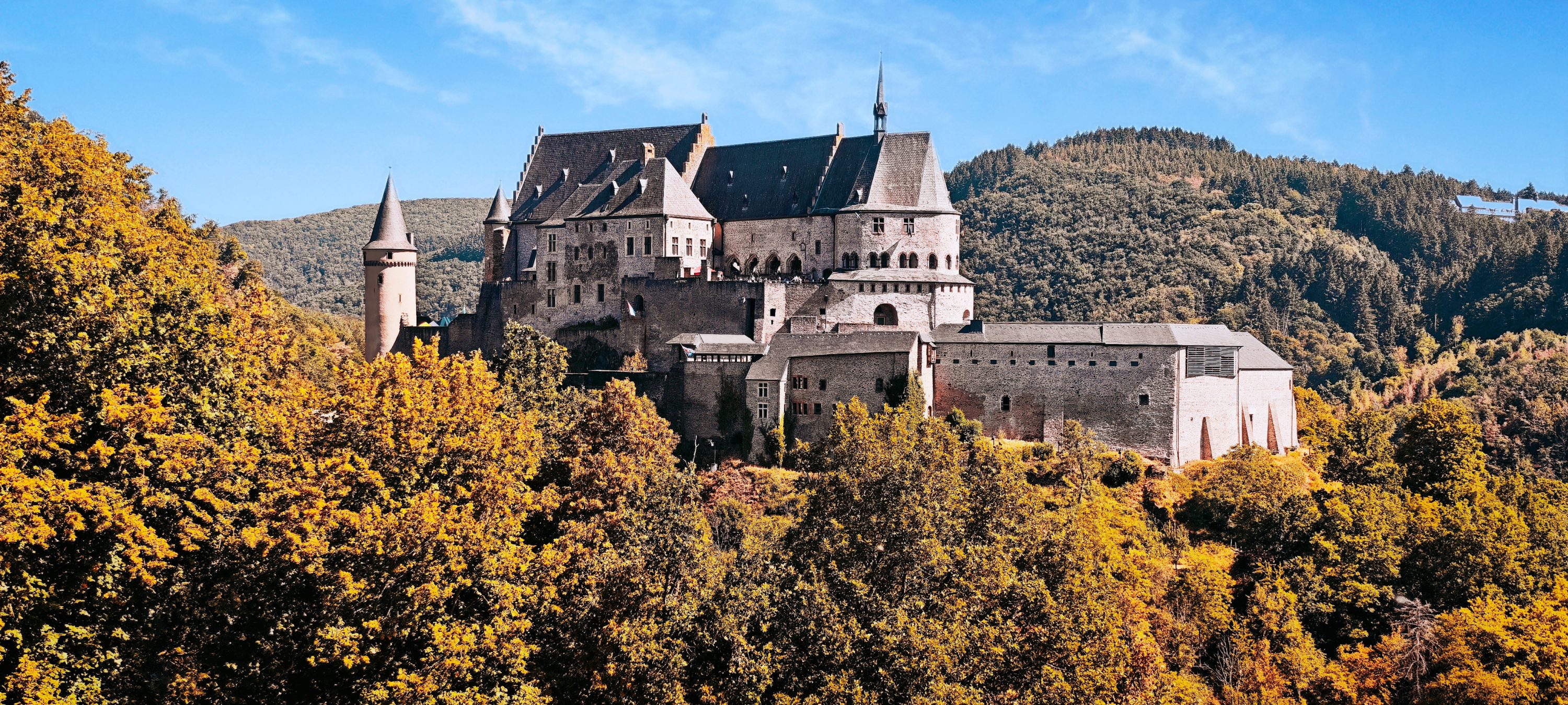
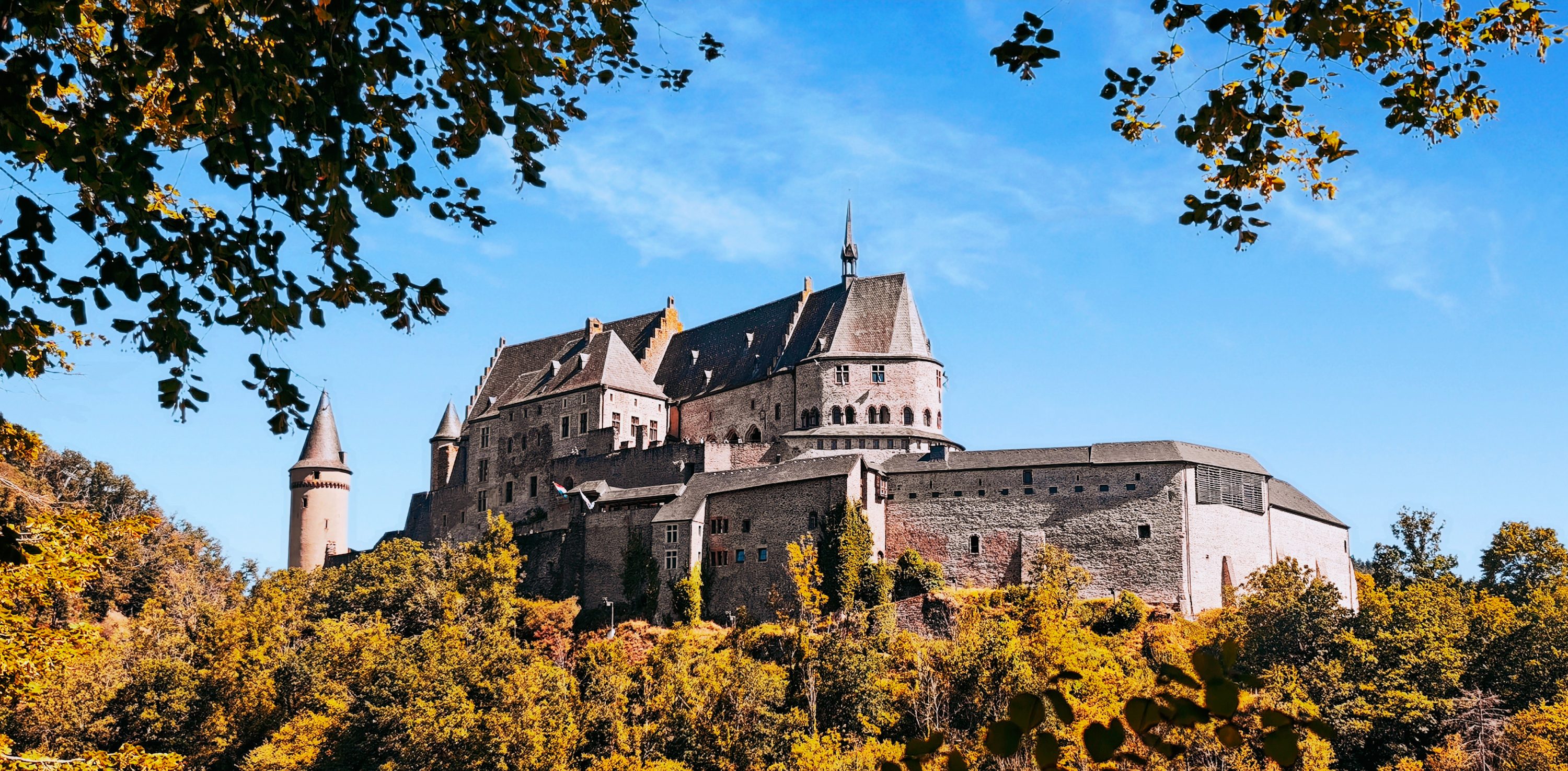
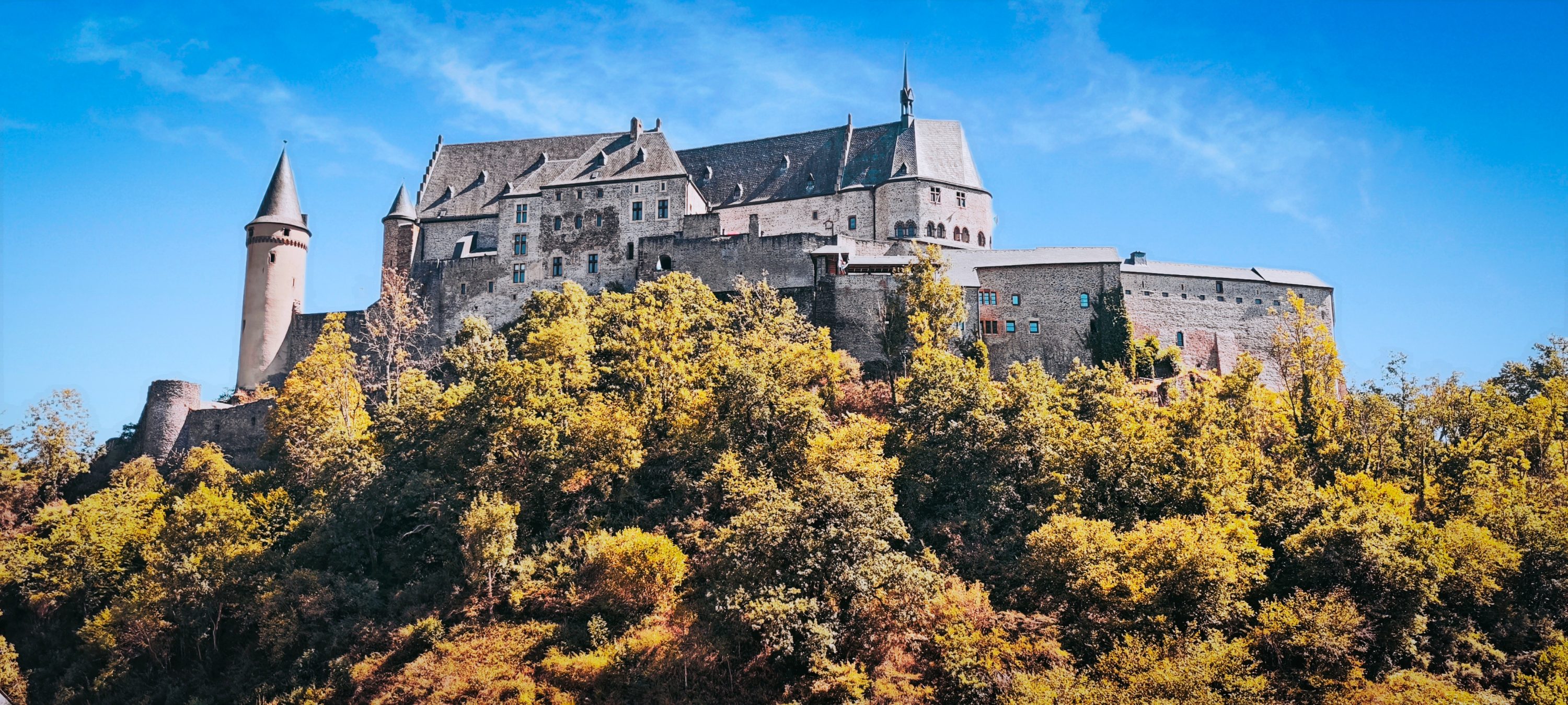
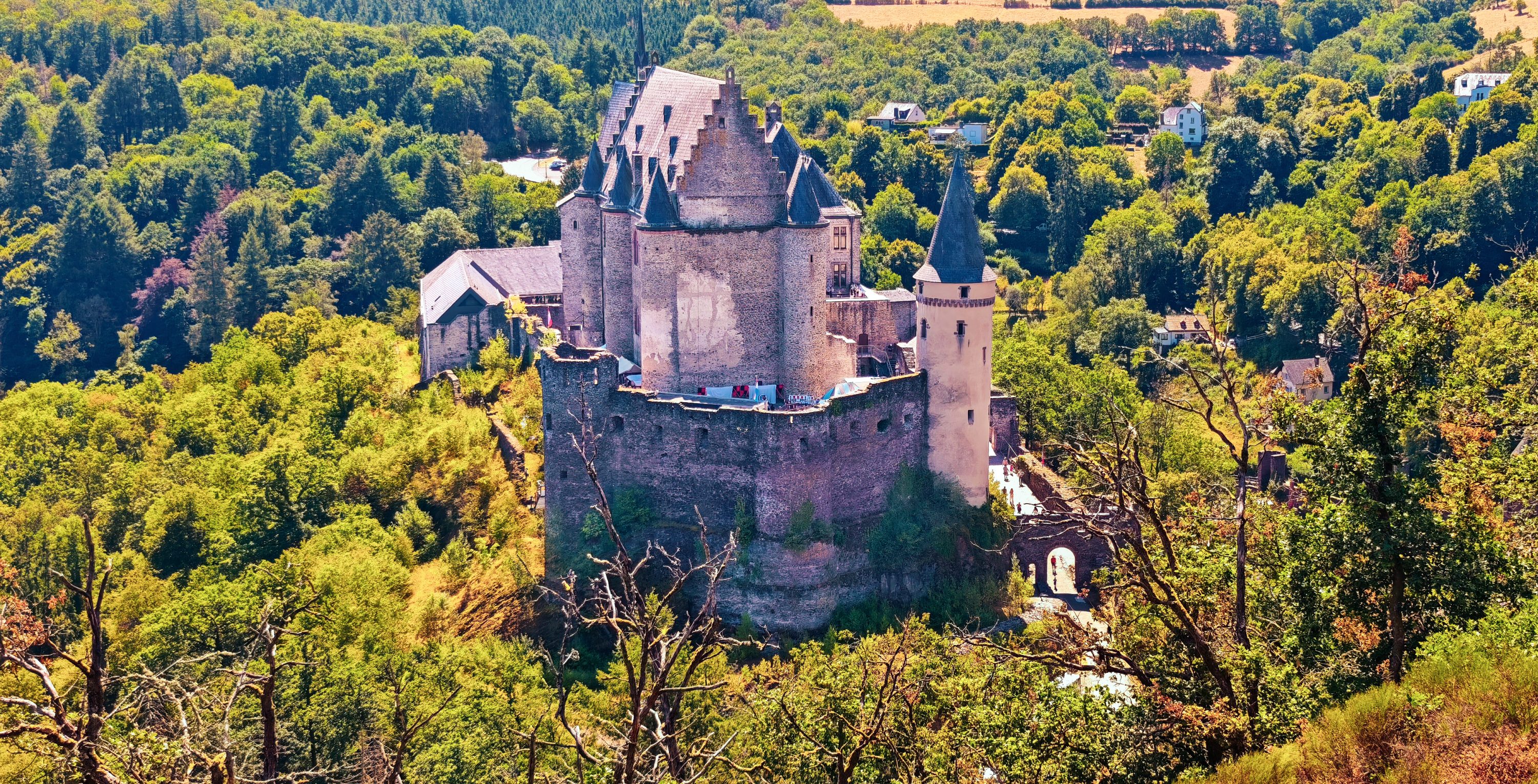
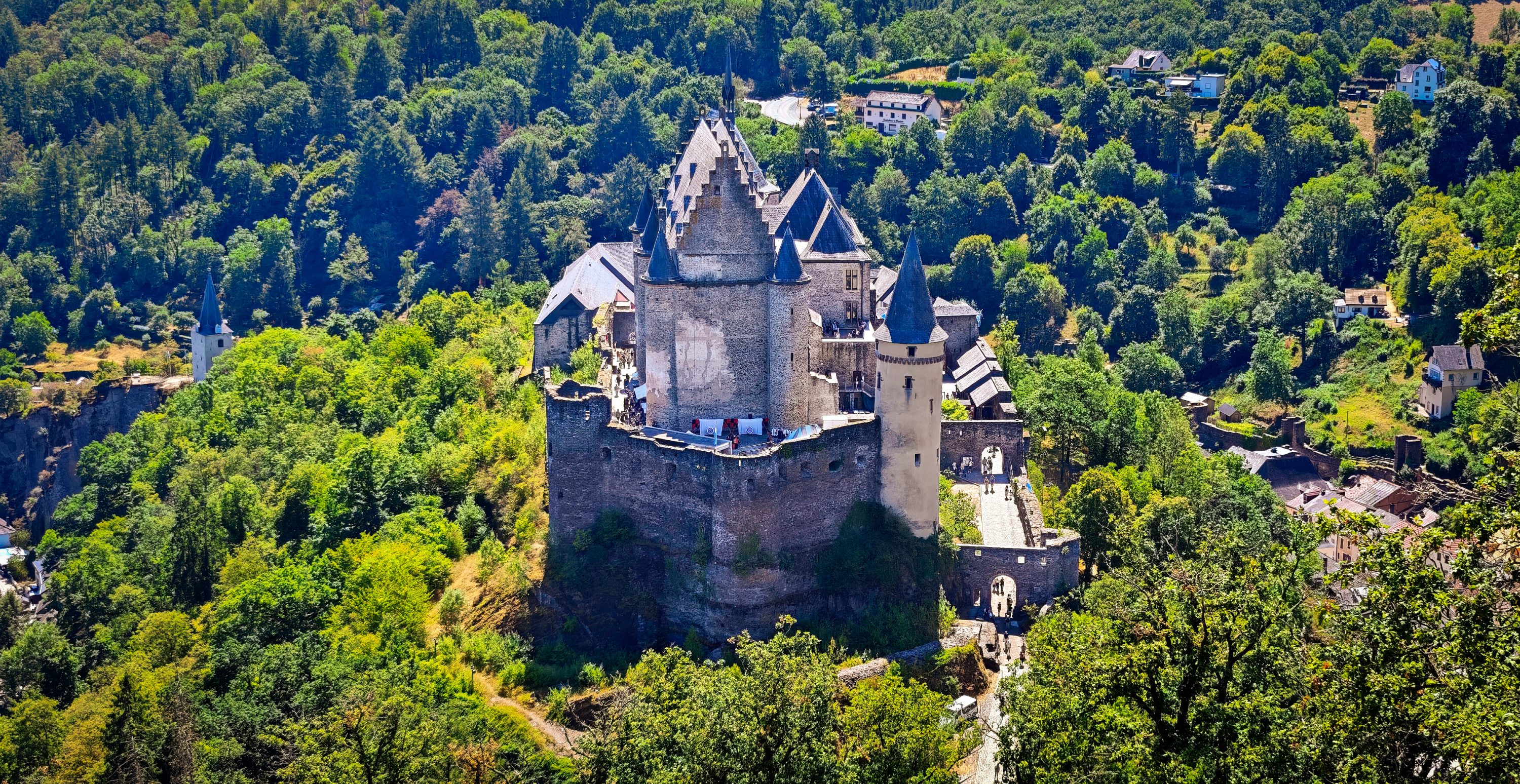
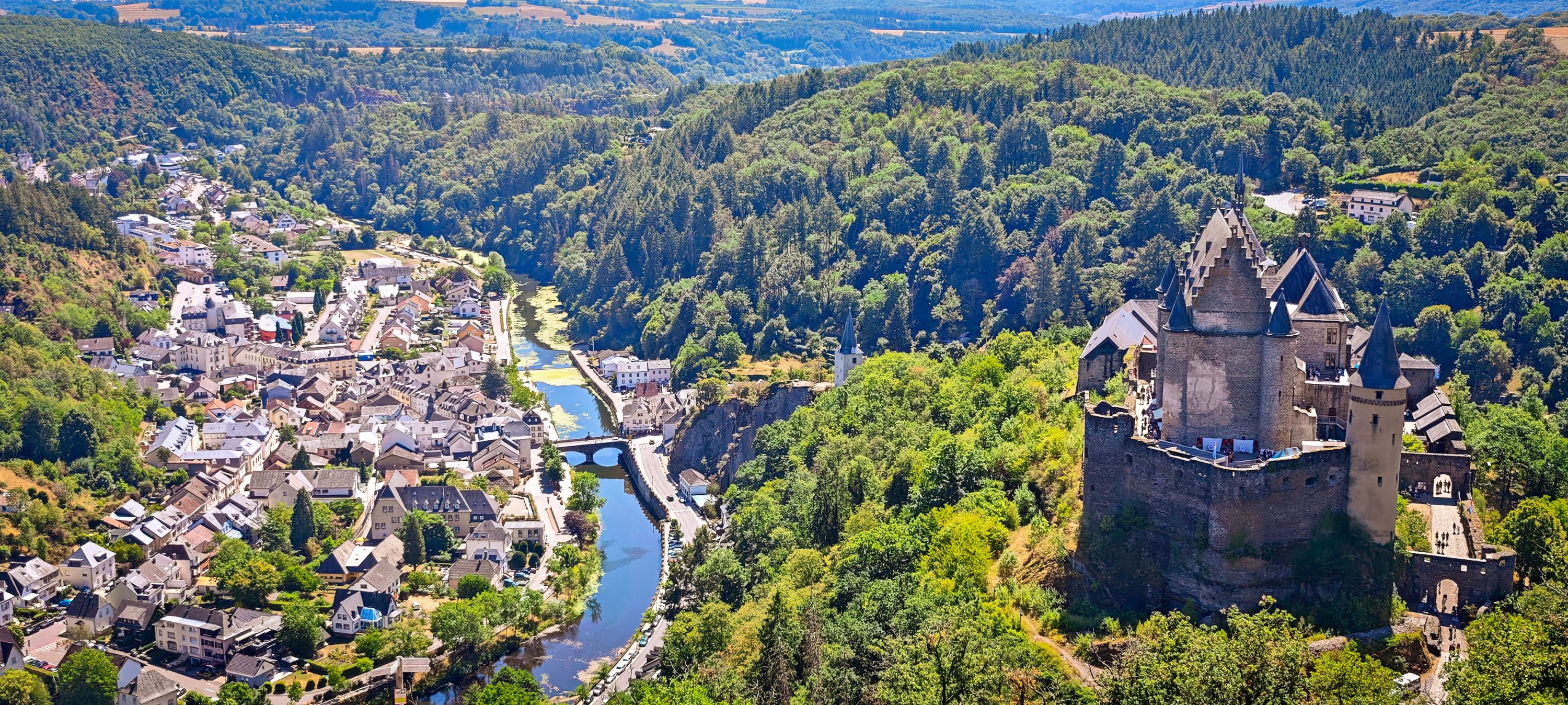
Rising out of the craggy green hills like a titan forged from the landscape itself, Vianden Castle feels less like a building constructed by human hands and more like a rock formation that grew organically into towers and ramparts.
Looking through my Leica lens, its cinematic depth glass rendered the castle’s sharp stone contours against the soft rolling mist of the valley. Every frame felt like a still from a forgotten myth.
Schiessentümpel: The Solitary Second
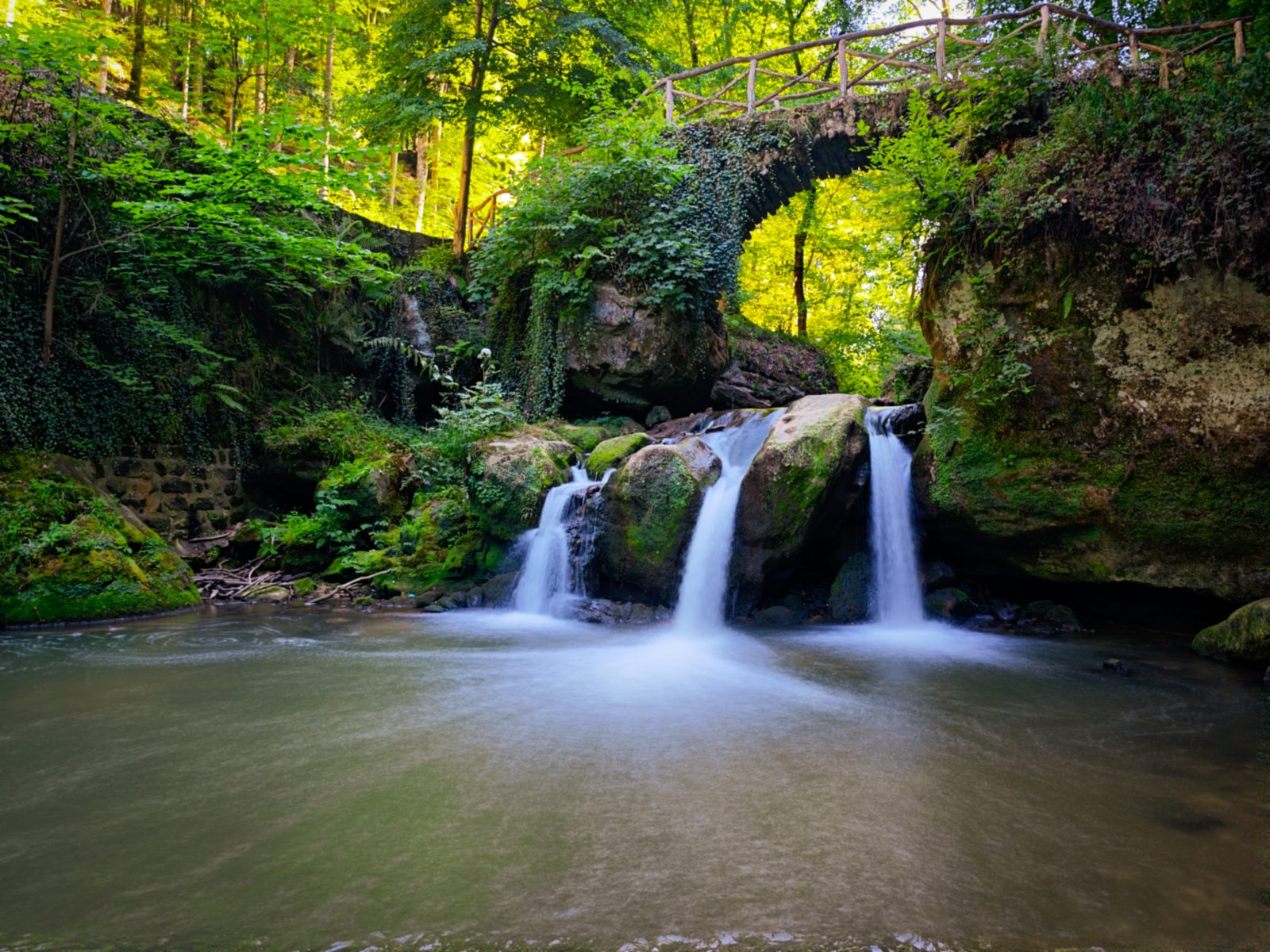
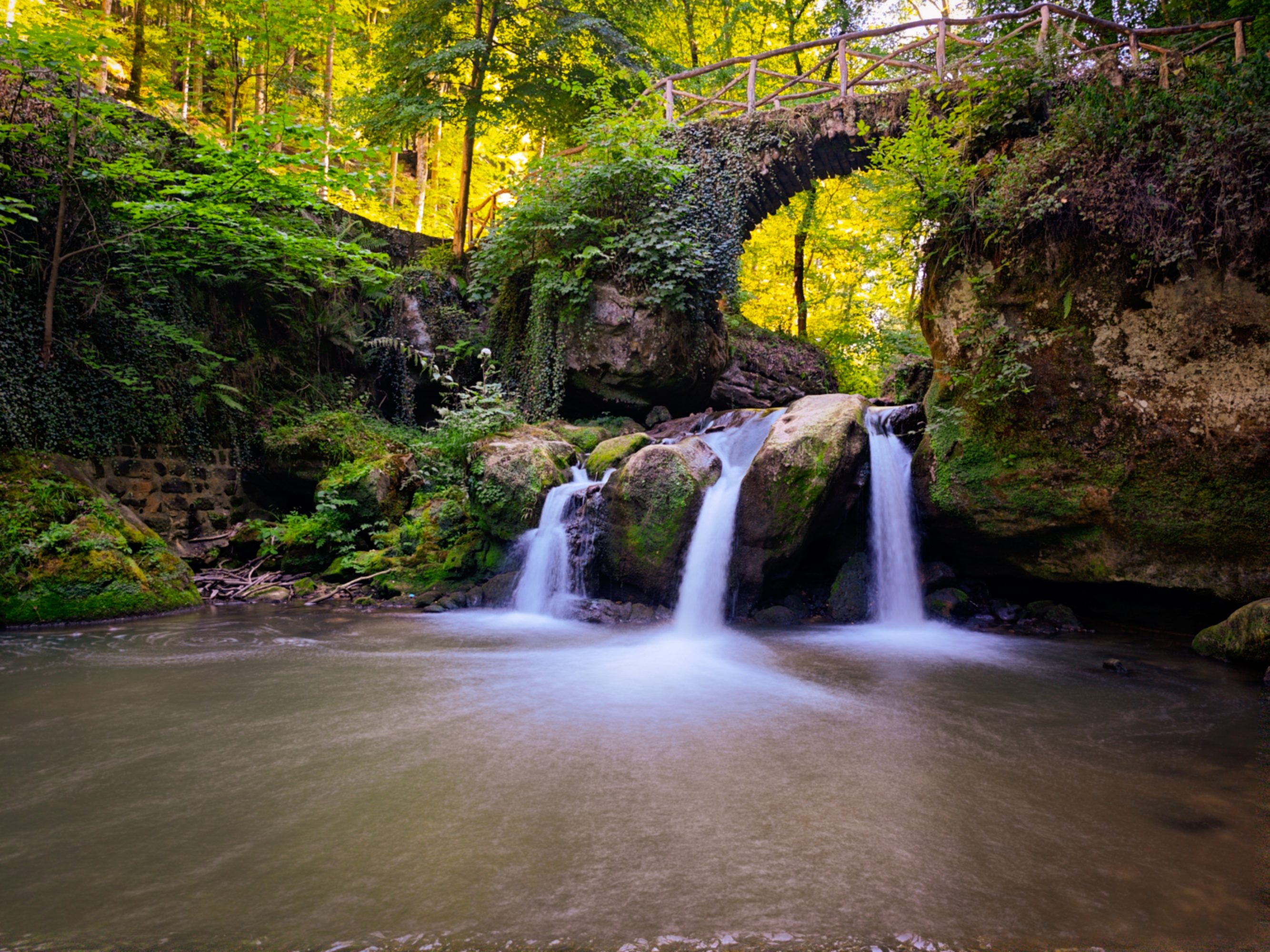
In the heart of the Mullerthal region—Luxembourg’s “Little Switzerland”—lies the Schiessentümpel, a fairytale stone bridge arching over a triple-tier waterfall.
Here, photography became a meditation on time. For nearly an hour, I stood motionless beside the damp rock face, camera raised, watching steady streams of fellow travelers cross the bridge. I waited patiently for that elusive, magical moment when the world would quiet down—a single, fleeting window of a few seconds where no human figure was in the frame. And then it happened: the world paused, the shutter clicked, capturing only moss, rushing water, carved stone, wooden bridge and absolute stillness.
We spent over 9 hours that day drifting on free buses through emerald valleys and quiet hamlets. Despite the hours on the road, there wasn’t a single complaint—the transit itself was an invitation to watch the country unfurl like a quiet moving picture.
Day 3: A Gentle Departure
Our final morning in Luxembourg was deliberate and unhurried. We indulged in a slow, sun-drenched brunch near the station, letting the experiences of the past forty-eight hours settle into memory.
Luxembourg is a rare place: a nation carved into cliffs and fortresses, yet defined today by open gates, free movement, and quiet reflection. As we boarded our train to continue the journey back home, we carried with us the stillness of the Grund, the shadows of the Bock, and that one perfect, quiet second at the waterfall.
Brilliant as always !
Looking forward to your Netherlands experience note as we lived there for 4 years and are familiar with that country – we loved our stay there and have fond memories
Thanks a lot Bosky