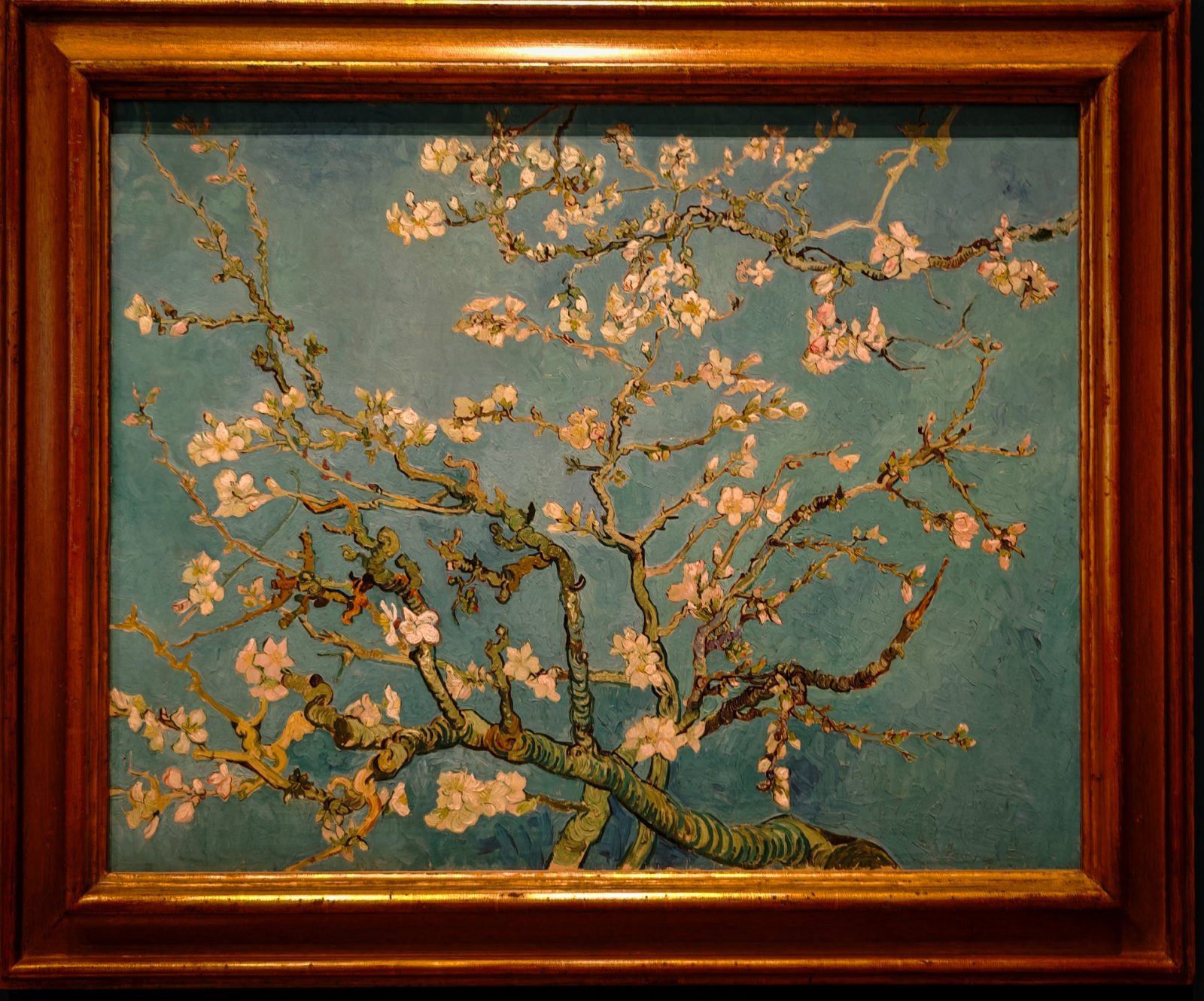
There is a quiet, haunting weight that settles over you as you walk through the standard, cobblestone streets of Amsterdam. The city’s historic canals mirror the golden Northern light, but inside its most famed spaces—the Rijksmuseum, the Van Gogh Museum, and the Anne Frank House—a far darker and more profound reflection awaits.
To step into these three places is not merely to appreciate art or history. It is to confront a sobering paradox about human existence: the tragic disconnect between living a life and leaving a legacy.
The Anatomy of Tragedy
Consider the fates of the four figures whose presence fills these spaces:
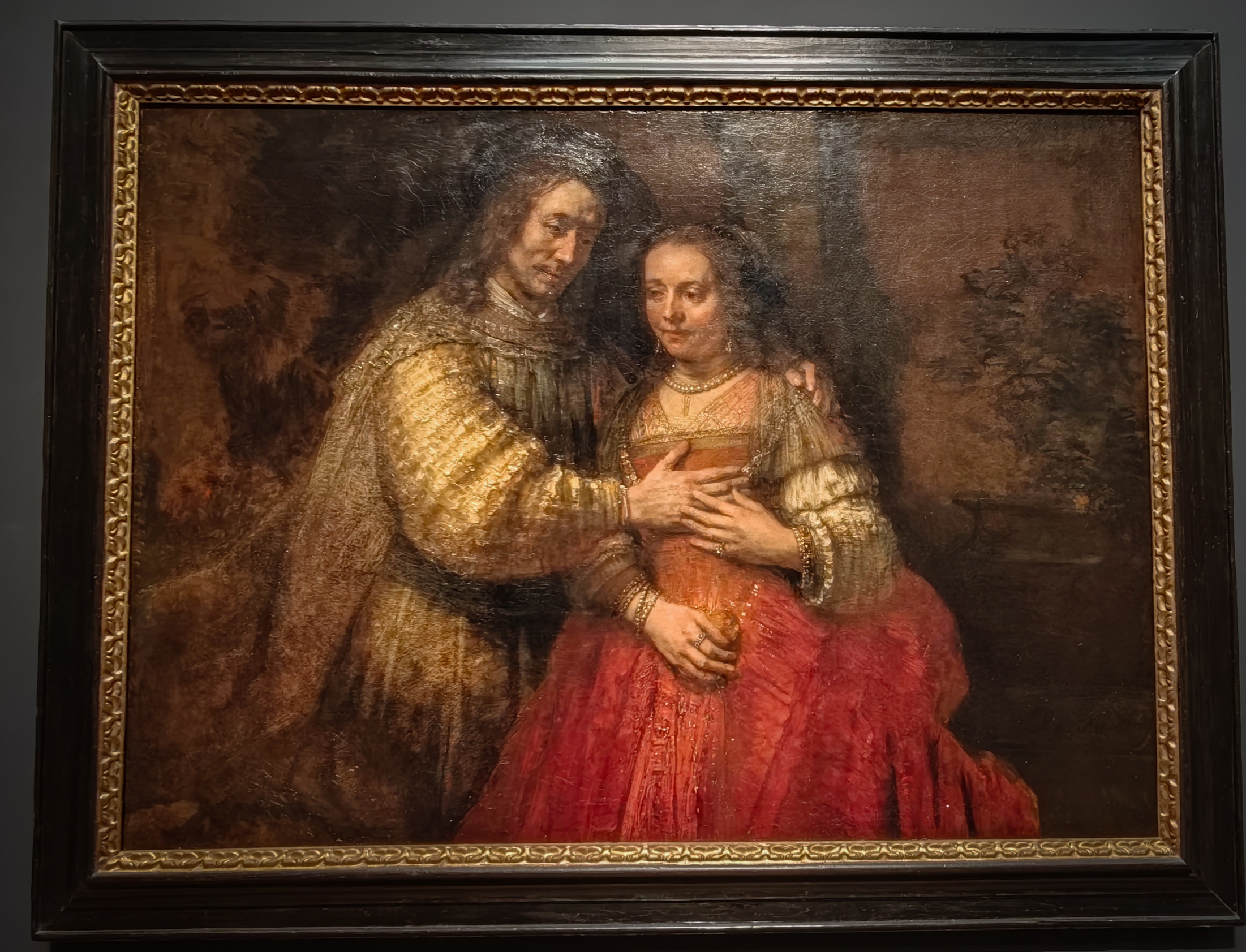
- Rembrandt van Rijn (Rijksmuseum): The master of chiaroscuro, who captured human vulnerability with unprecedented emotional depth, died broke, destitute, and forgotten. He was buried in a rented, unmarked grave—his burial site eventually dug up and destroyed according to local custom for the poor.
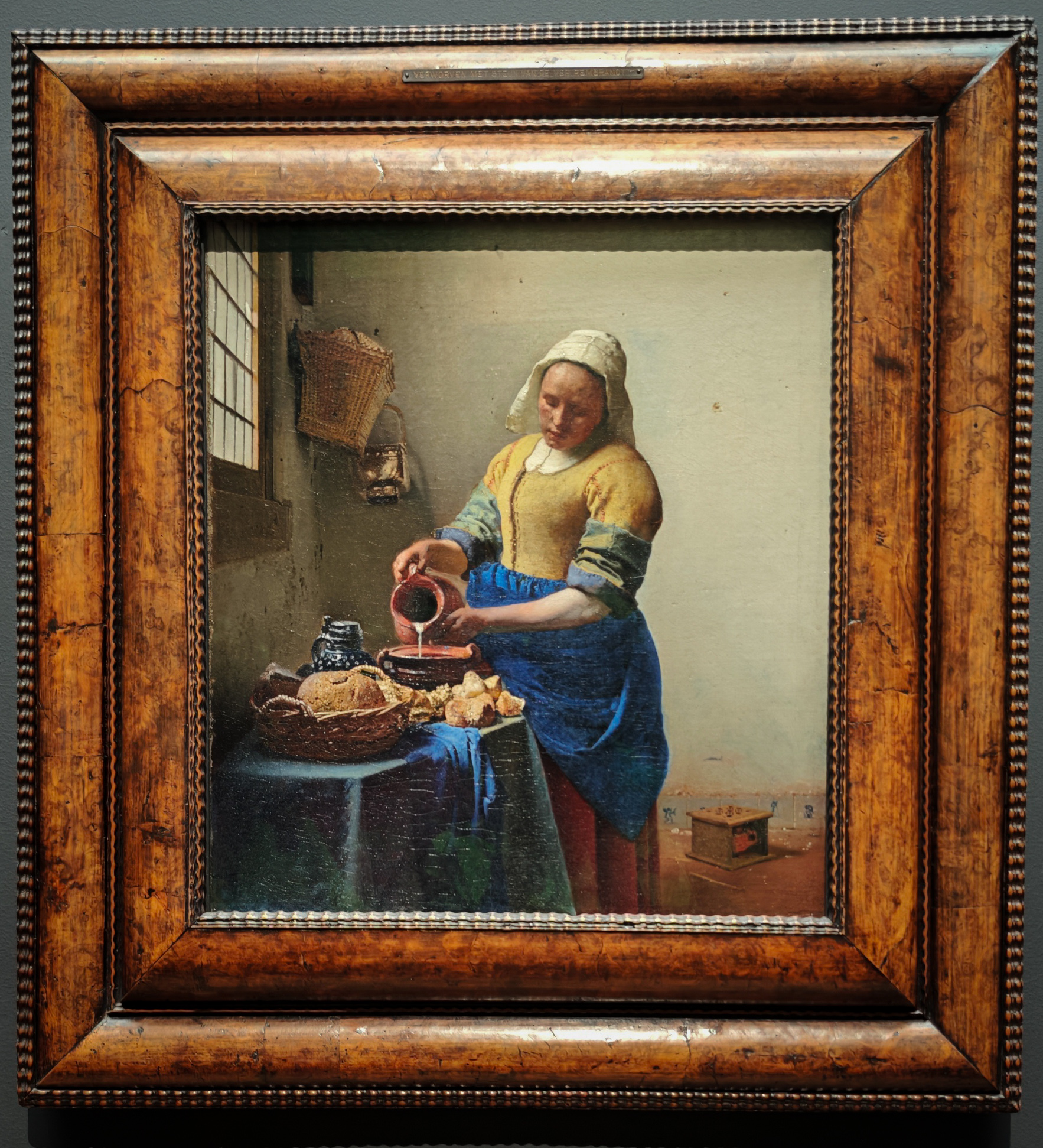
- Johannes Vermeer (Rijksmuseum): The wizard of domestic stillness and quiet light died suddenly at just 43, crushed by crushing debt during an economic collapse. His widow later wrote that the severe financial ruin and relentless stress literally destroyed his health, taking his life and leaving his family destitute.
- Vincent van Gogh (Van Gogh Museum): A soul tormented by severe mental illness, isolation, and unyielding poverty. He sold a single painting during his lifetime, lived in misery for much of his brief existence, and ended his own life believing himself a total failure.
- Anne Frank (Anne Frank House): A bright young girl forced to spend over two years behind a hidden bookshelf—living in quiet terror, deprived of sunlight, fresh air, and freedom—only to be discovered and die of typhus in the Bergen-Belsen concentration camp at just fifteen.
Today, Rembrandt, Vermeer, and Van Gogh’s canvases are worth hundreds of millions of dollars, guarded like national treasures. Anne Frank’s diary has been read by tens of millions in over seventy languages, shaping humanity’s collective moral conscience.
Yet none of them knew it. None of them received the warmth, appreciation, or security their work eventually created.
The Illusion of “Fruits”
Standing before The Night Watch, gazing into Vermeer’s The Milkmaid, looking into Van Gogh’s swirling brushstrokes, or staring at the narrow walls of the Secret Annex, you are left in awe and deeply pained at the same time. It forces an existential question: Does legacy actually matter if you are not there to experience it?
We live in a culture obsessed with recognition, outcomes, and the immediate fruits of our labor. We seek validation in real-time. But Amsterdam’s museums offer a stark reminder that the universe does not promise a clean alignment between effort and reward.
Perhaps the deeper lesson lies in why they created.
None of these four worked for future renown. Rembrandt painted because he could not stop probing the human soul through light and shadow. Vermeer meticulously spent months on single canvases, capturing the quiet serenity of light hitting a wall, despite knowing it wouldn’t pay his debts. Van Gogh painted feverishly—completing over 900 canvases in a single decade—because art was his only language for enduring an overwhelming world. Anne wrote in her red-checkered notebook not for posthumous fame, but to process her internal world and keep her humanity alive in the dark.
They gave their all to one singular channel: painting and writing. In doing so, they lost themselves entirely in the process. What emerged was something beyond ego, talent, or technique—it was a voice of the soul, rendered raw and uncensored.
The Present as the Only Masterpiece
Perhaps their lives teach us that true excellence is not an investment strategy for future glory, but a practice of total presence.
They lived in the immediate act of creation. They pursued depth for its own sake, anchoring themselves to their work when the outer world offered no comfort. The fact that their work became legendary is simply the long-delayed consequence of that uncompromising honesty.
No other museums in the world leave quite this kind of mark. Amsterdam does not just show you greatness; it asks you to hold the beauty of human expression alongside the immense tragedy of human suffering. It reminds us that while we cannot control whether the world rewards us tomorrow, we can choose to pour our whole soul into what we create today.
A Silent Rendezvous
Inside the halls of the Rijksmuseum and the Van Gogh Museum, the world quieted down. The air felt heavy with centuries of unspoken weight, holding moments where human souls bled onto canvas—transcending ego, skill, and time itself.
(At the Anne Frank House, camera lenses were forbidden—a fitting boundary. Some meetings with history demand no lens between your heart and the void, only total presence.)
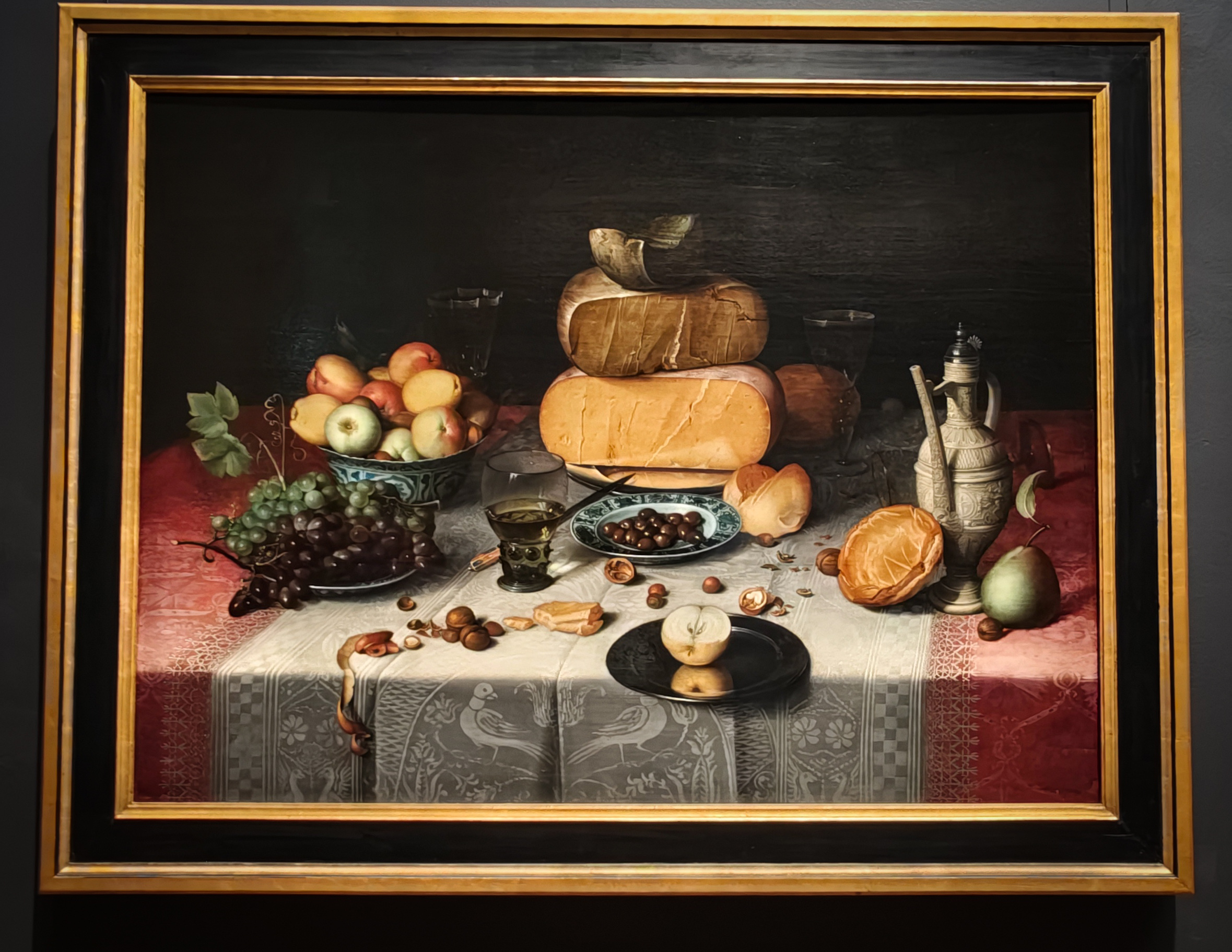
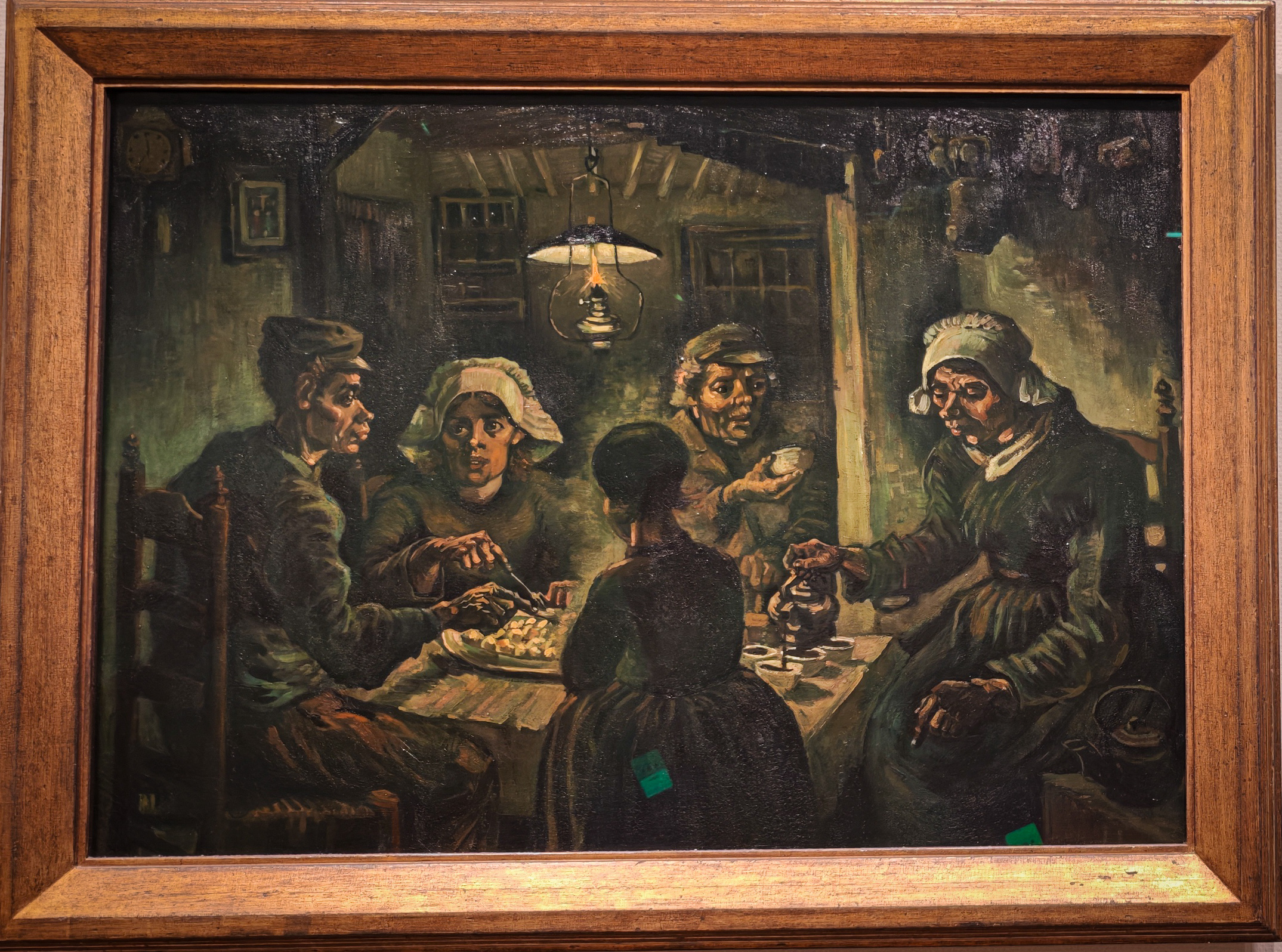
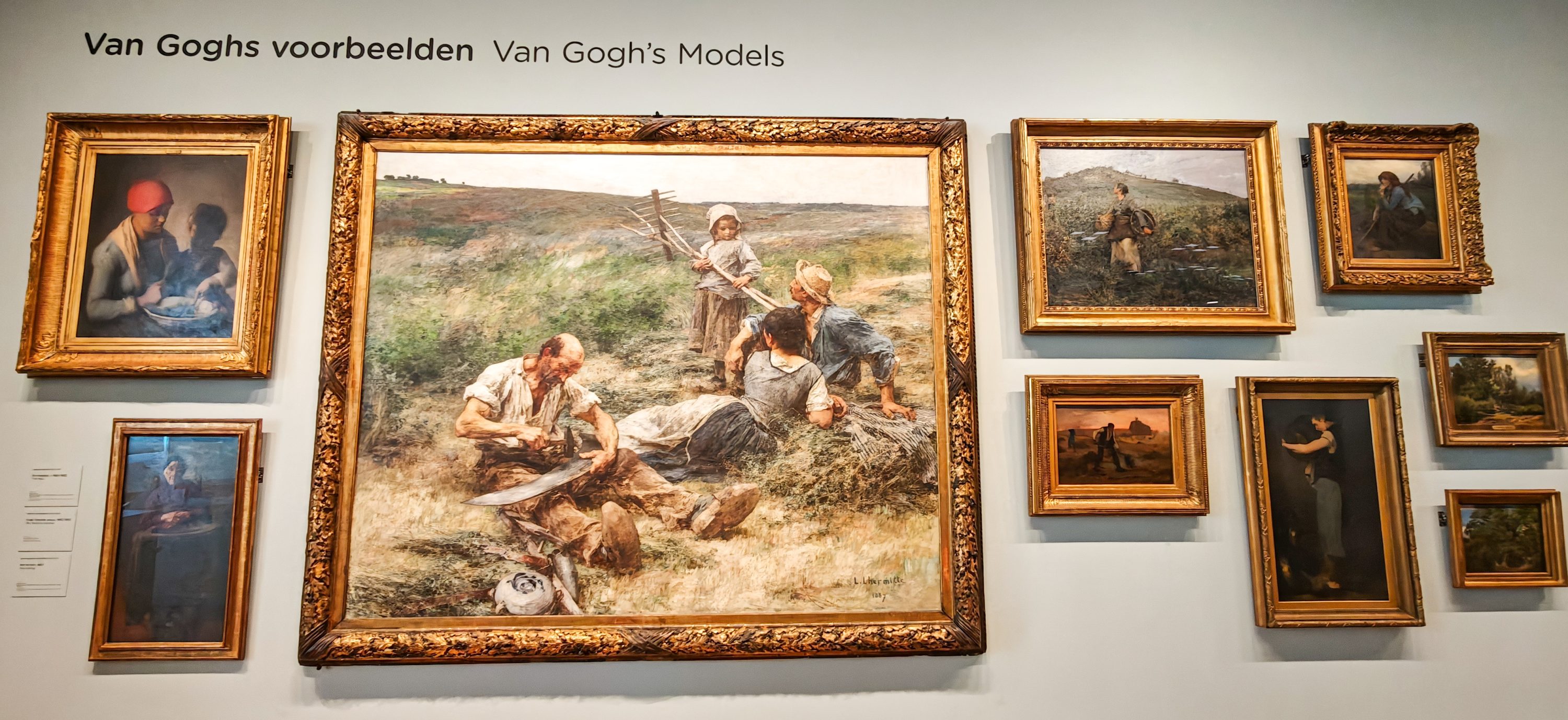
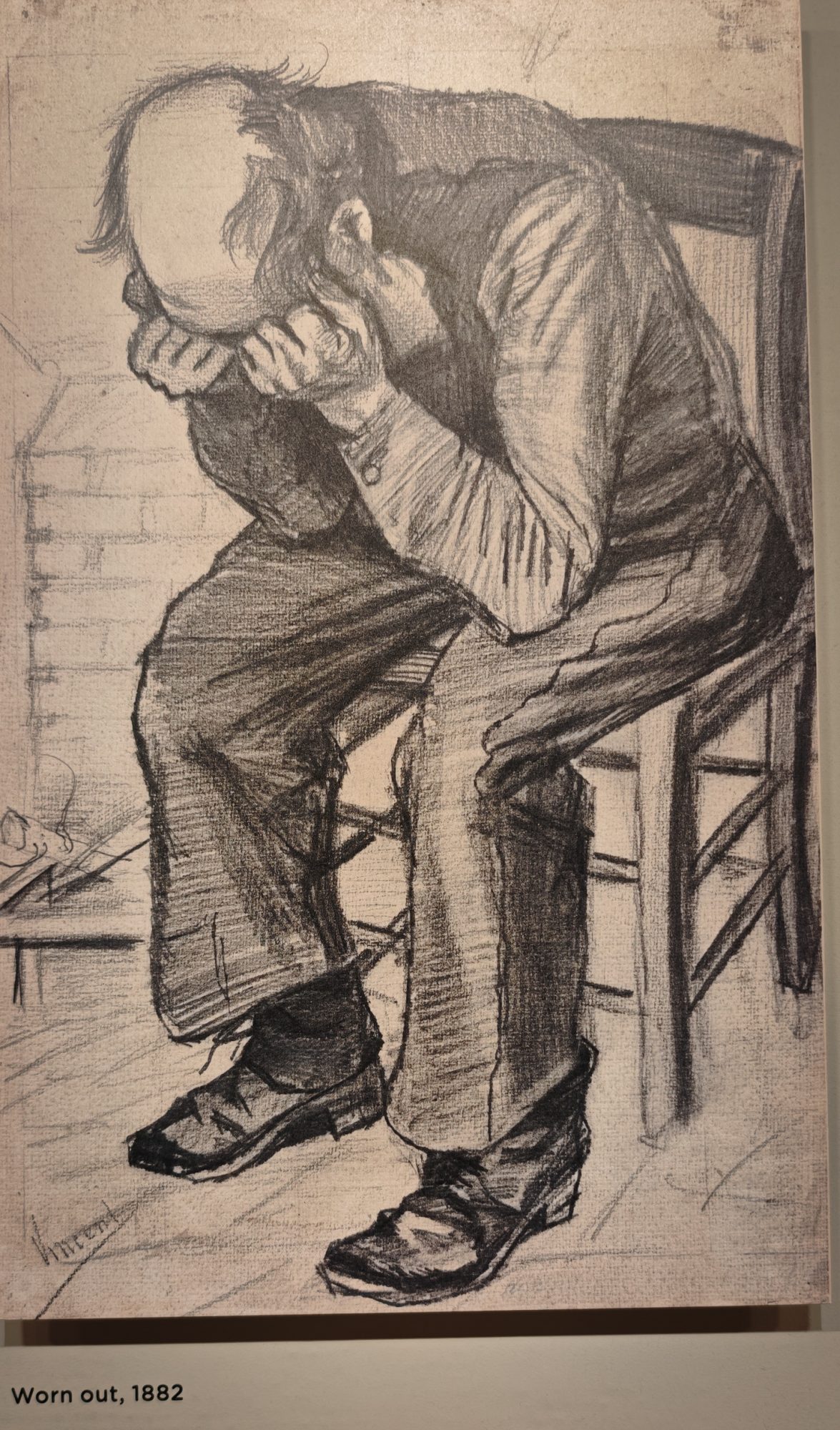
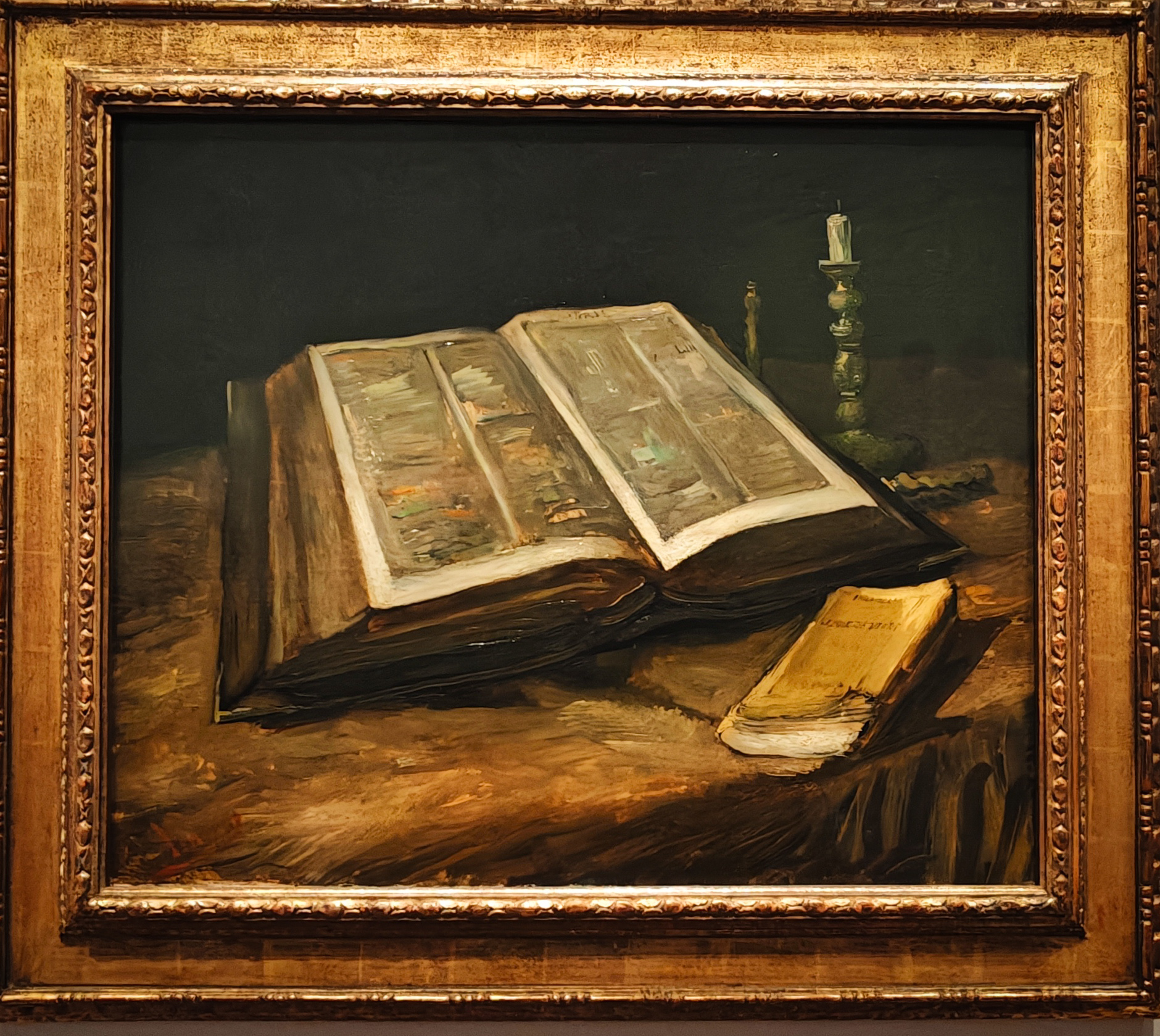
Here is a visual quietude: a private encounter between the viewer and the masterpiece. No captions, no historical analysis, no explanations. Just light, shadow, and the eternal raw voice of the soul.
Rijksmuseum Art
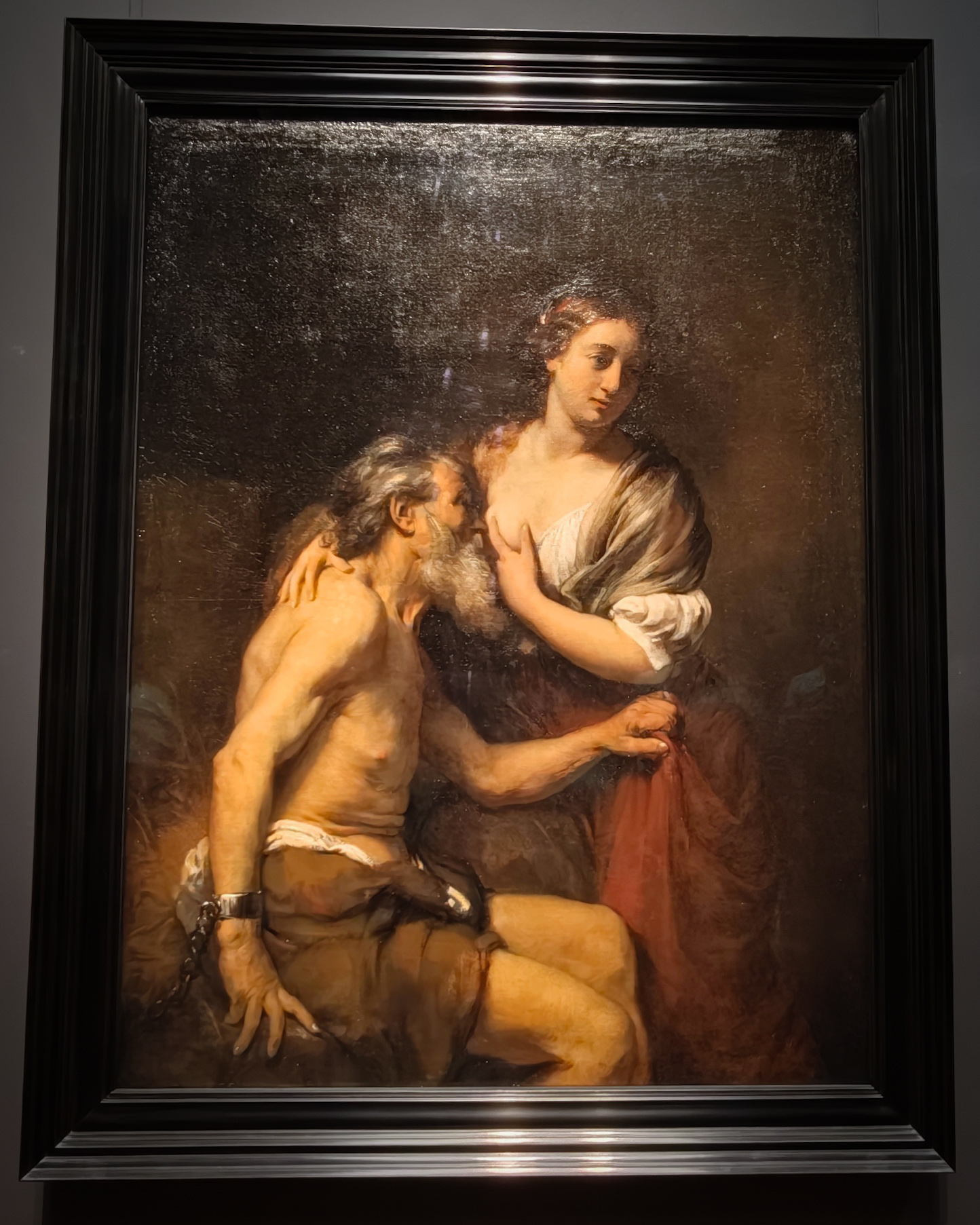
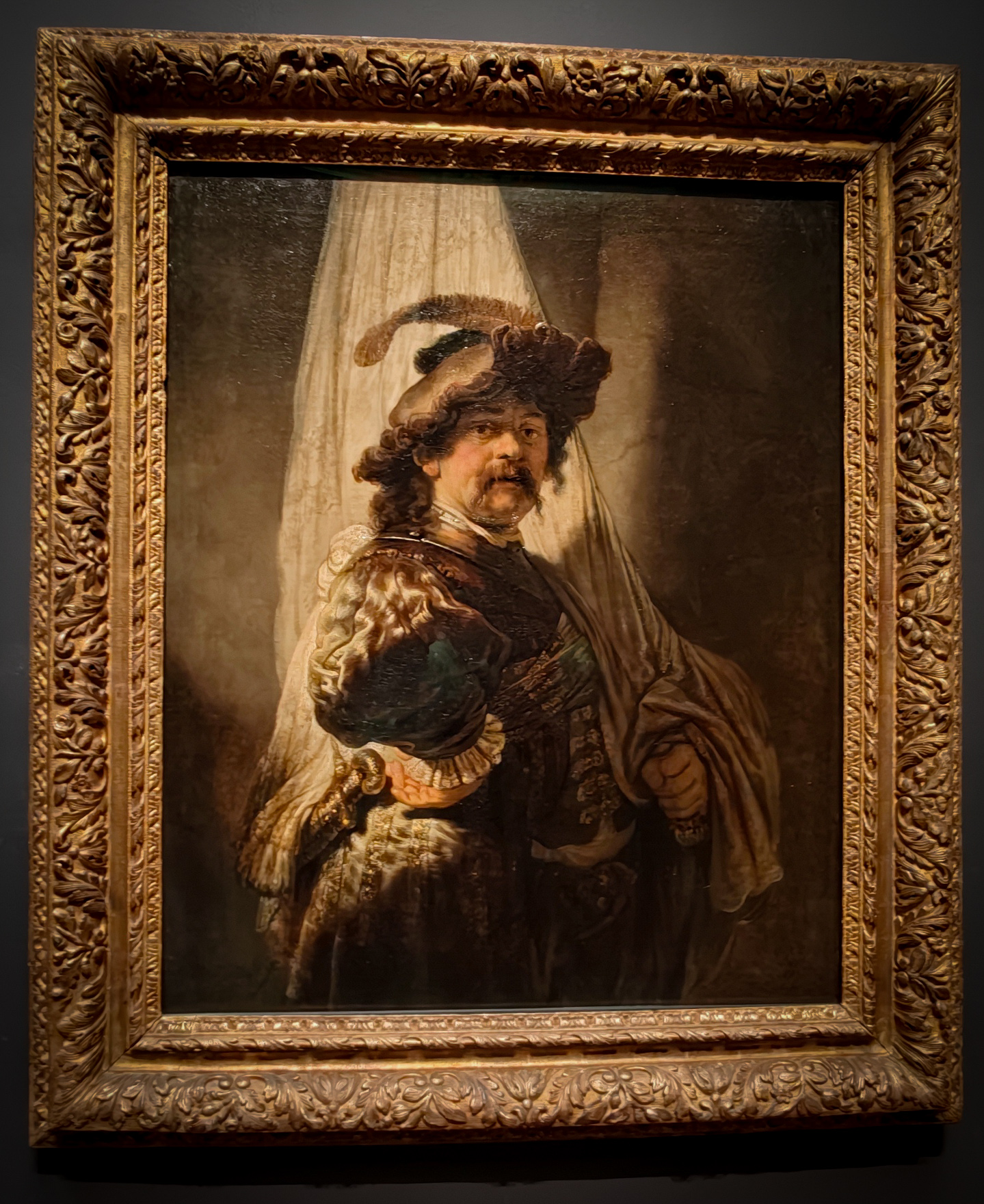
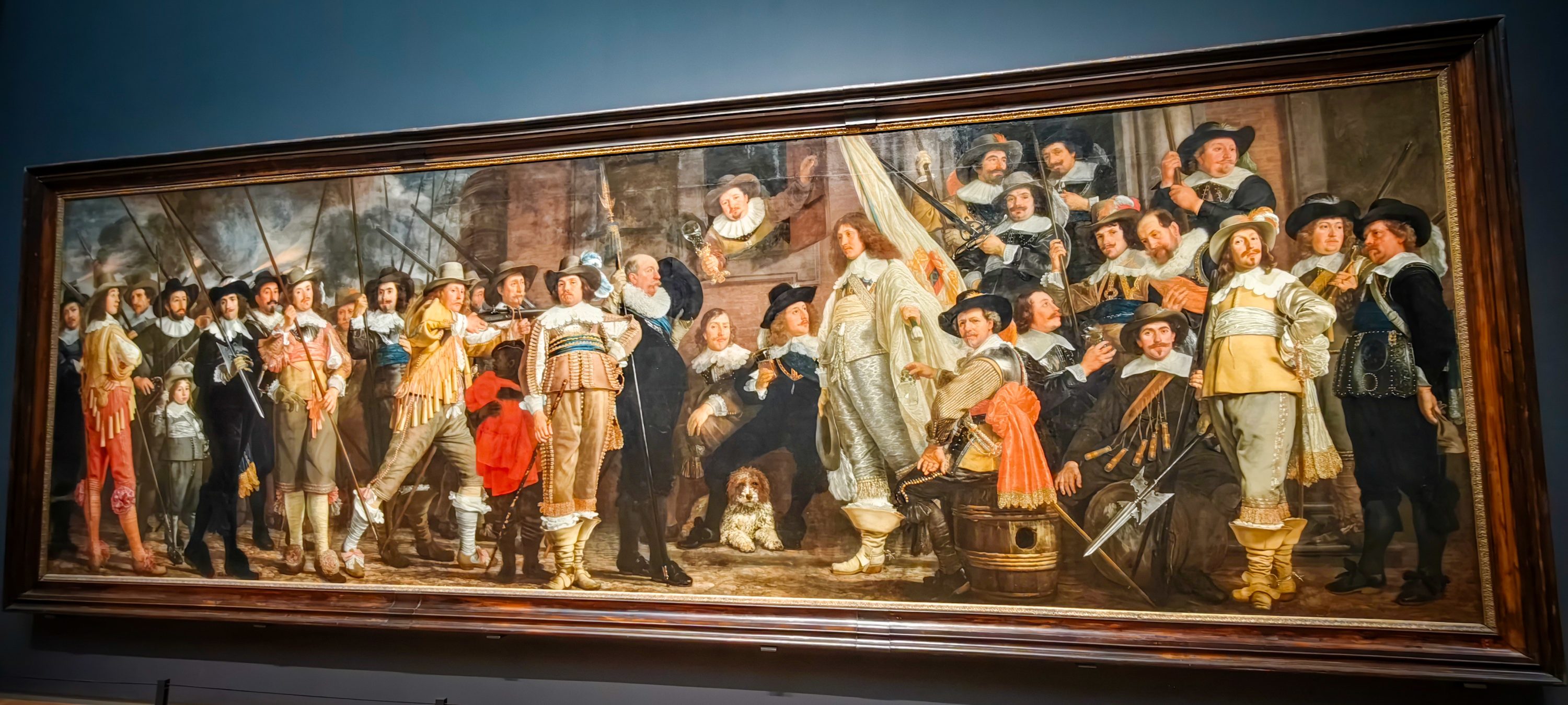
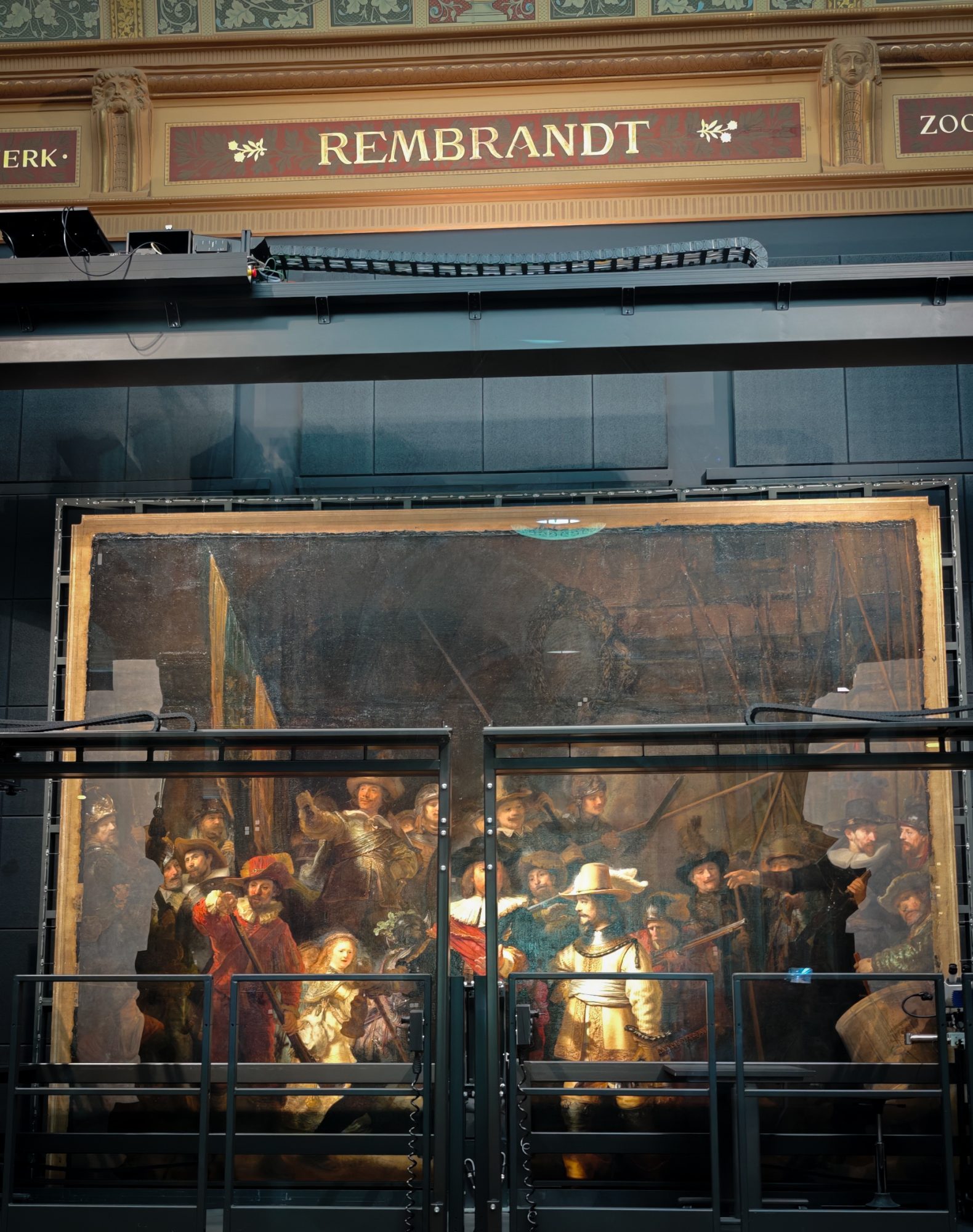
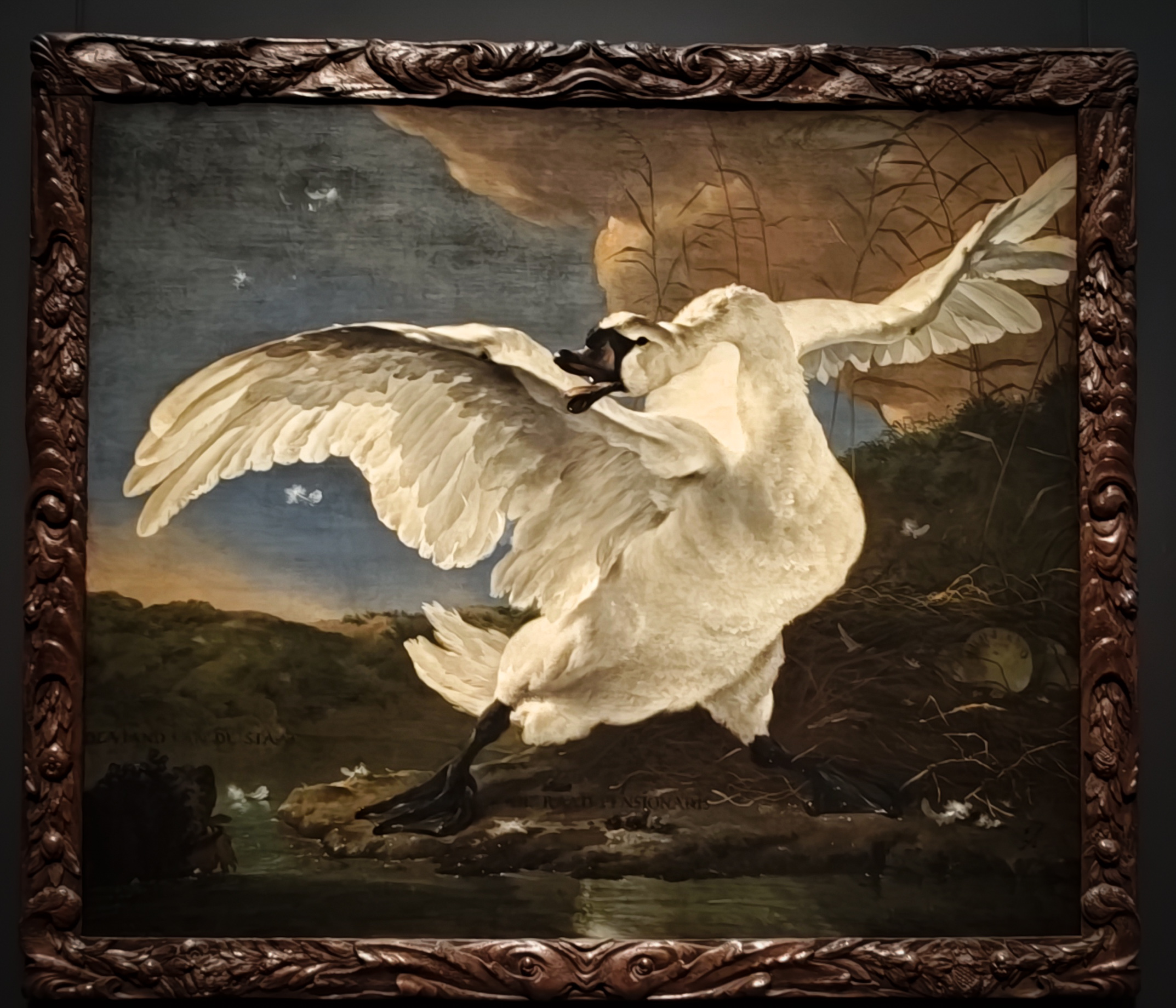
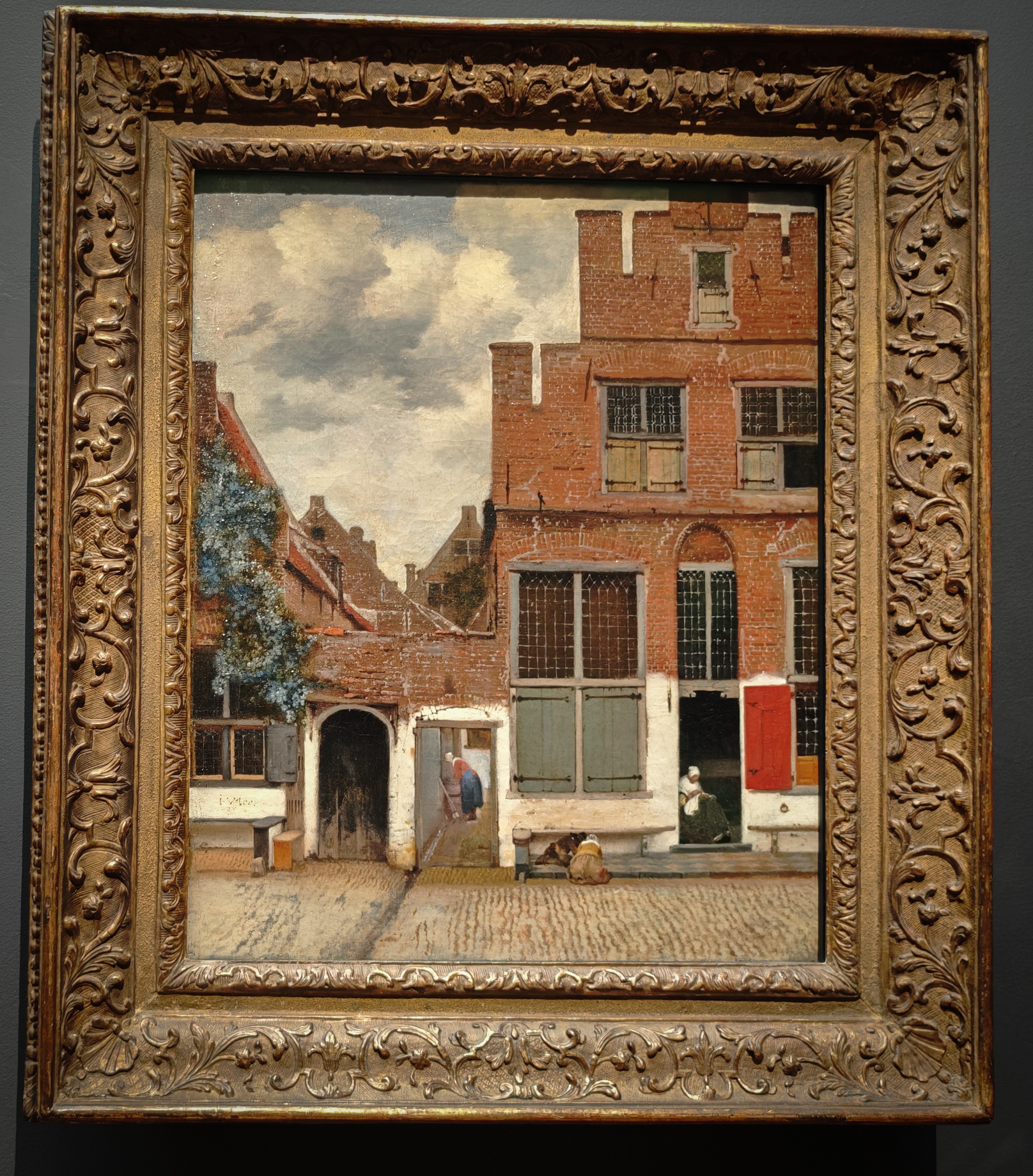
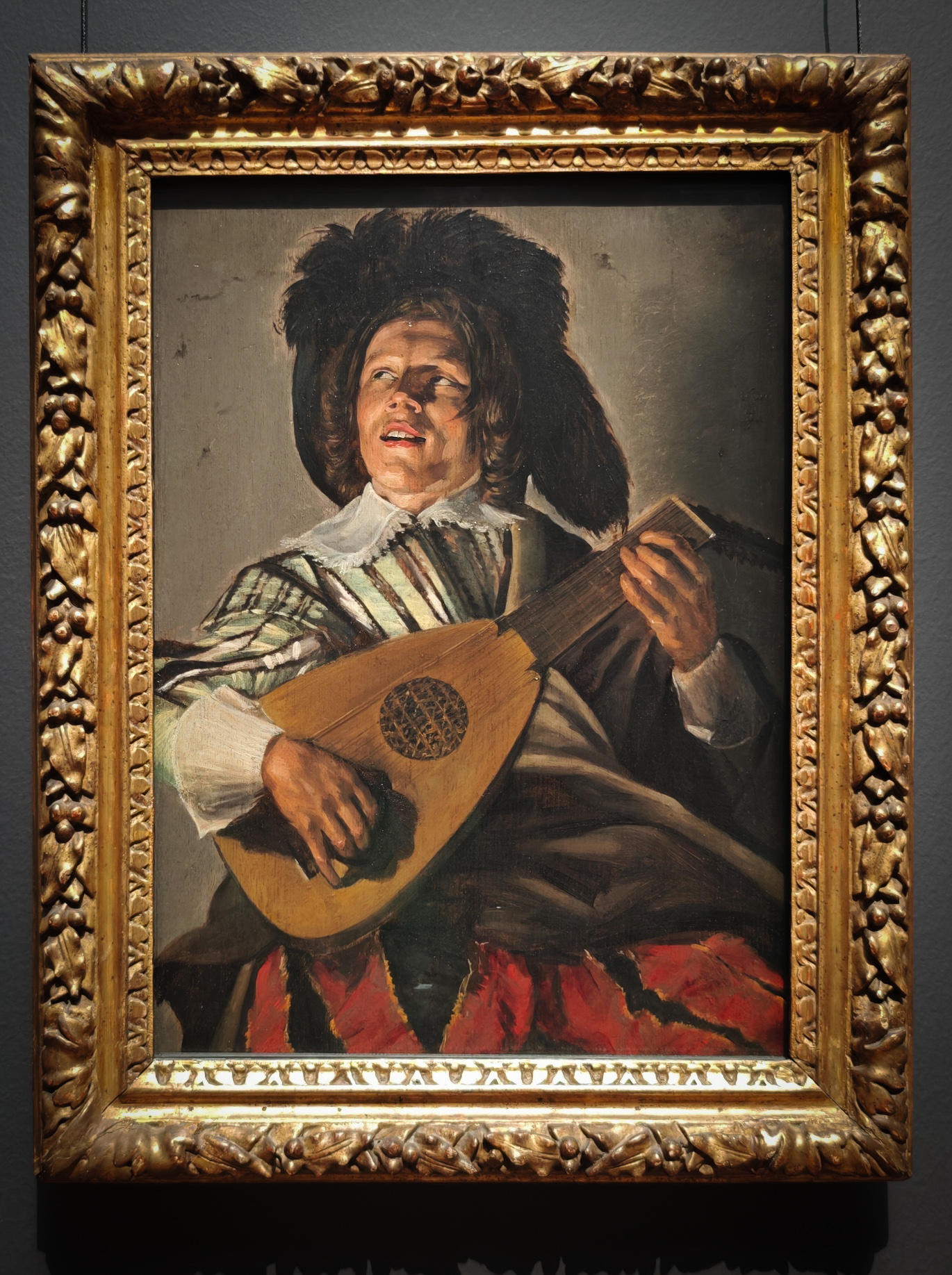
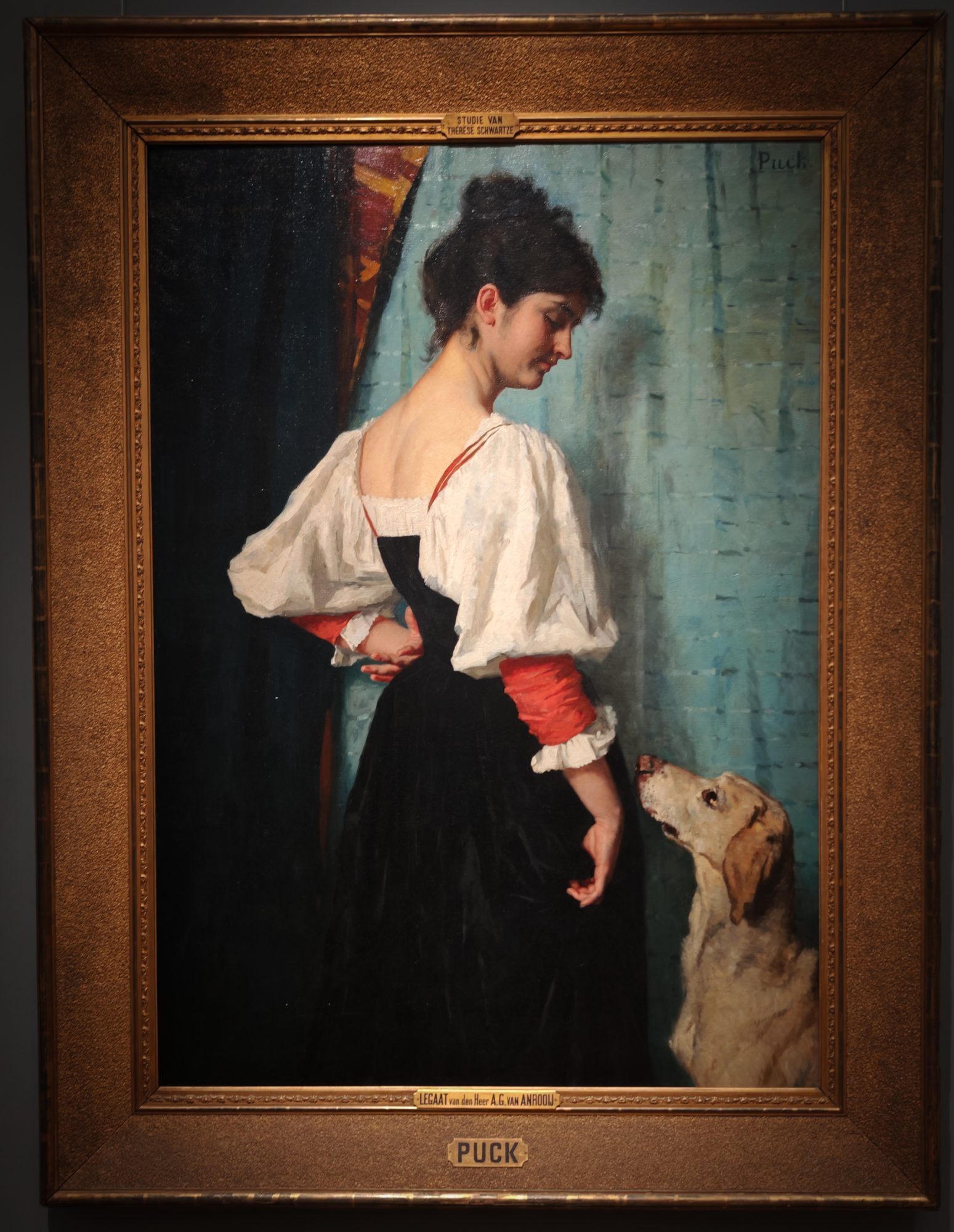
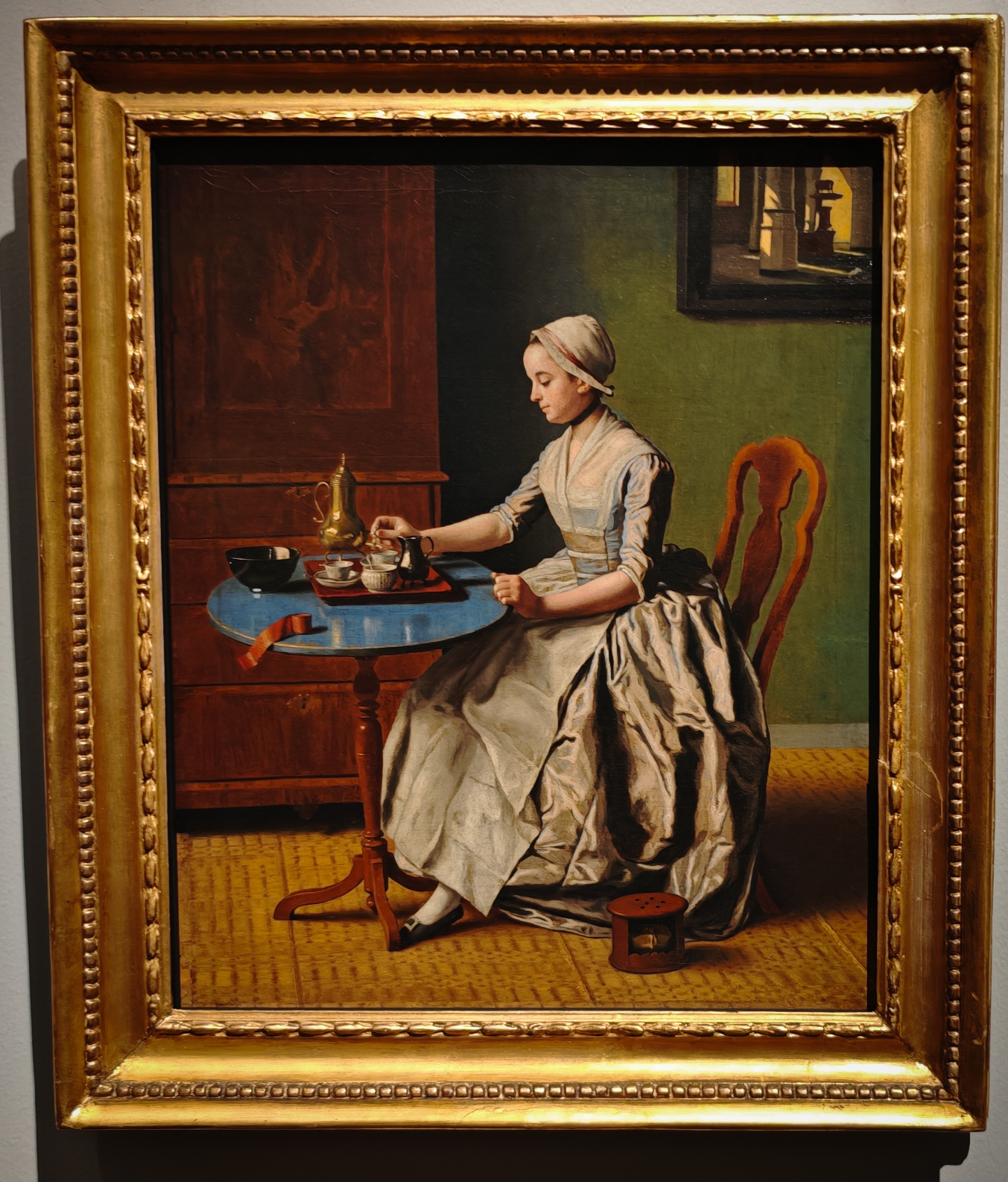
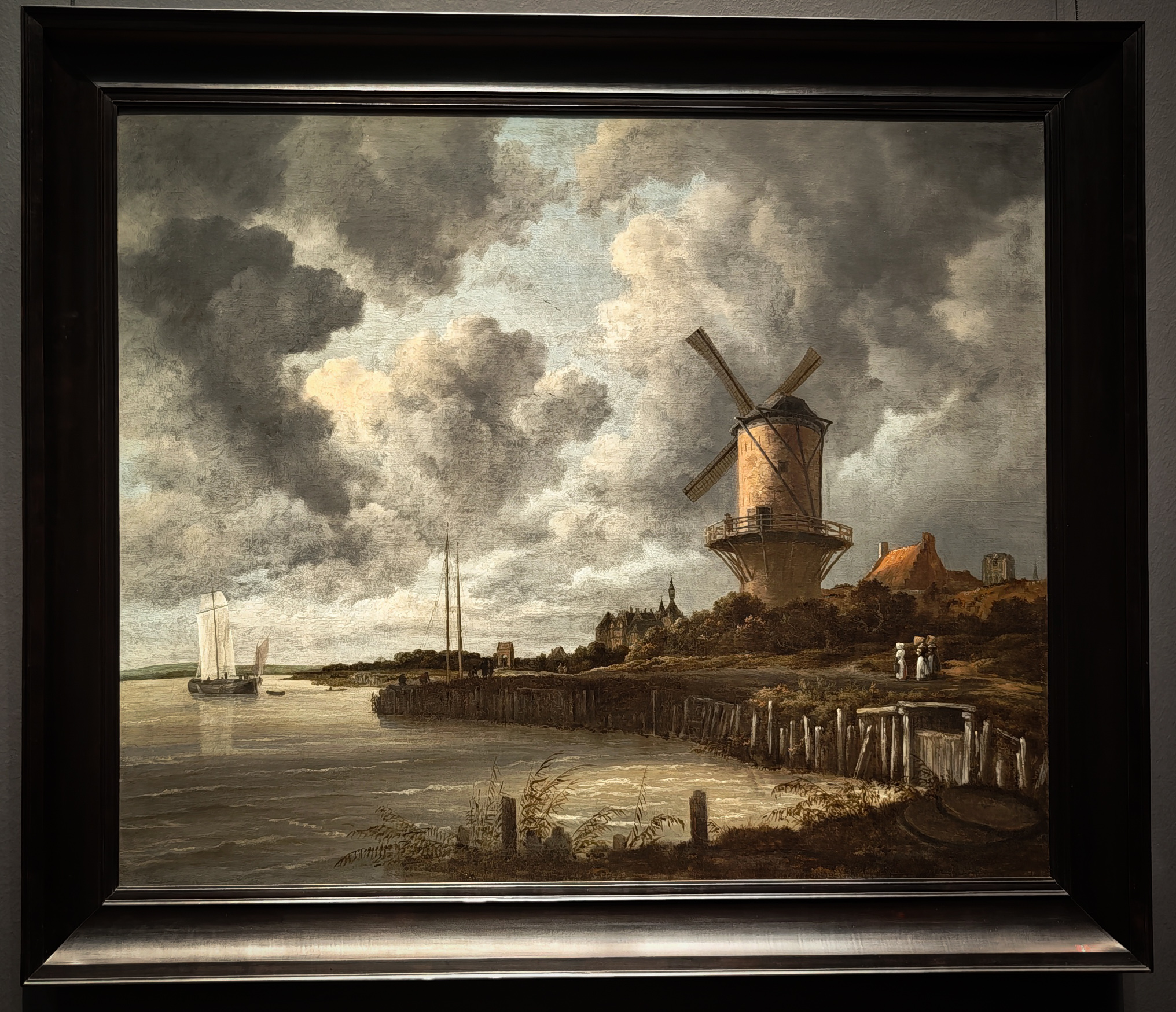
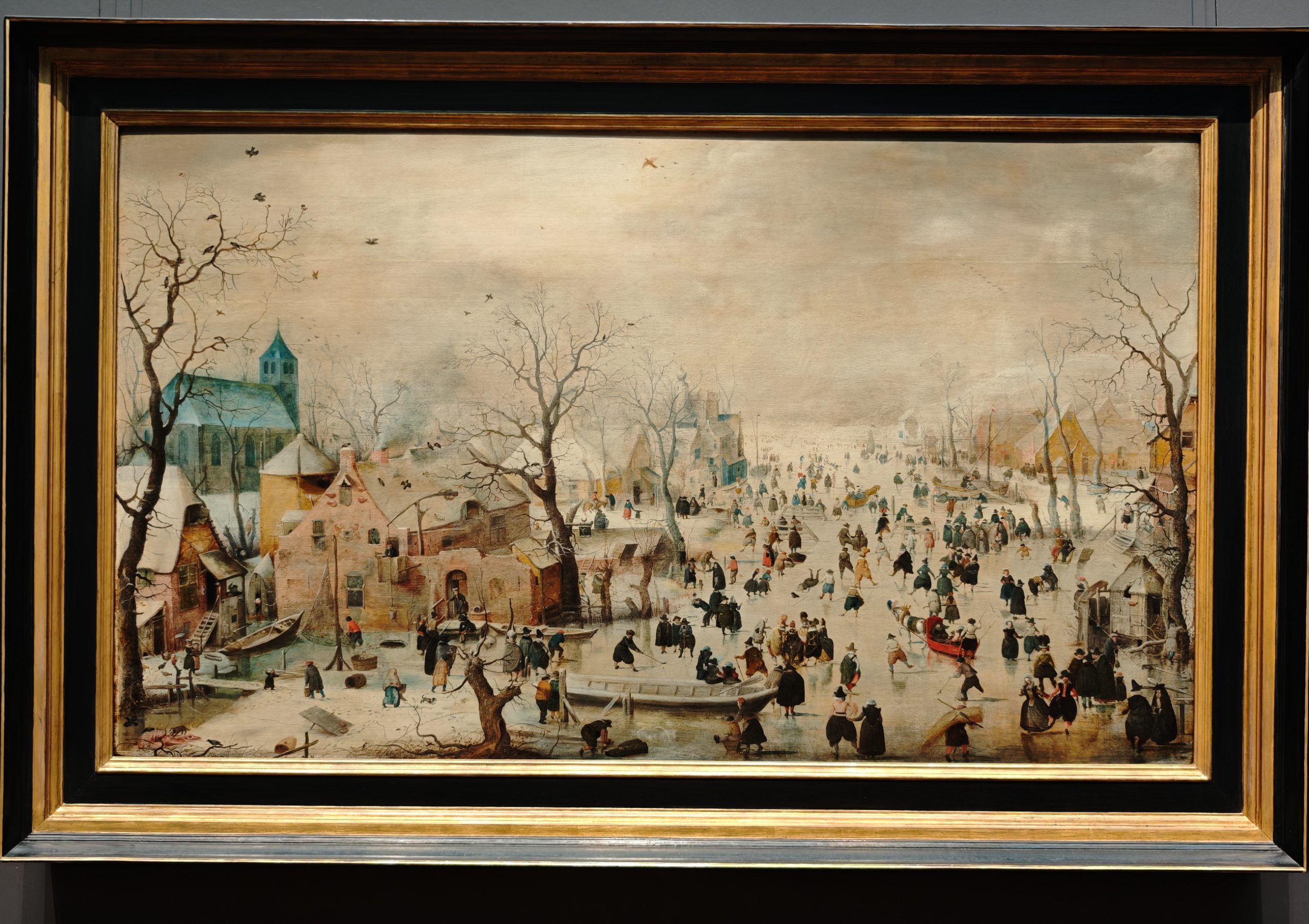
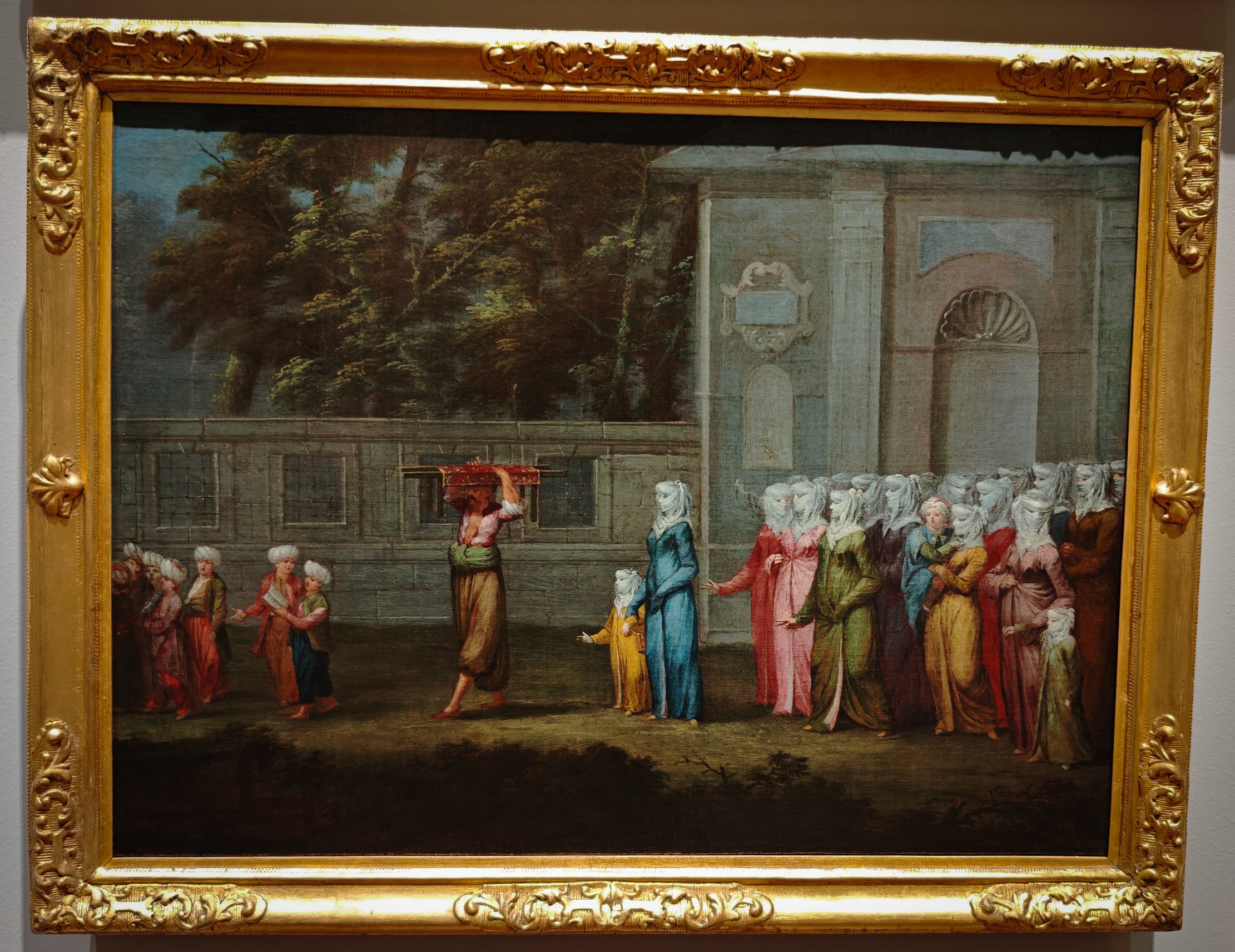
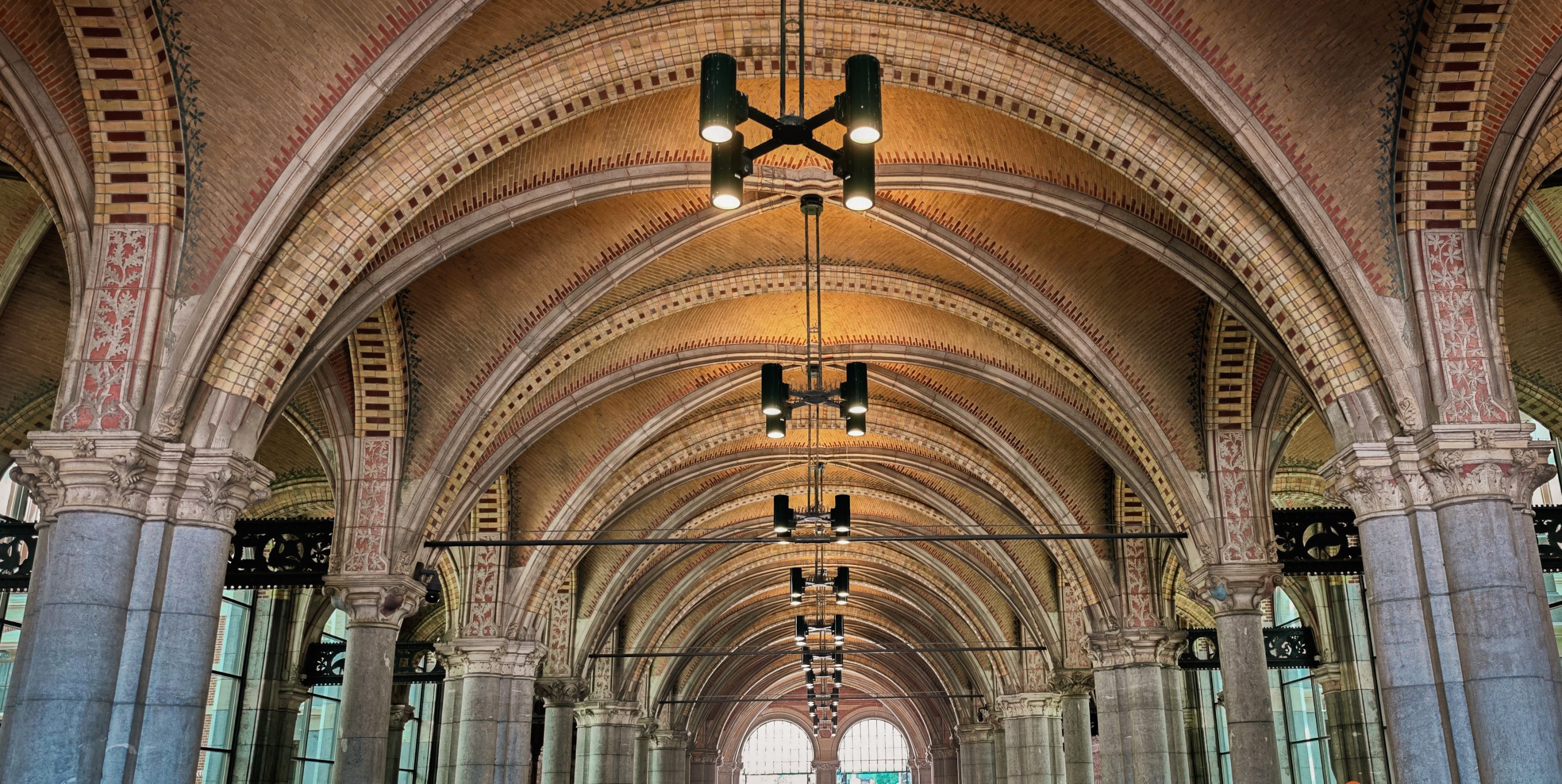
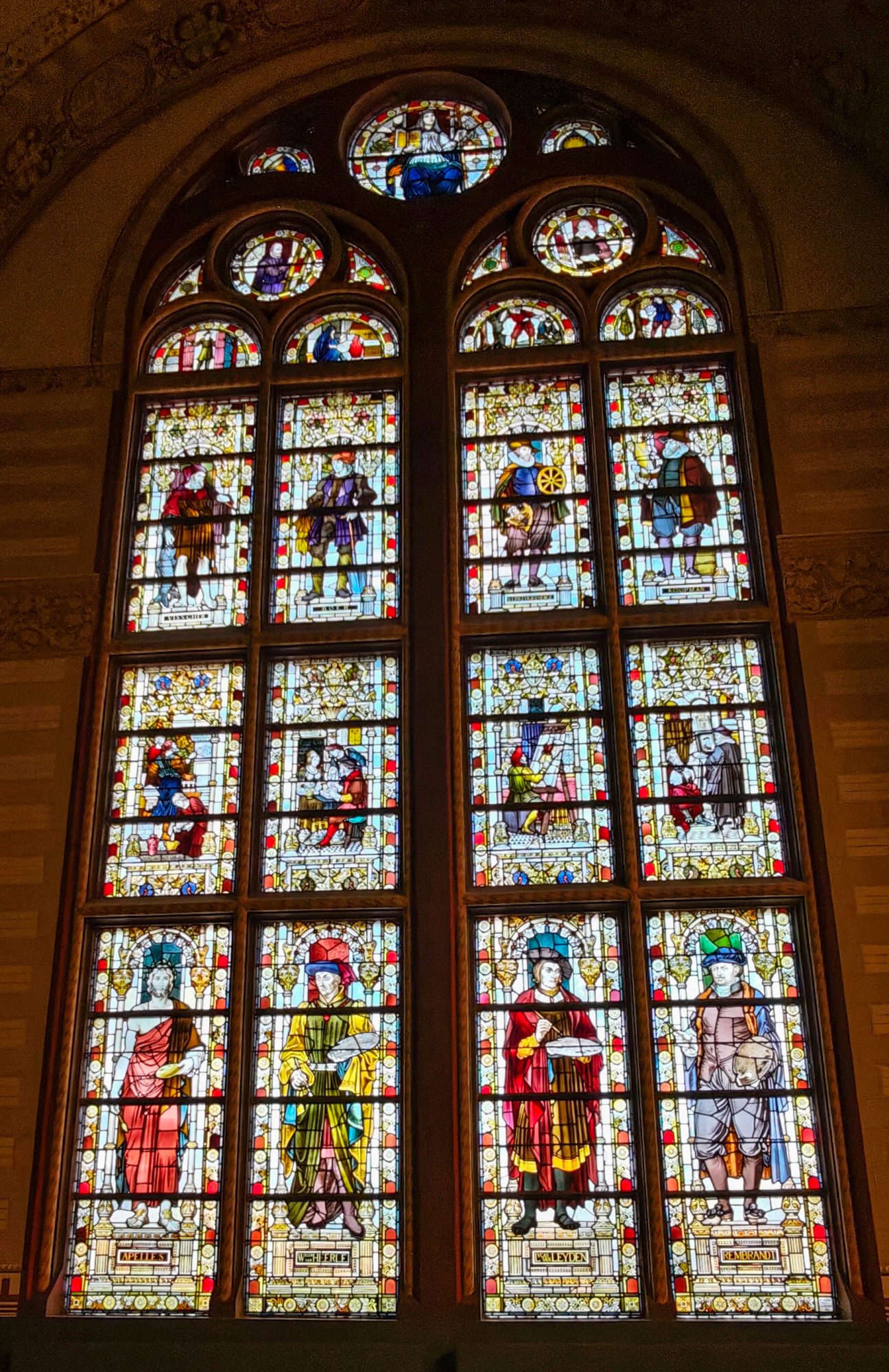
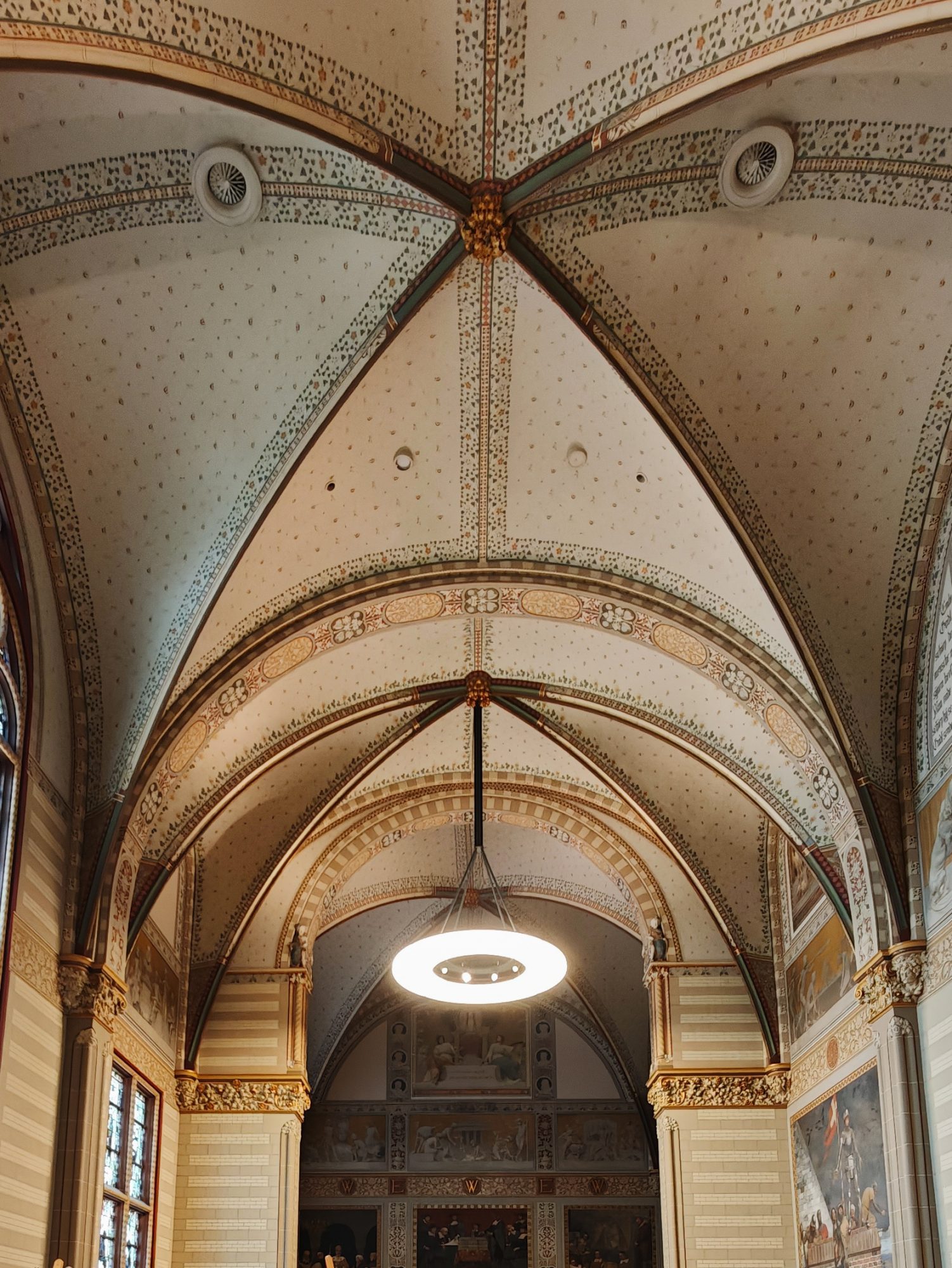
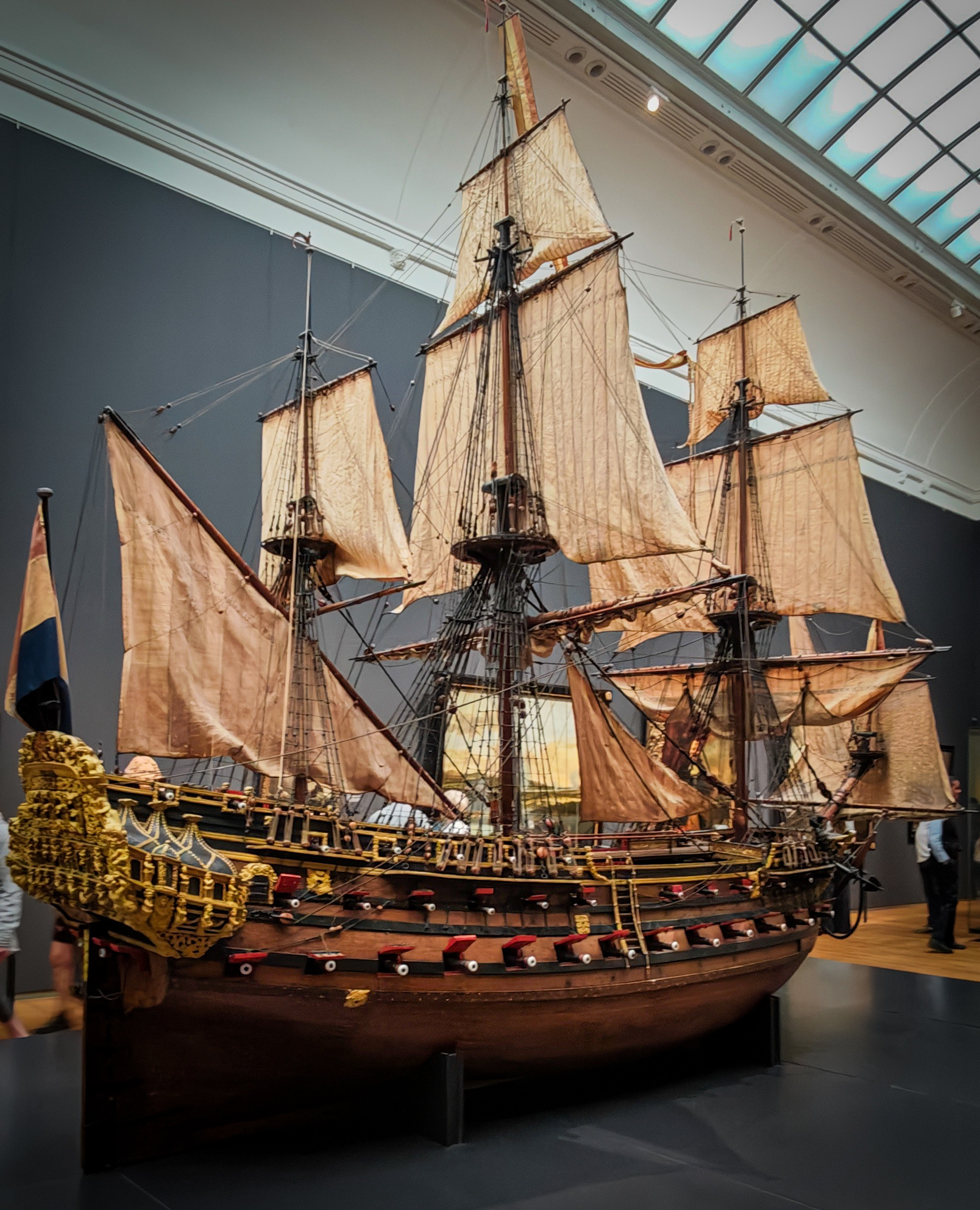
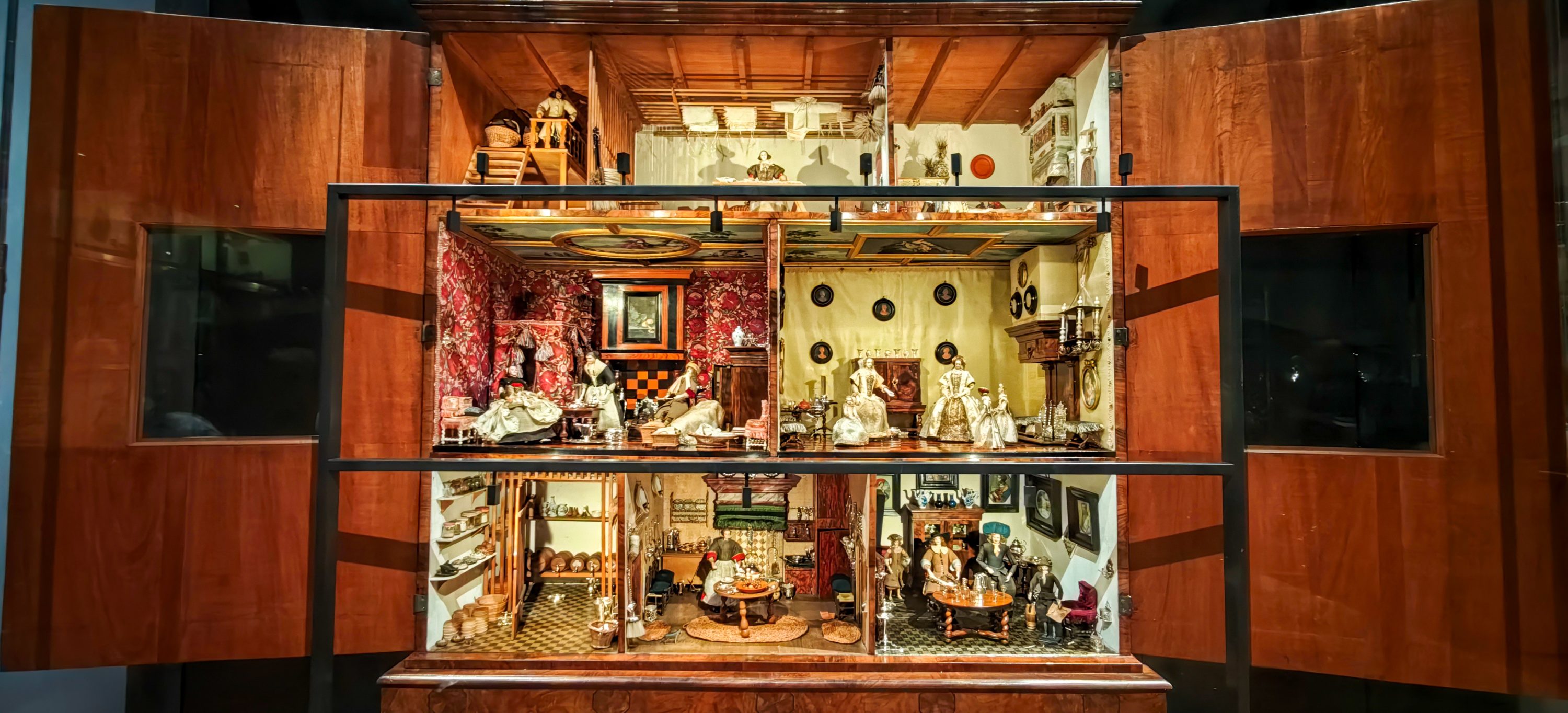
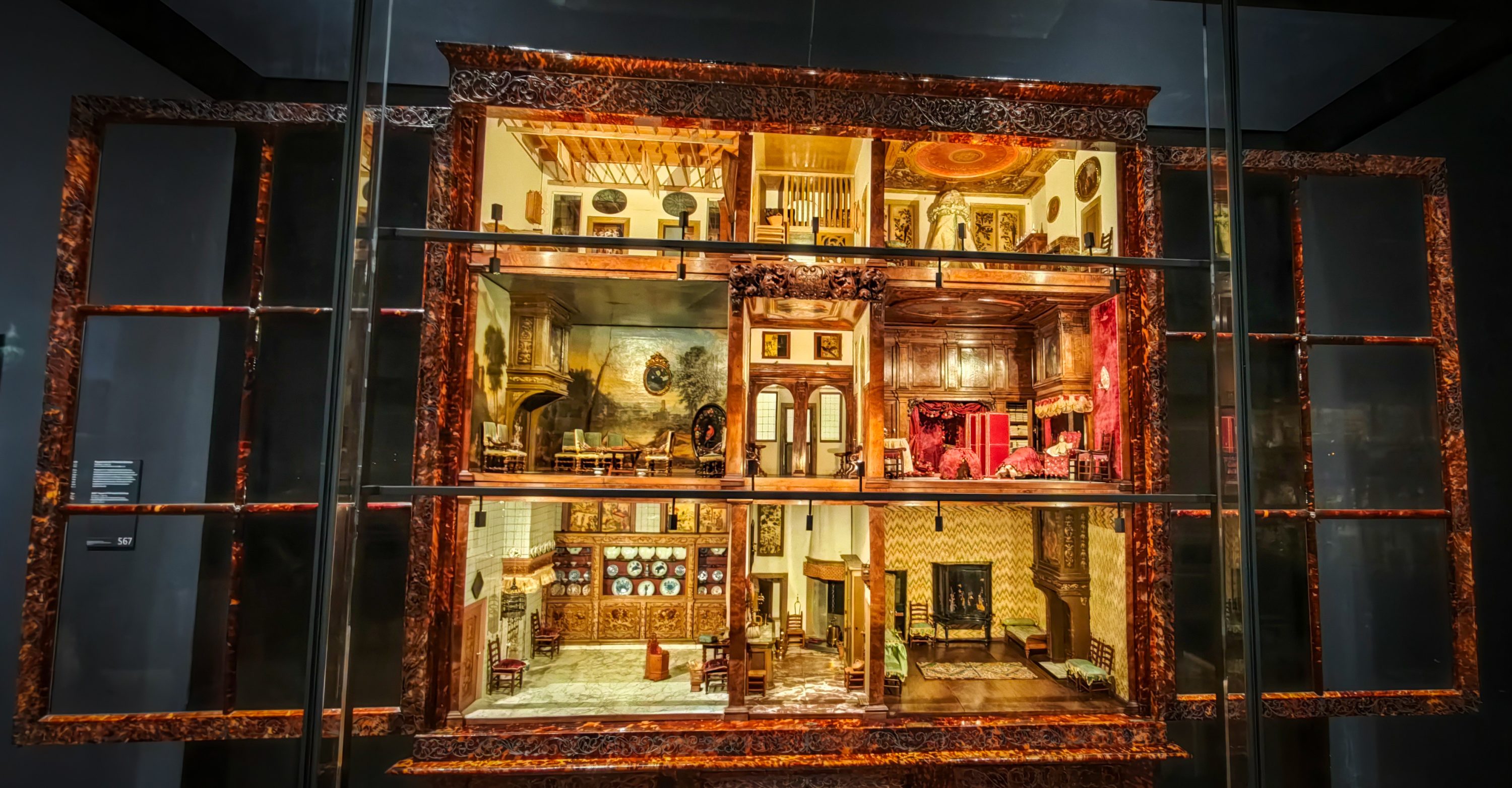
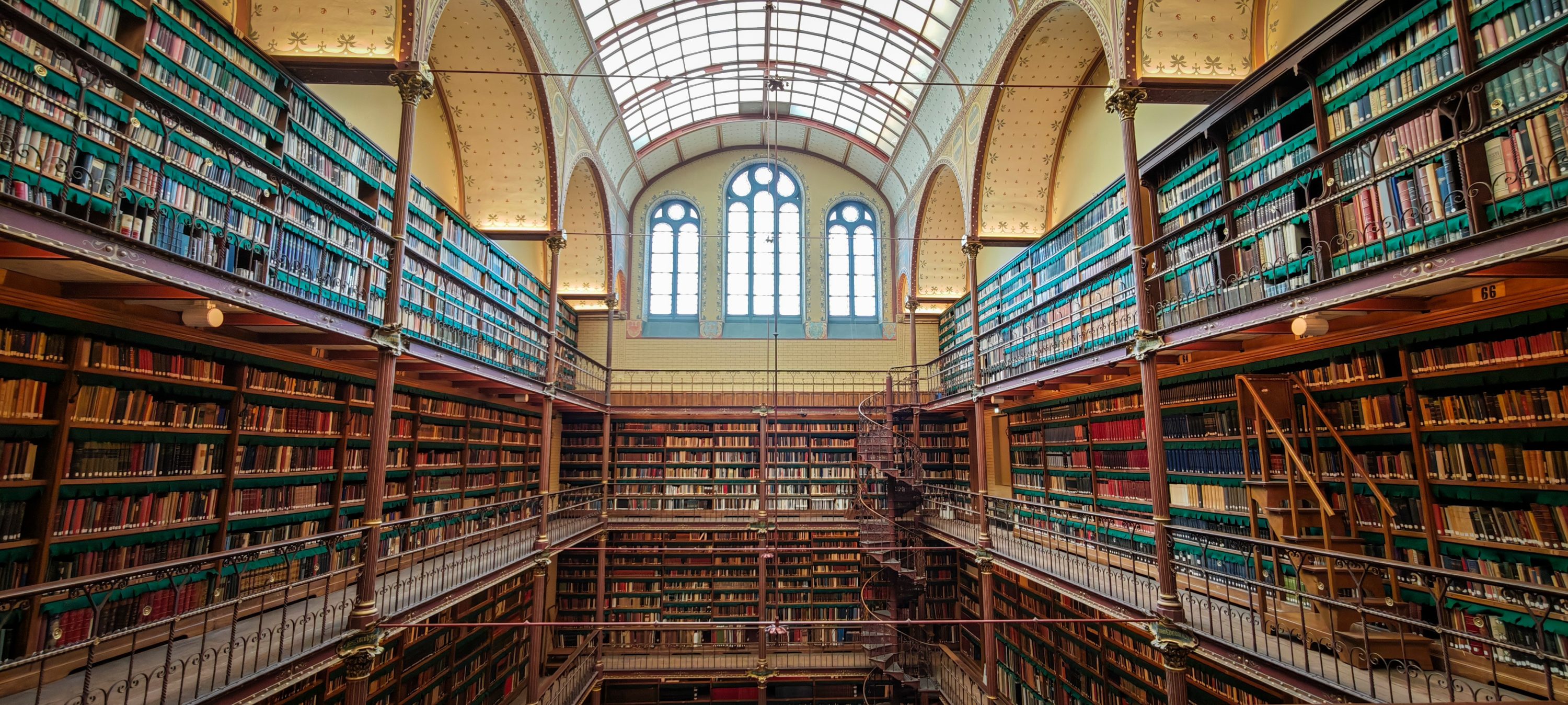
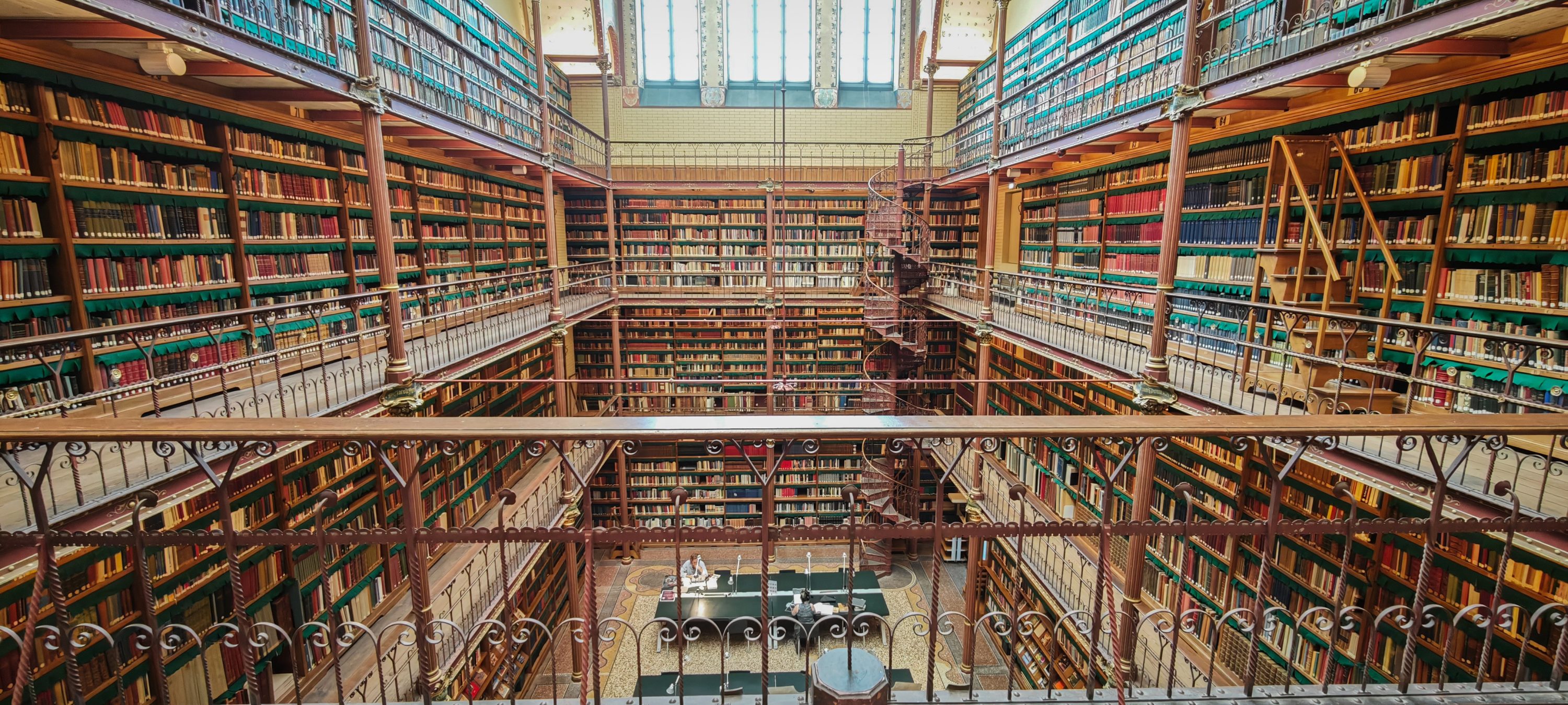
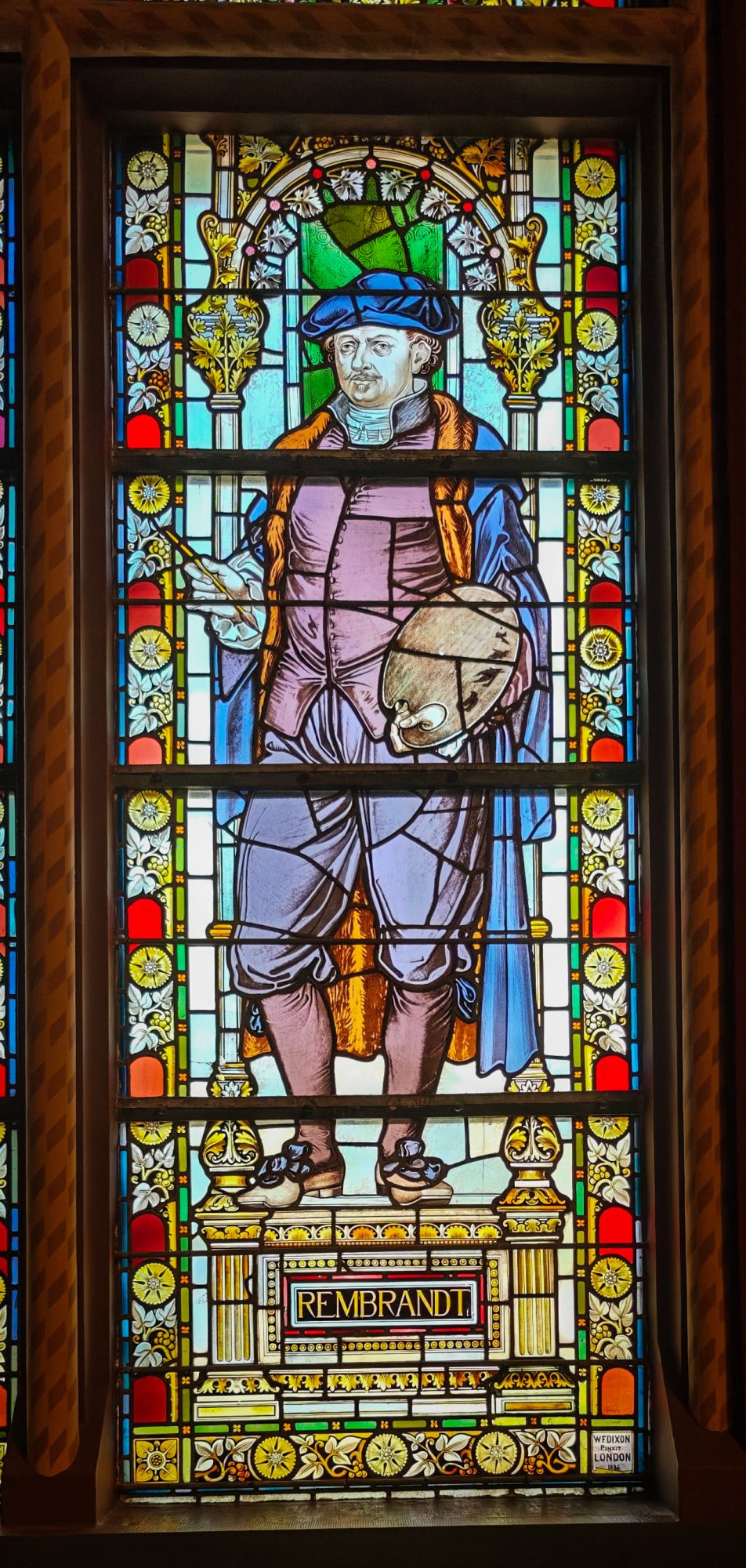
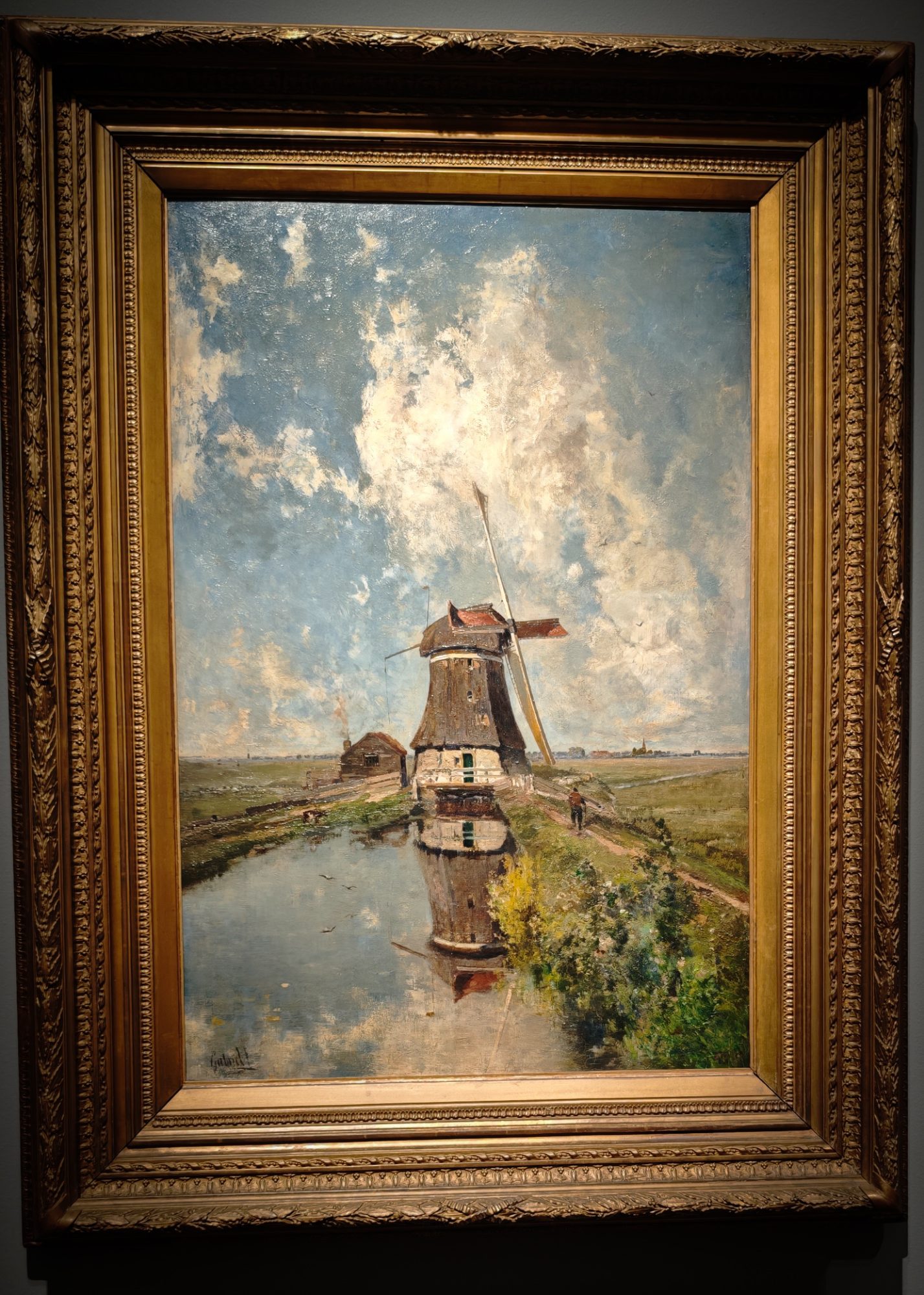
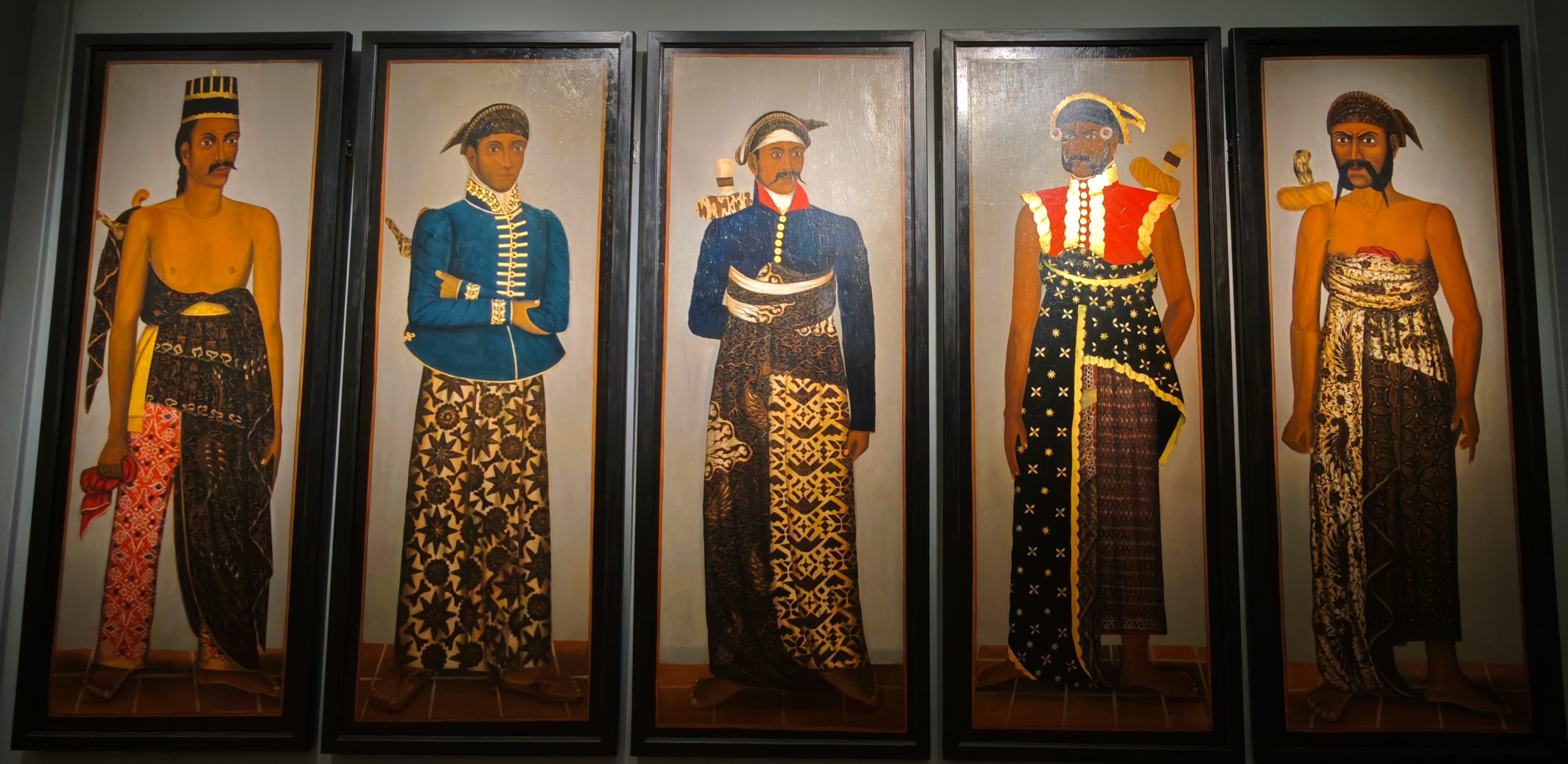
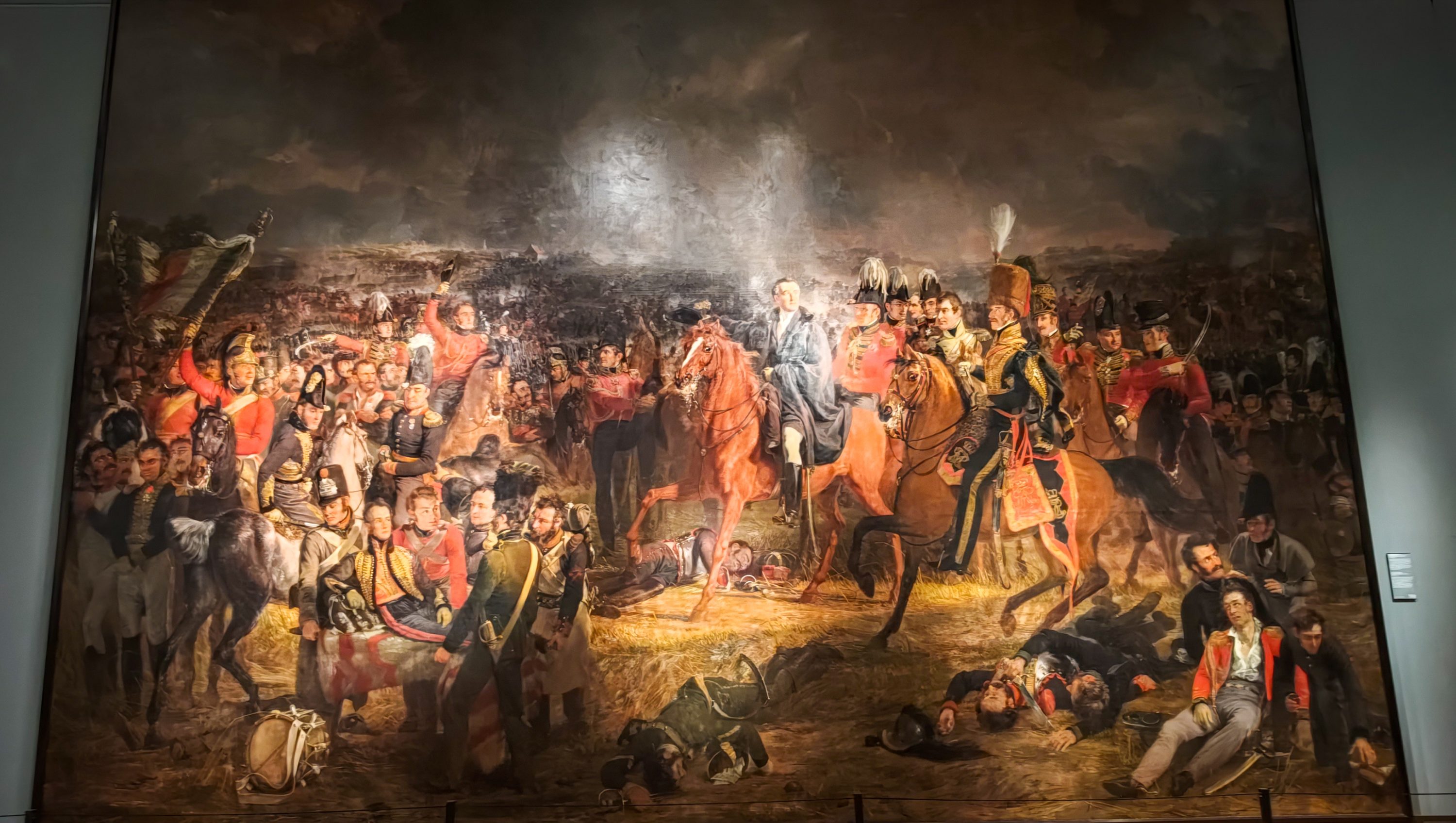
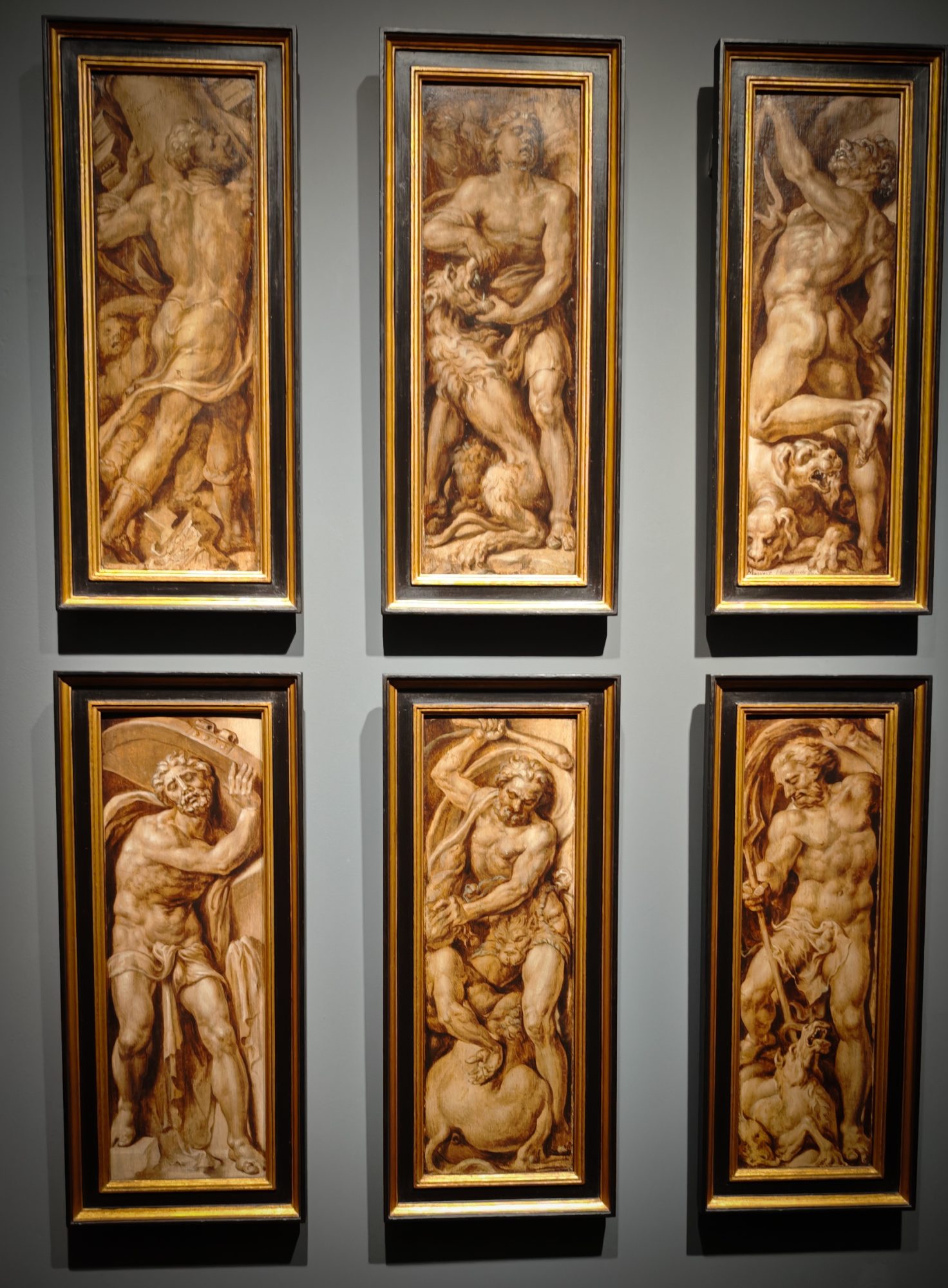
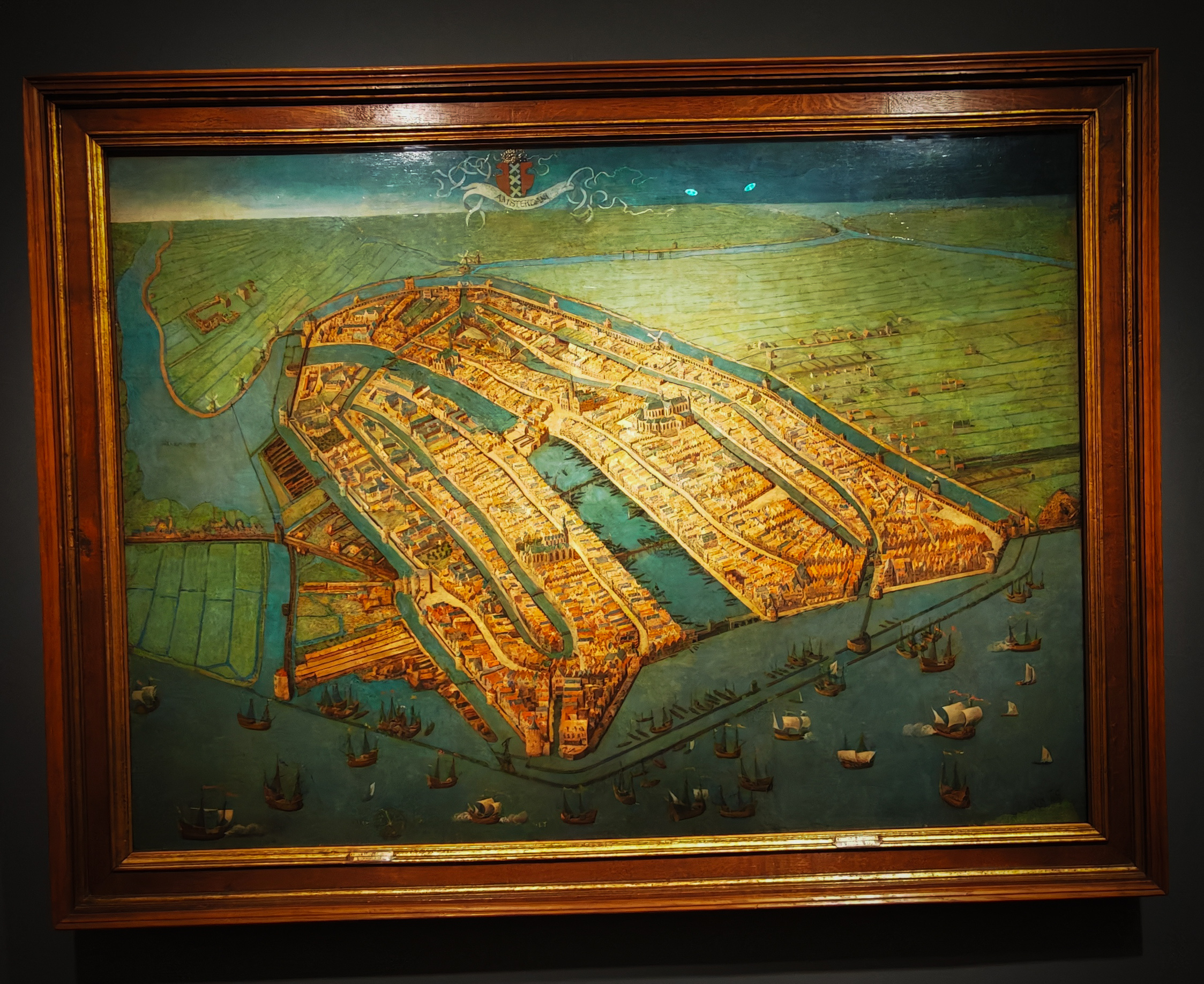
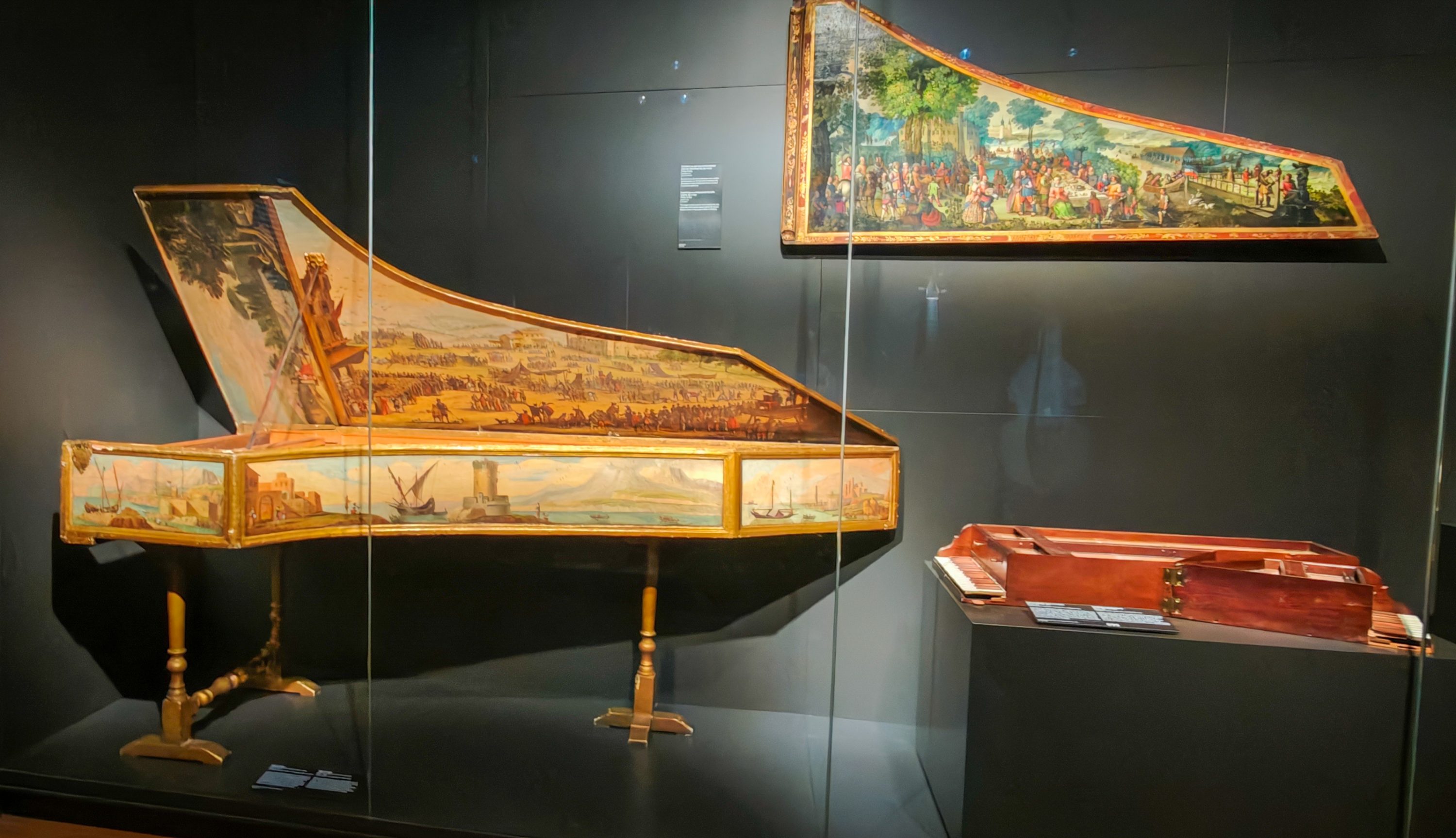
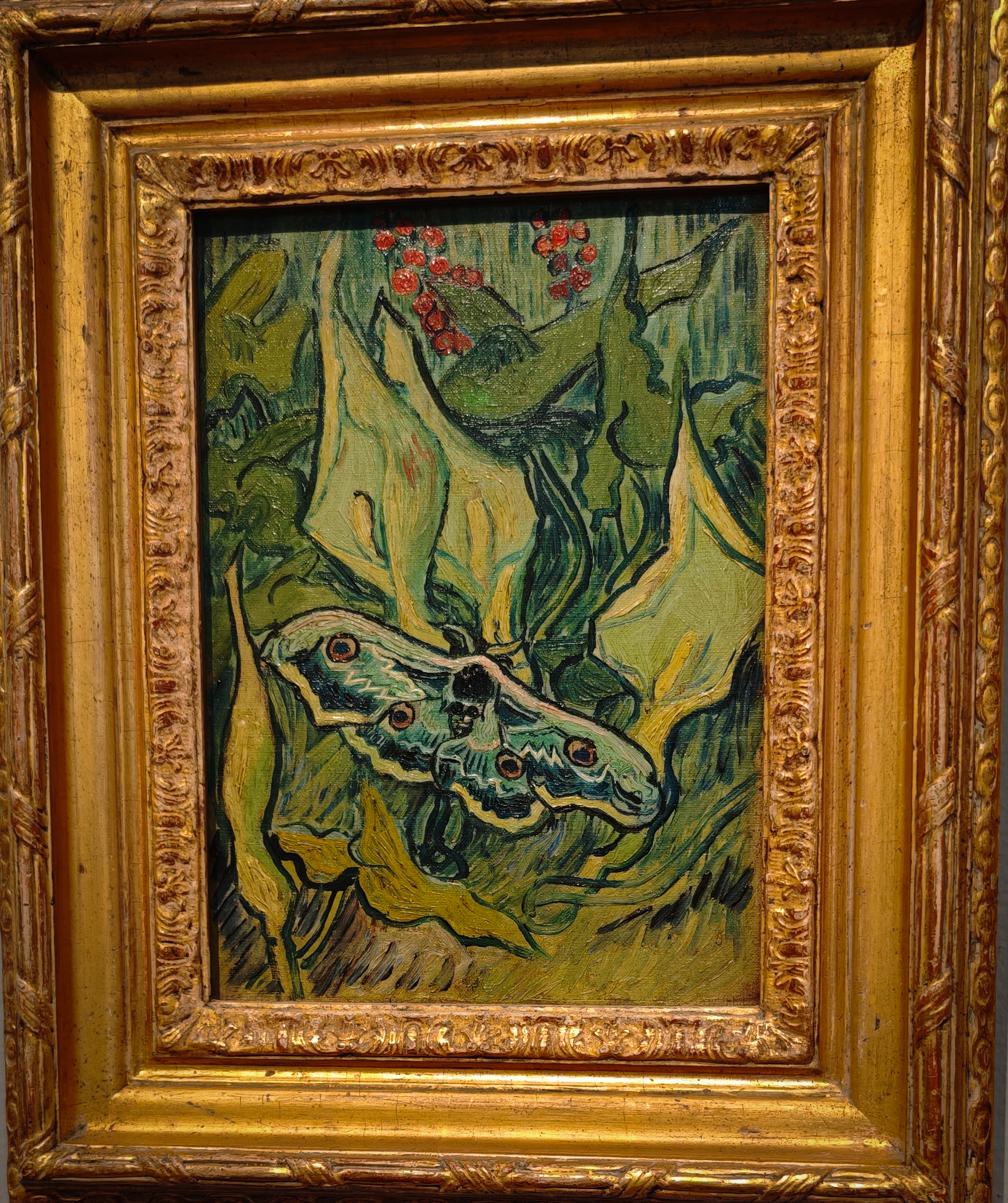
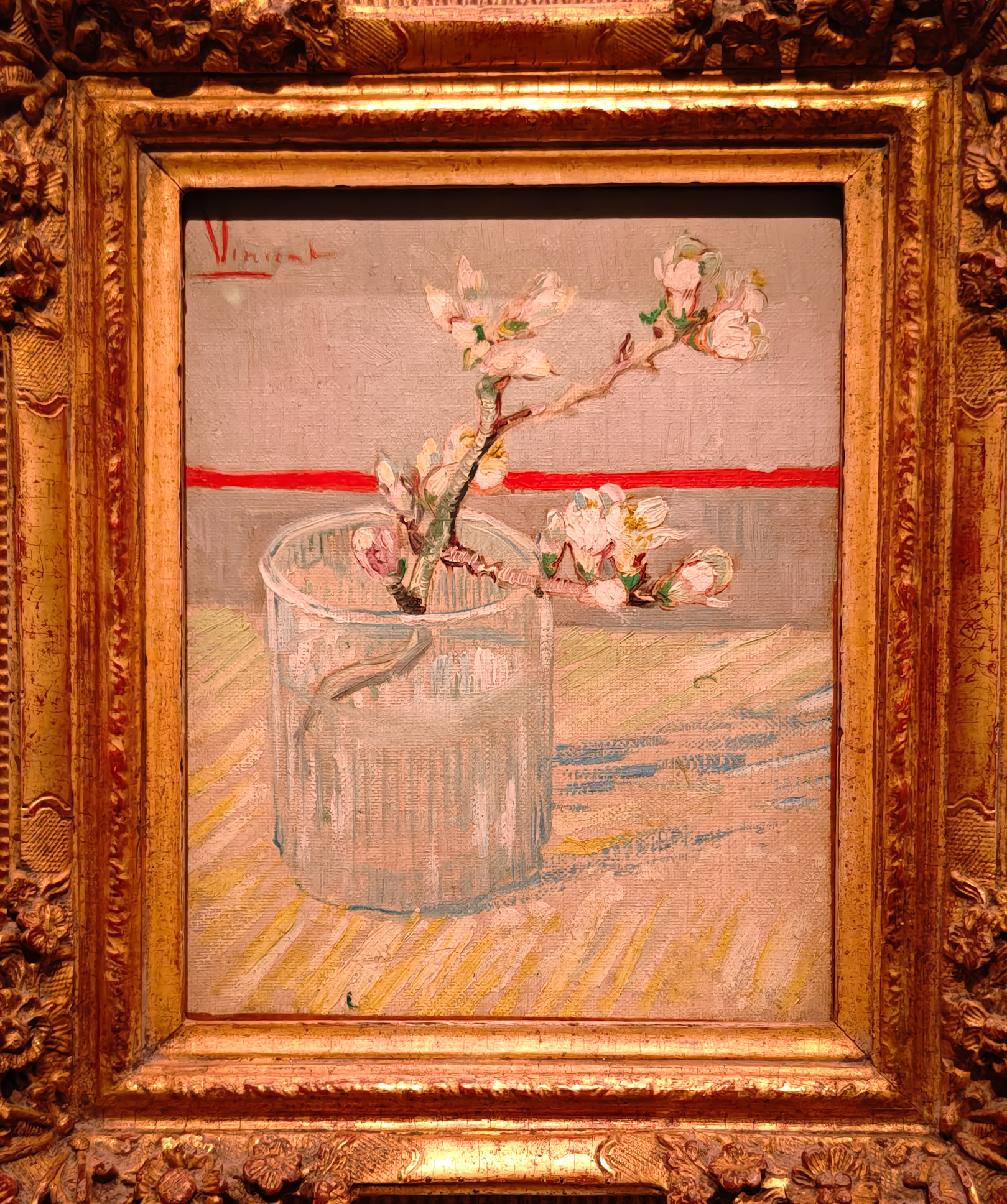
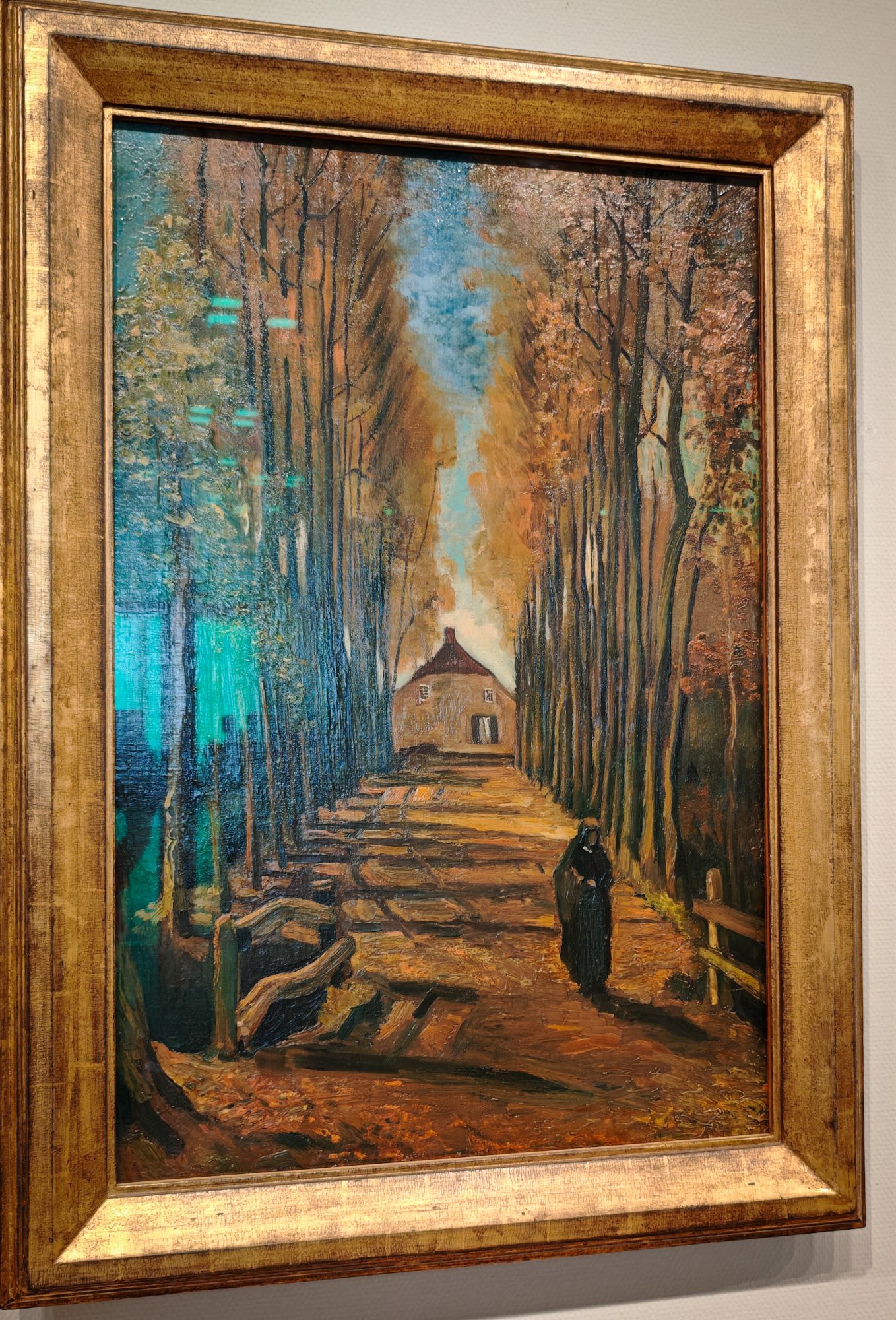
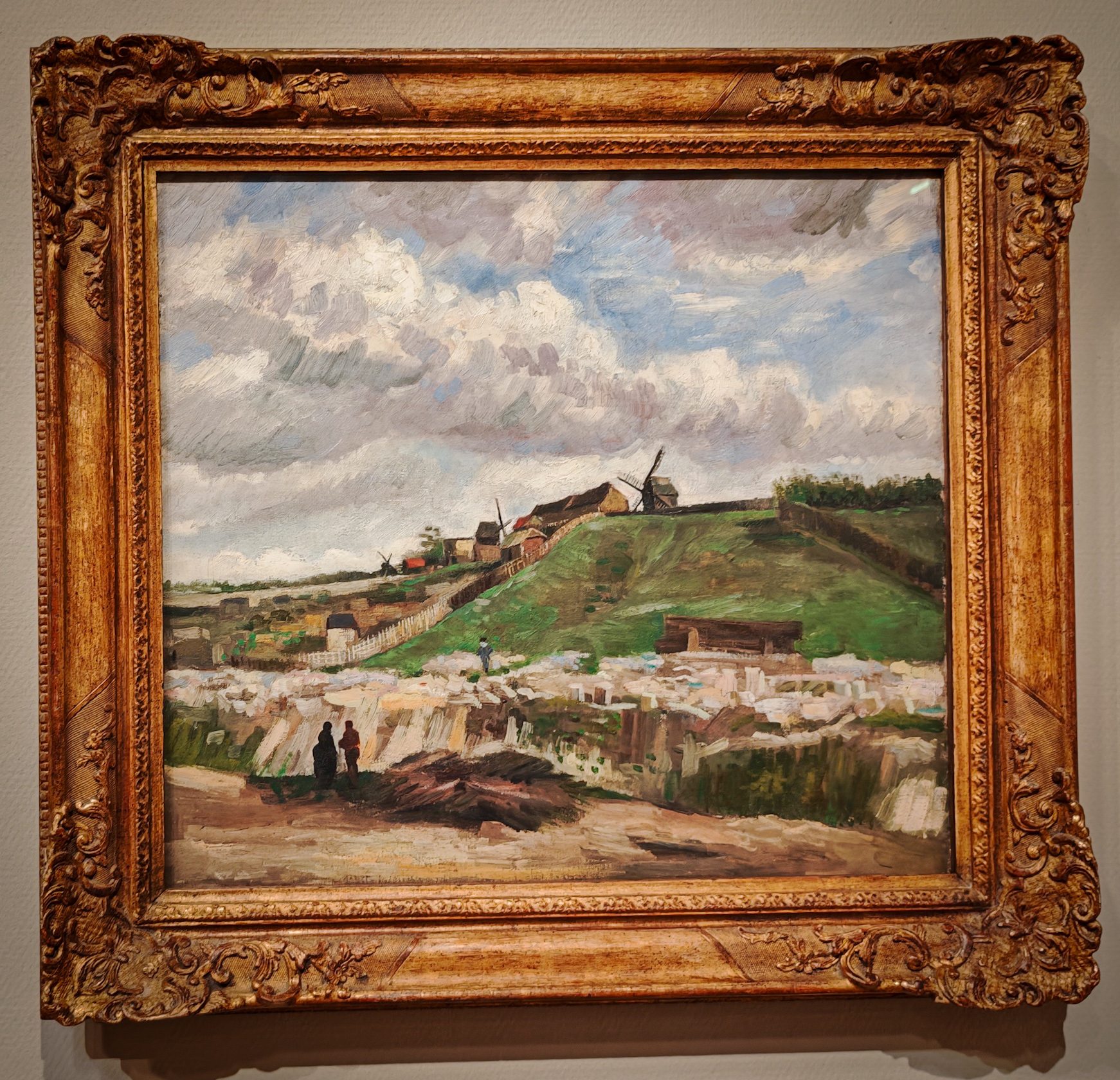
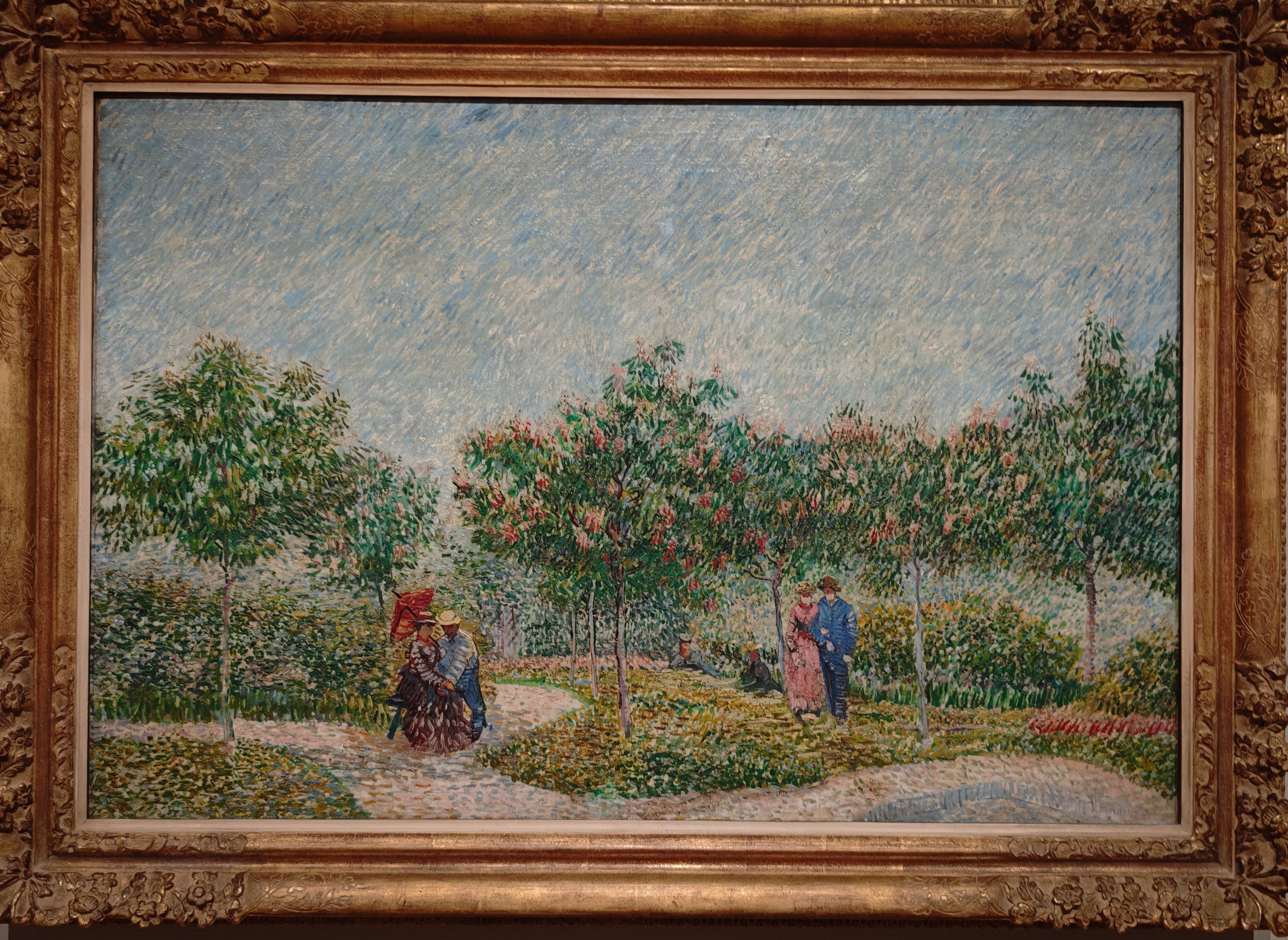
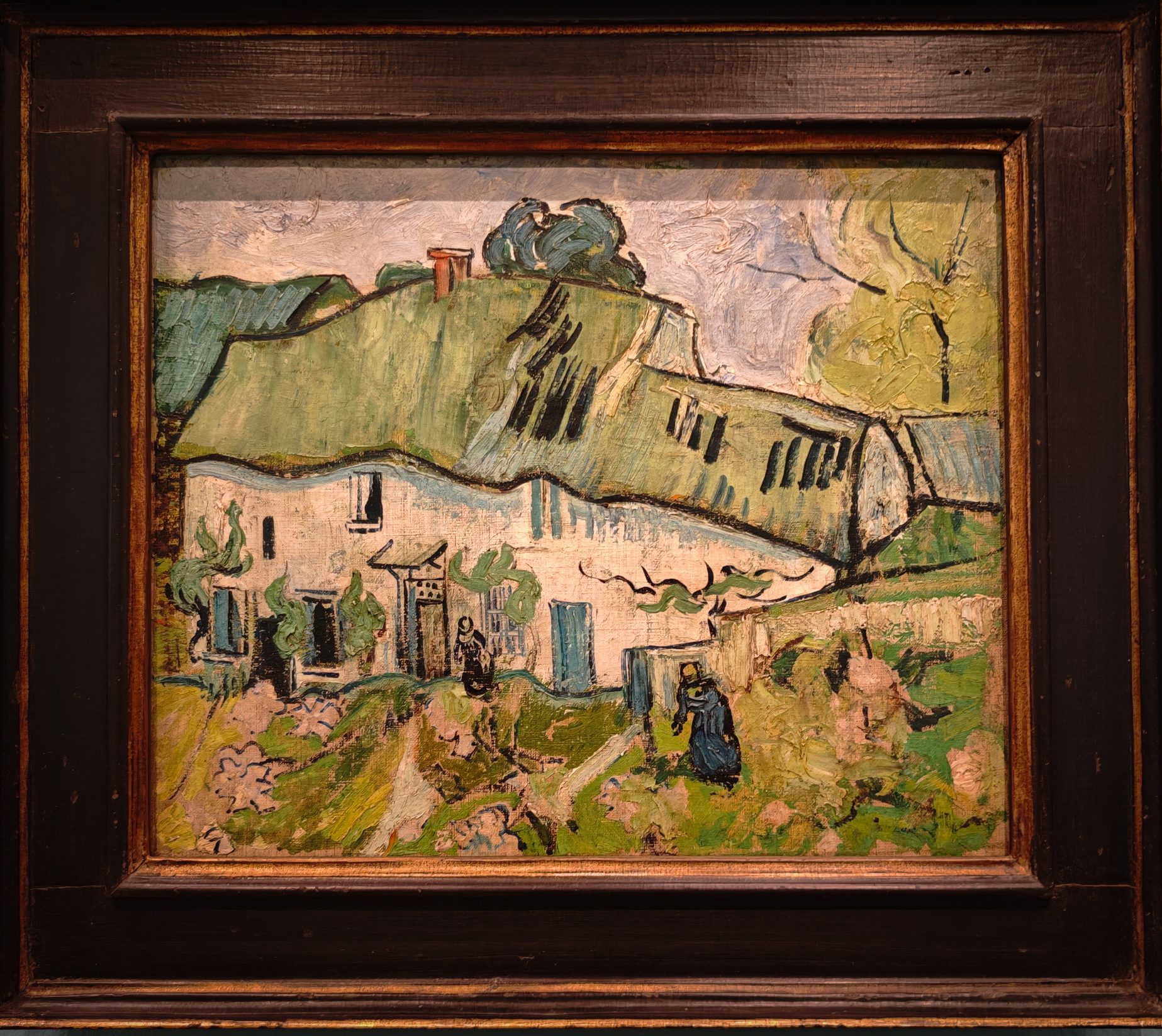
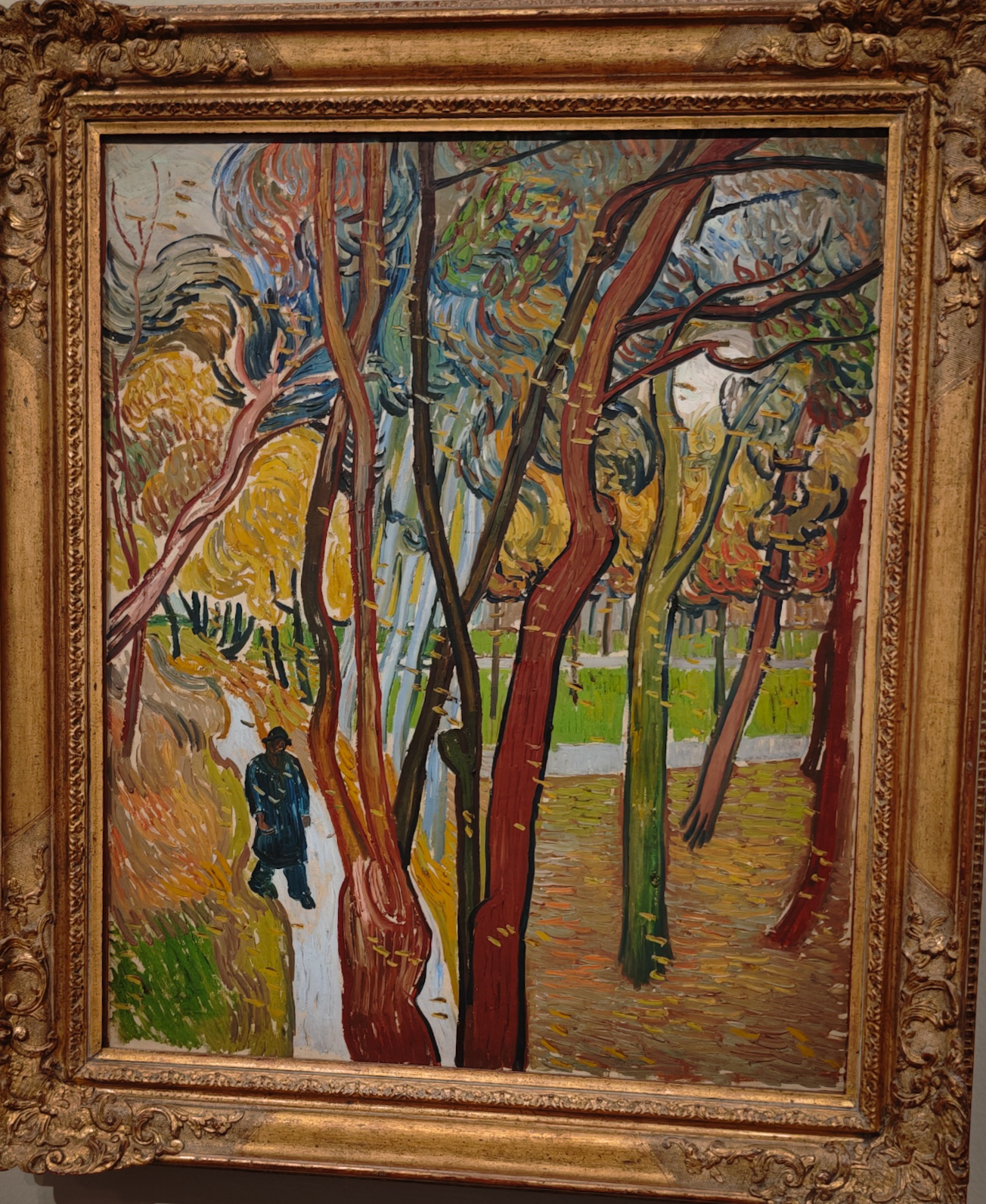
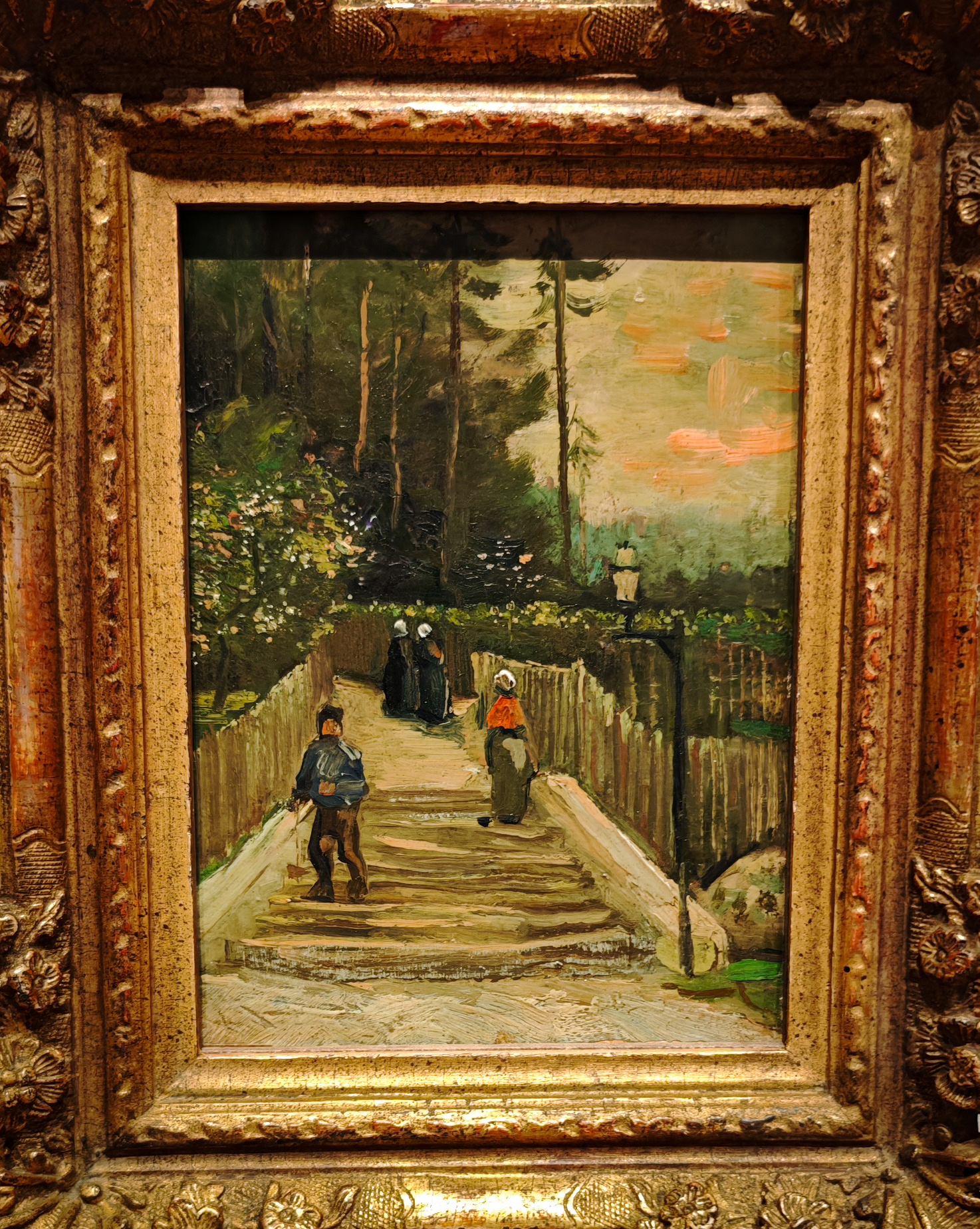
Van Gogh Museum Art
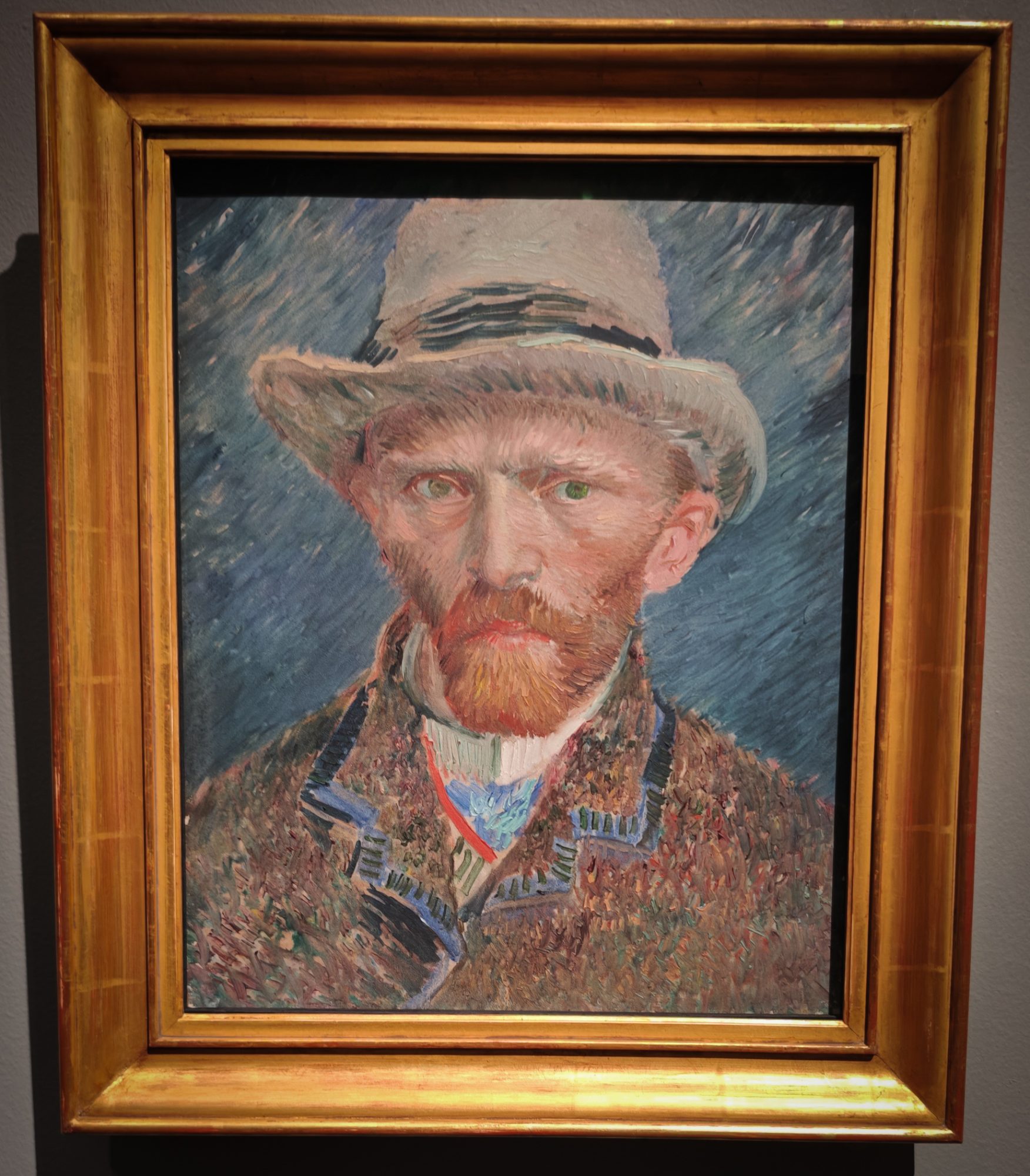
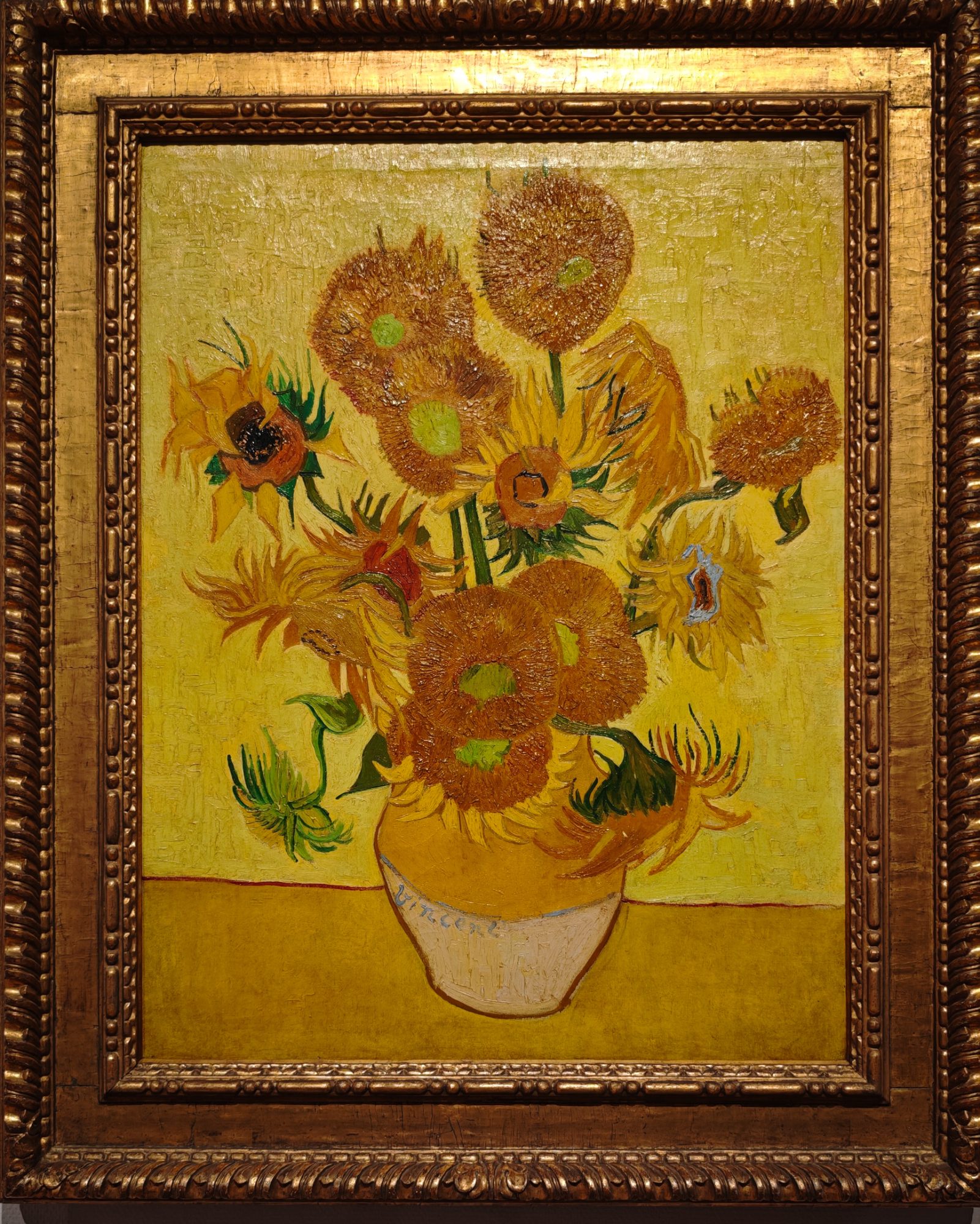
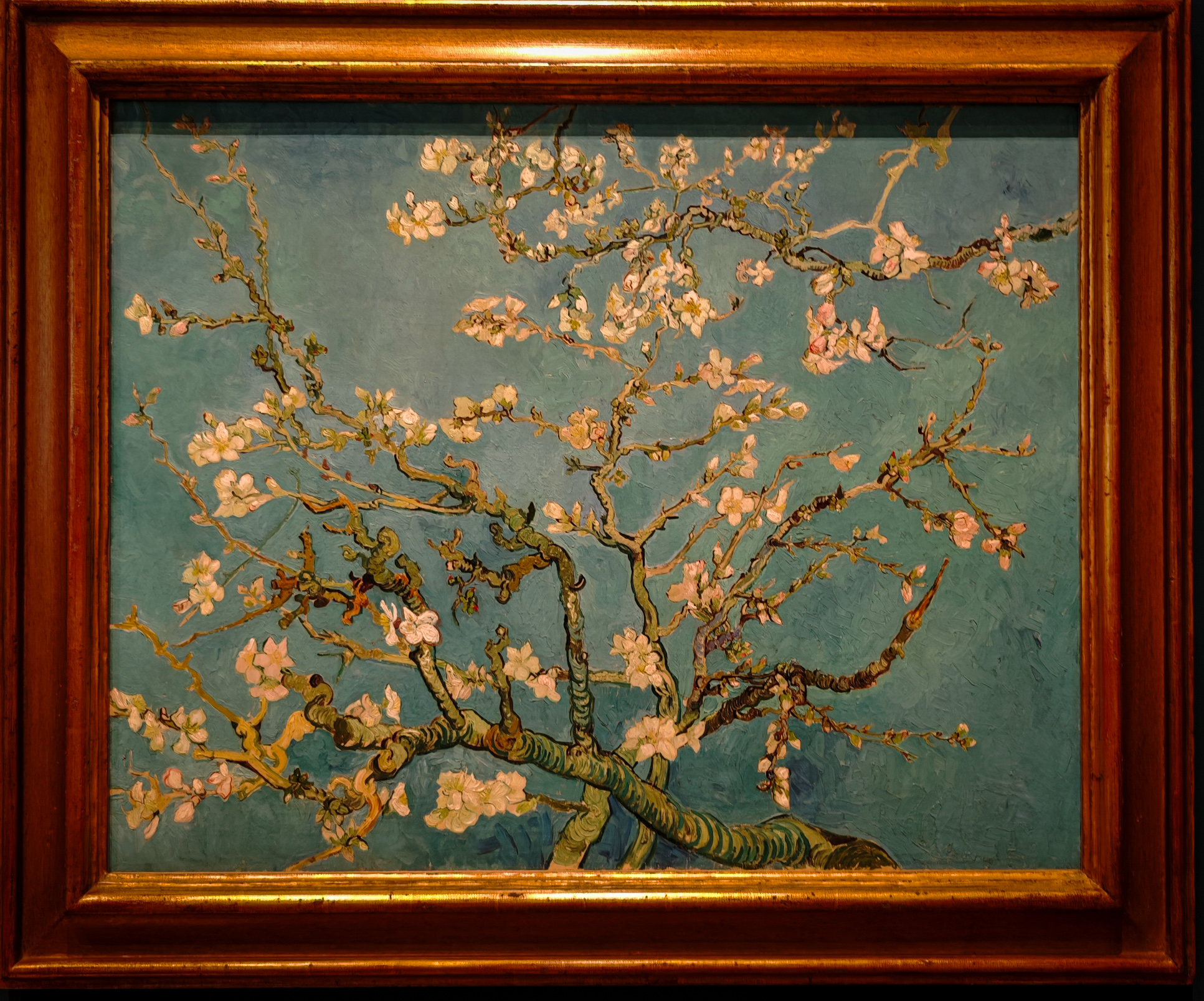
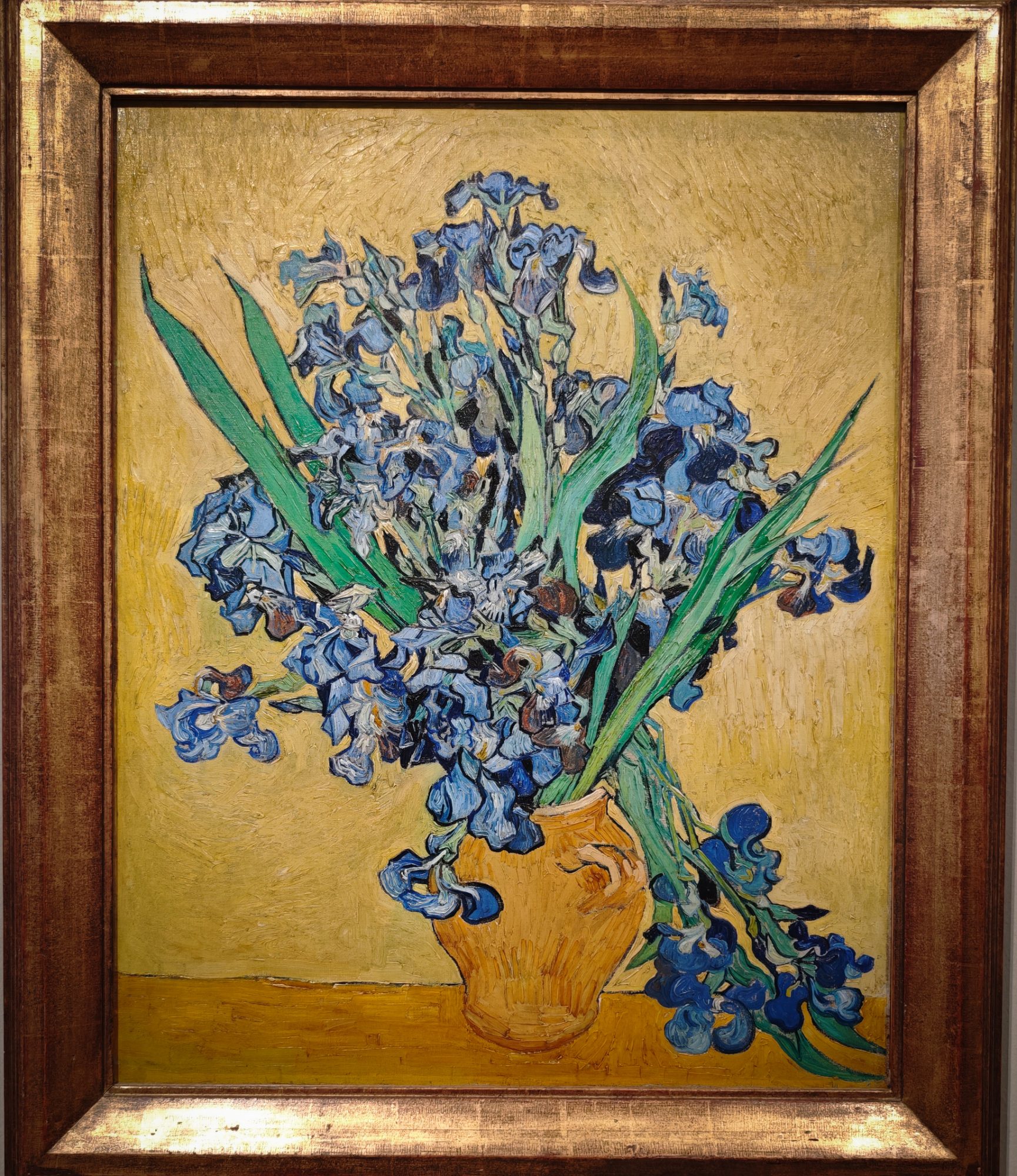
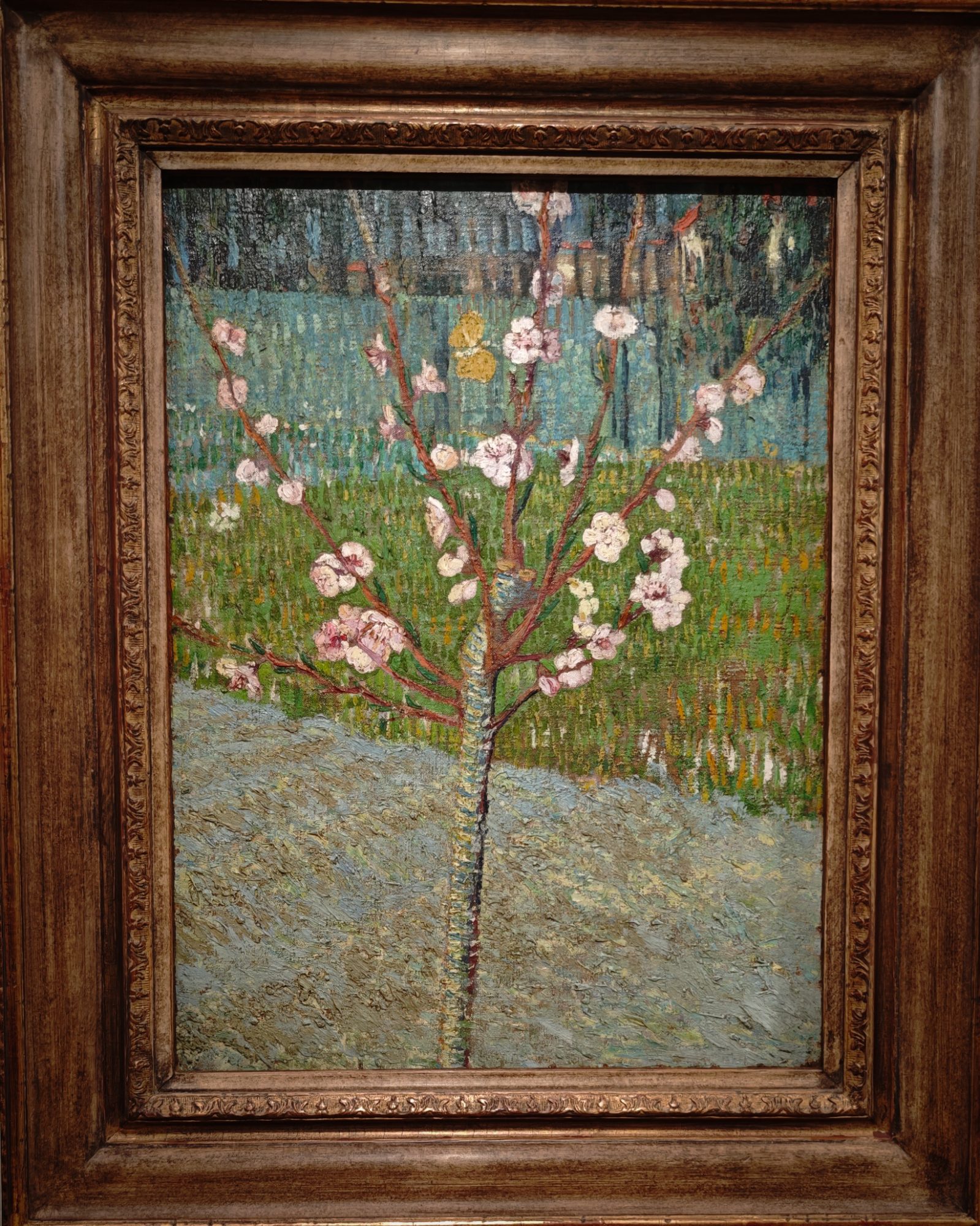
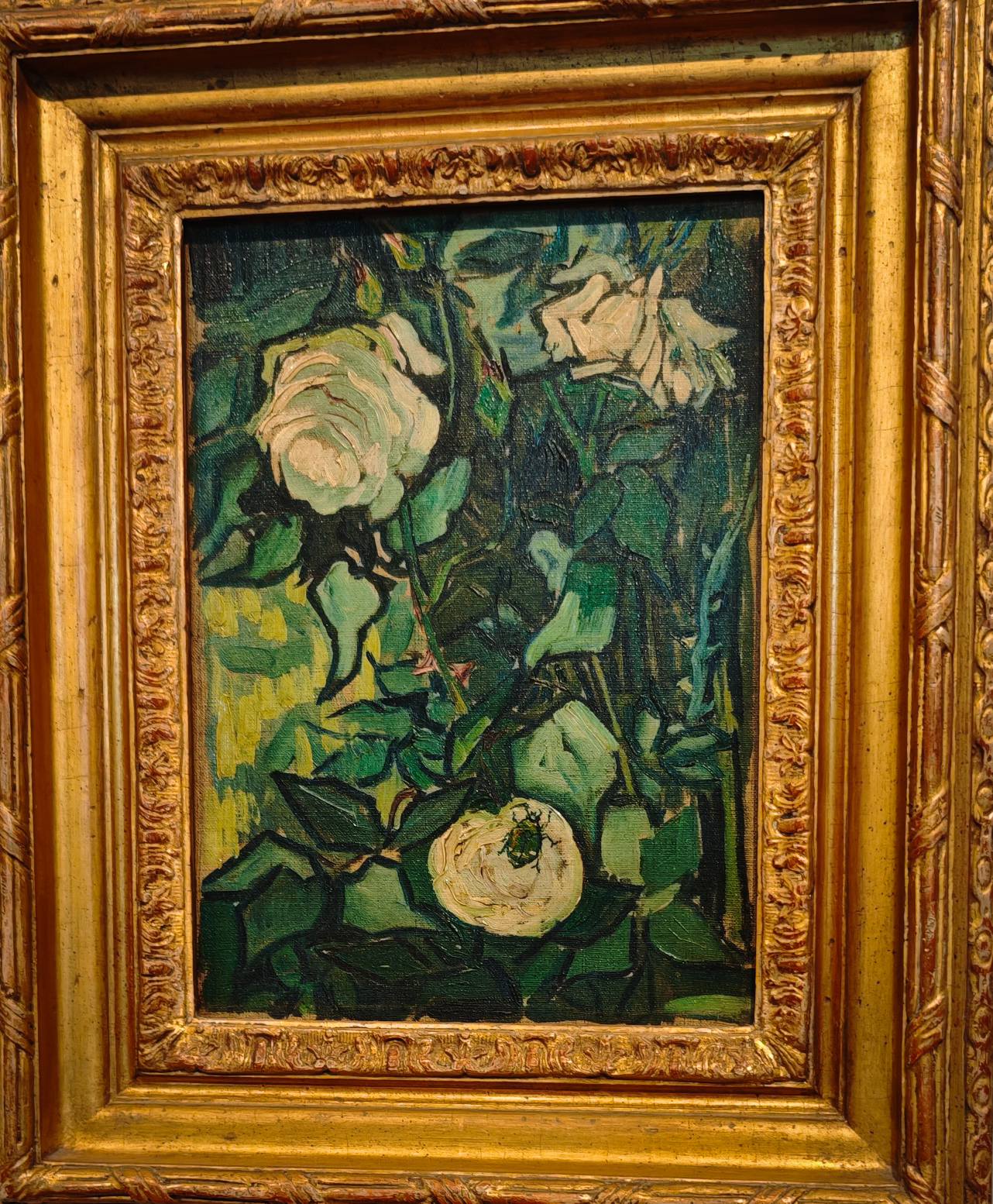
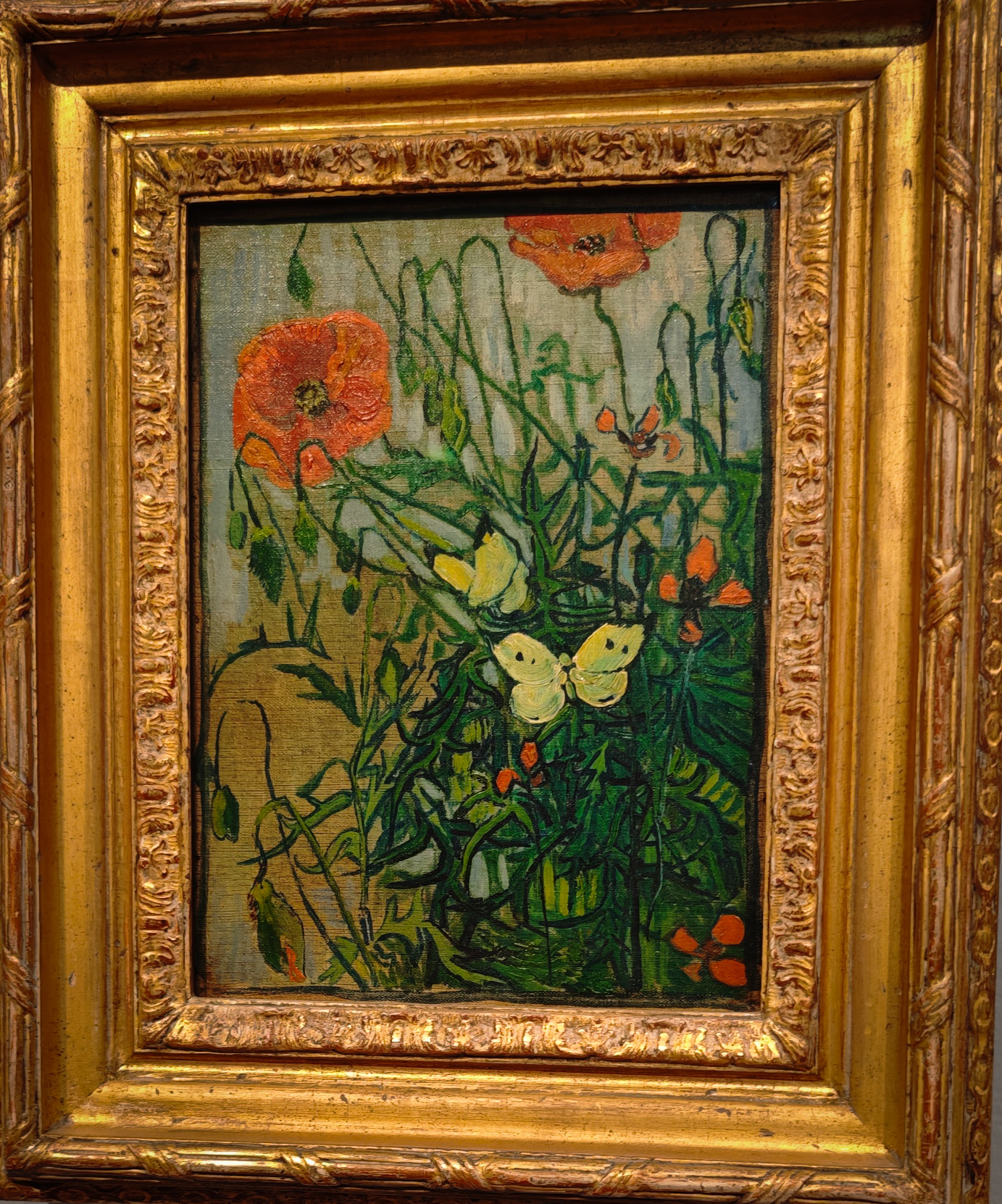
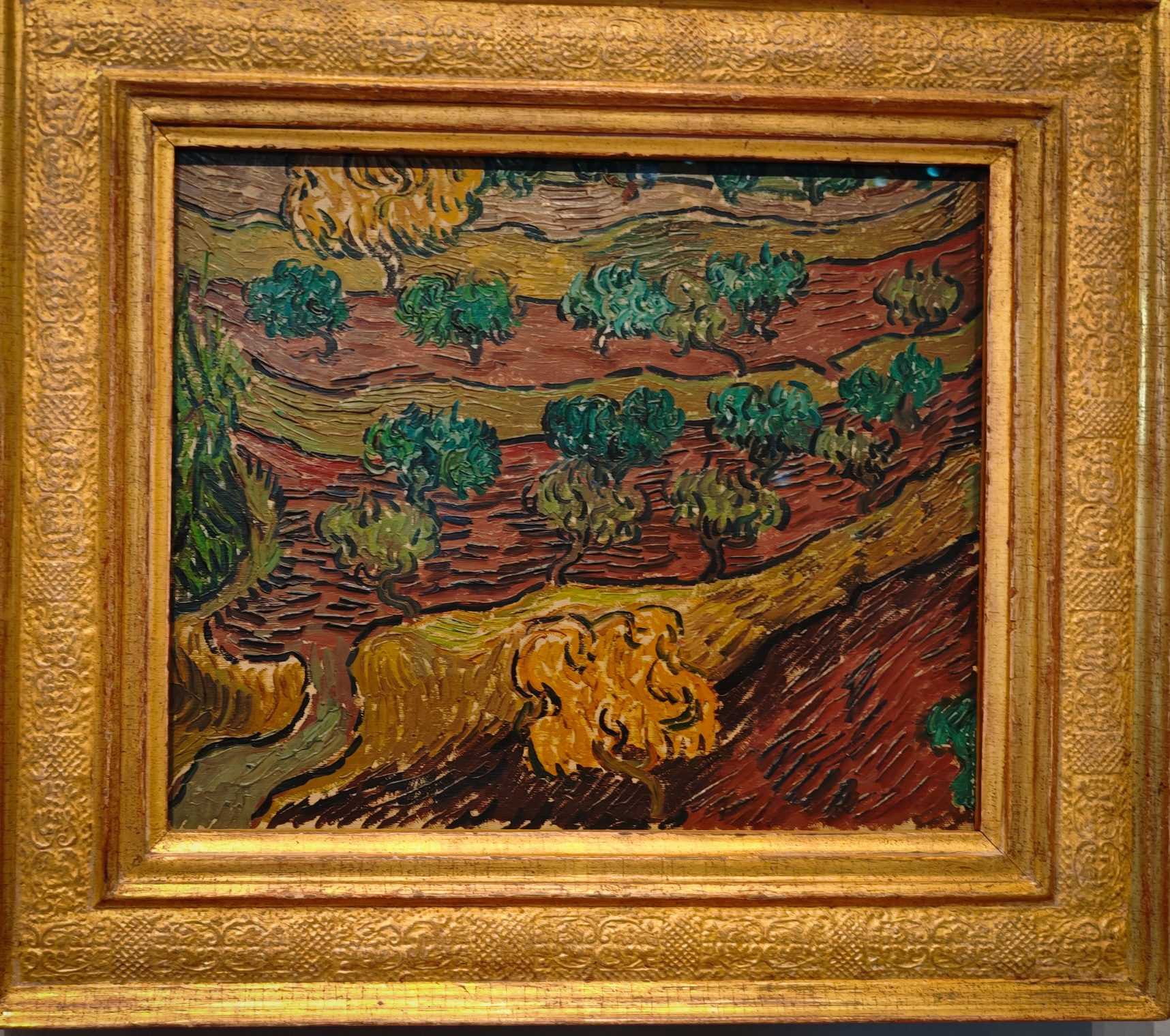
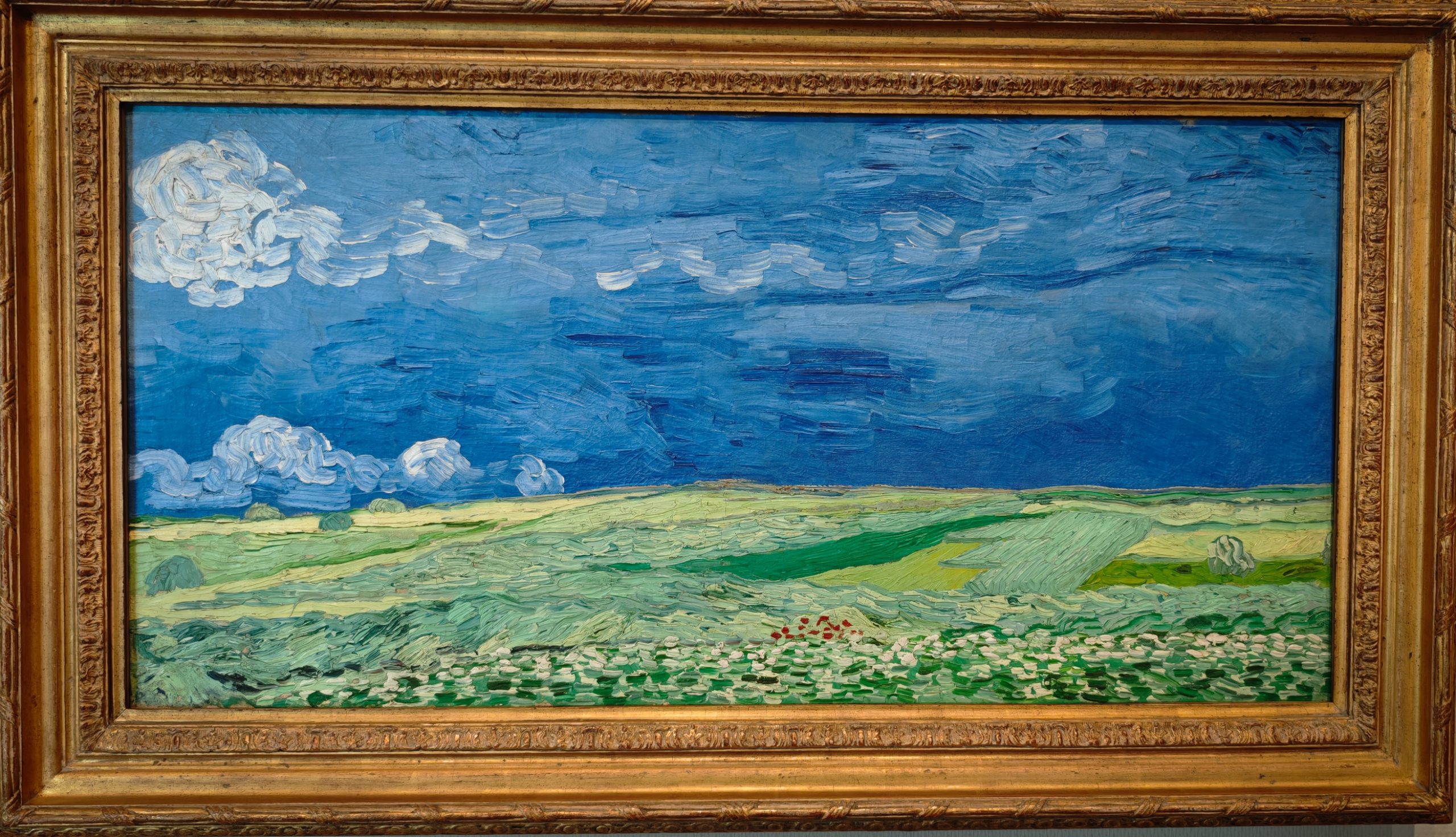
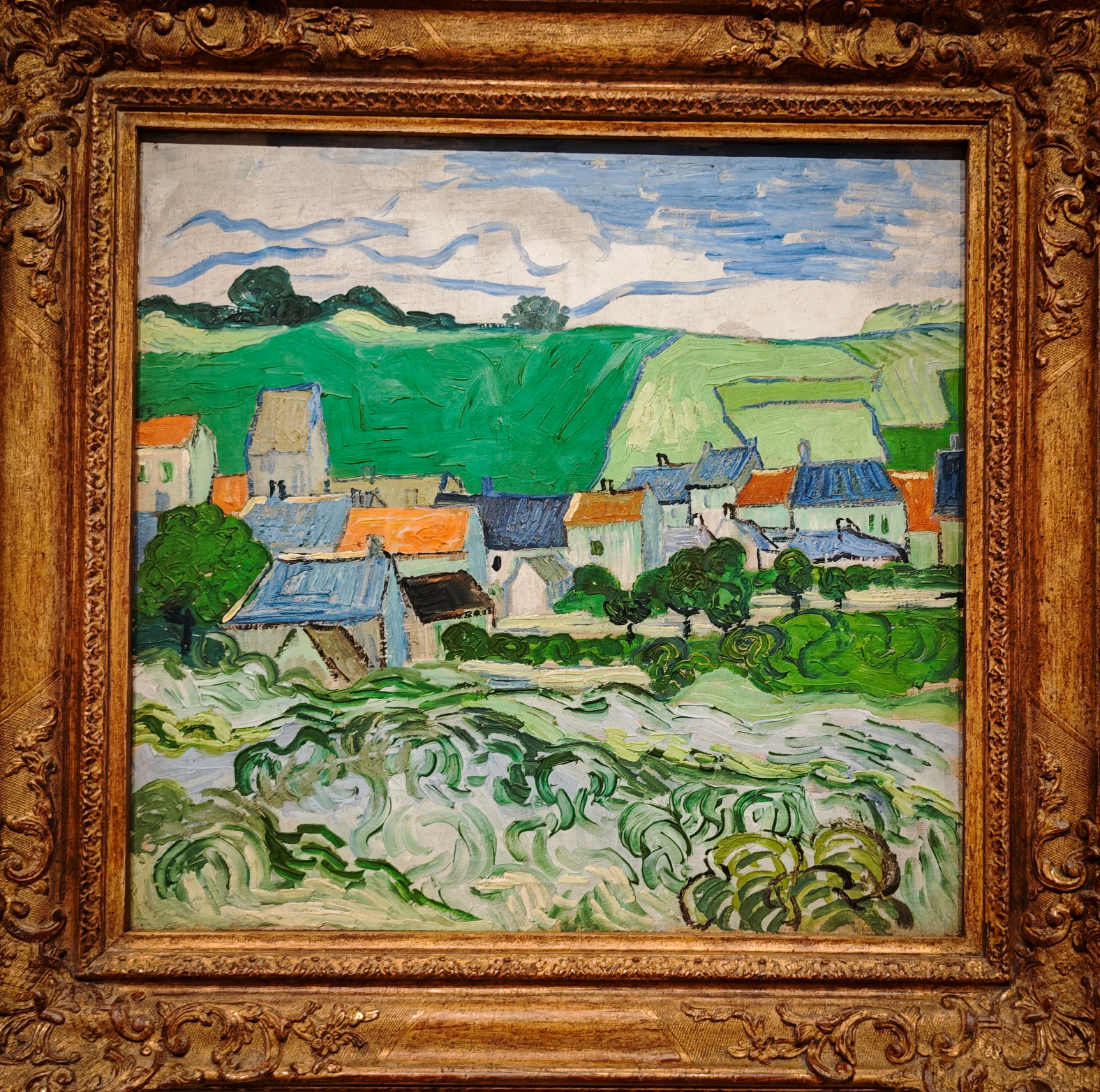
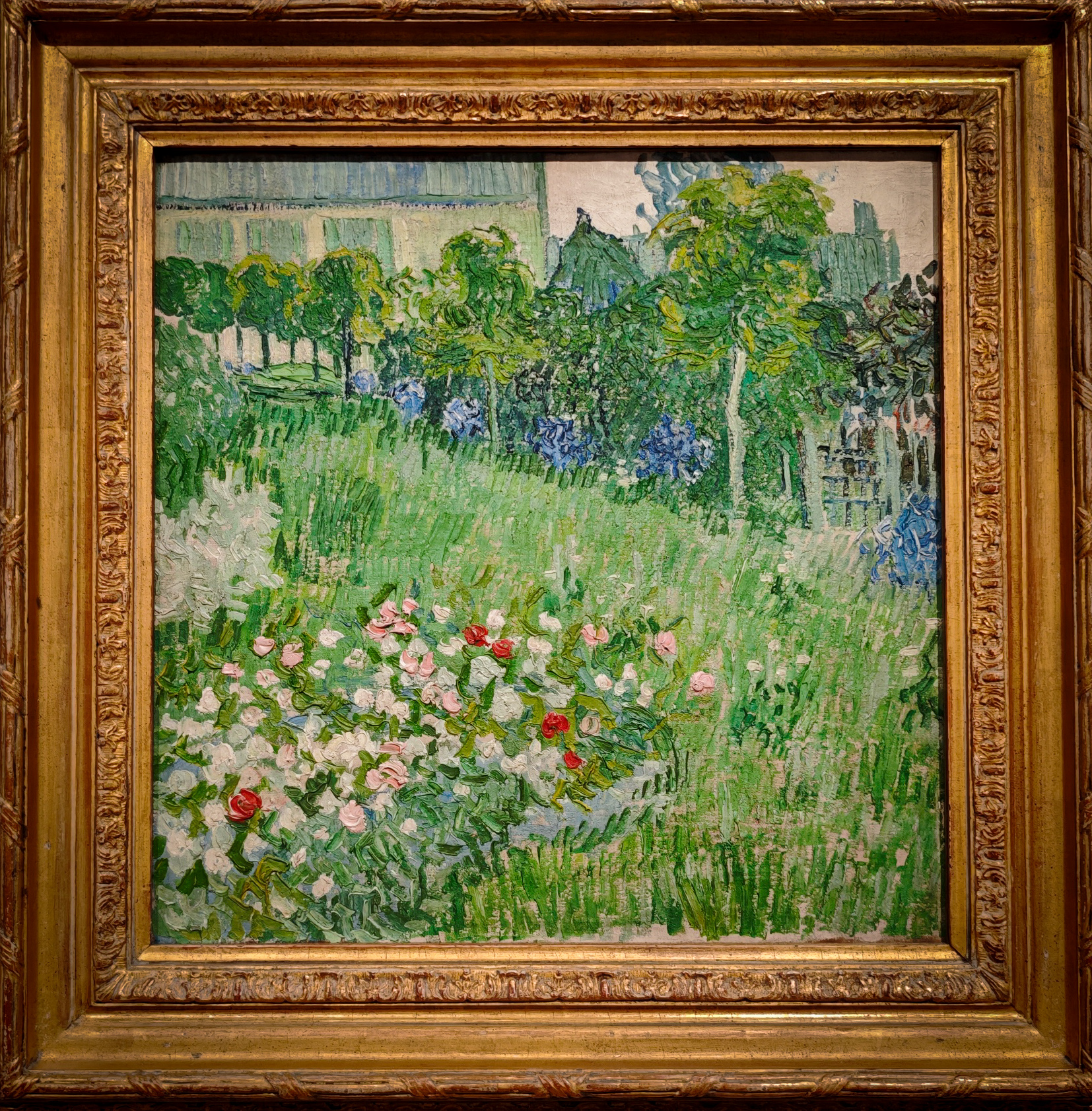
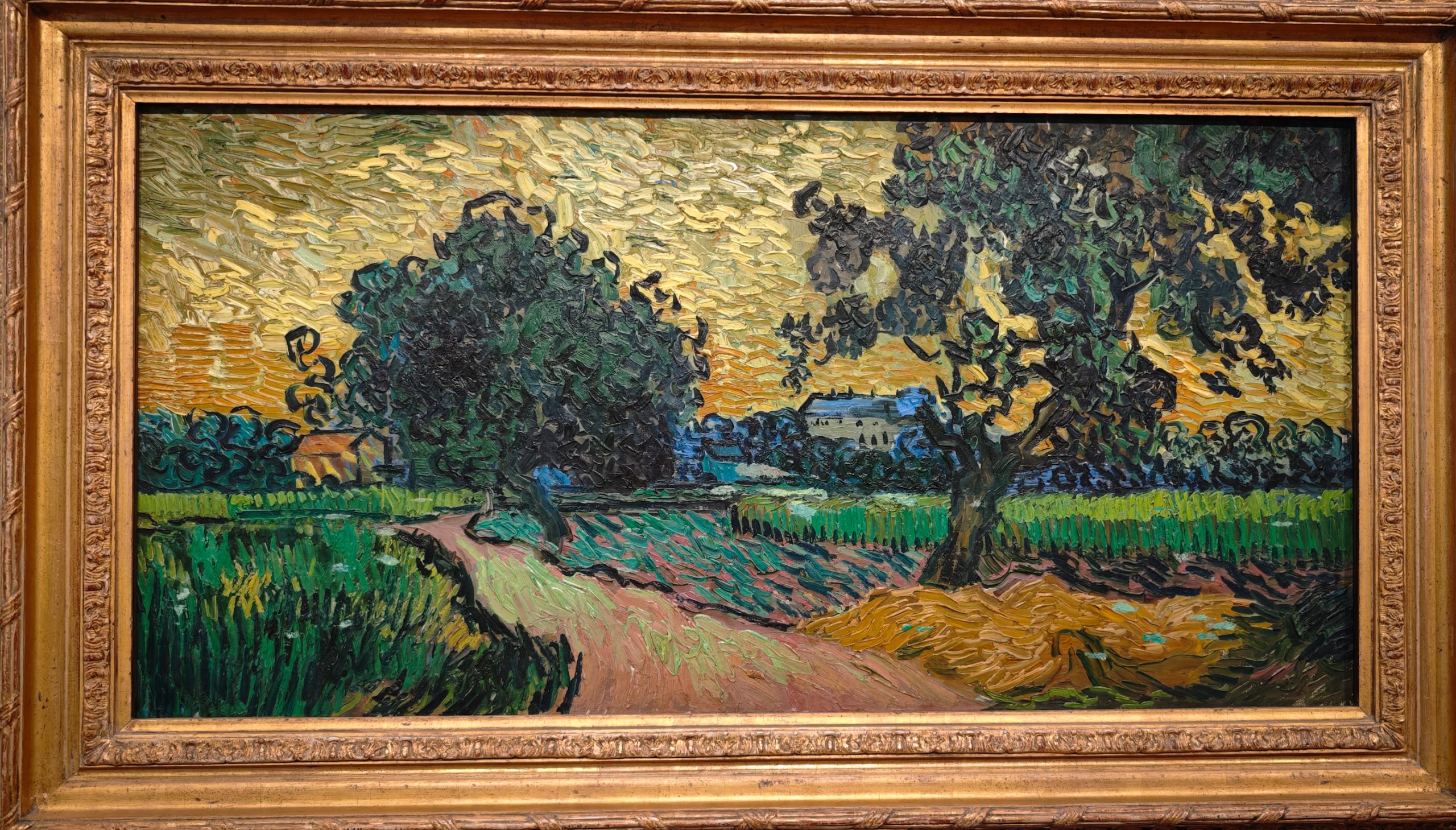
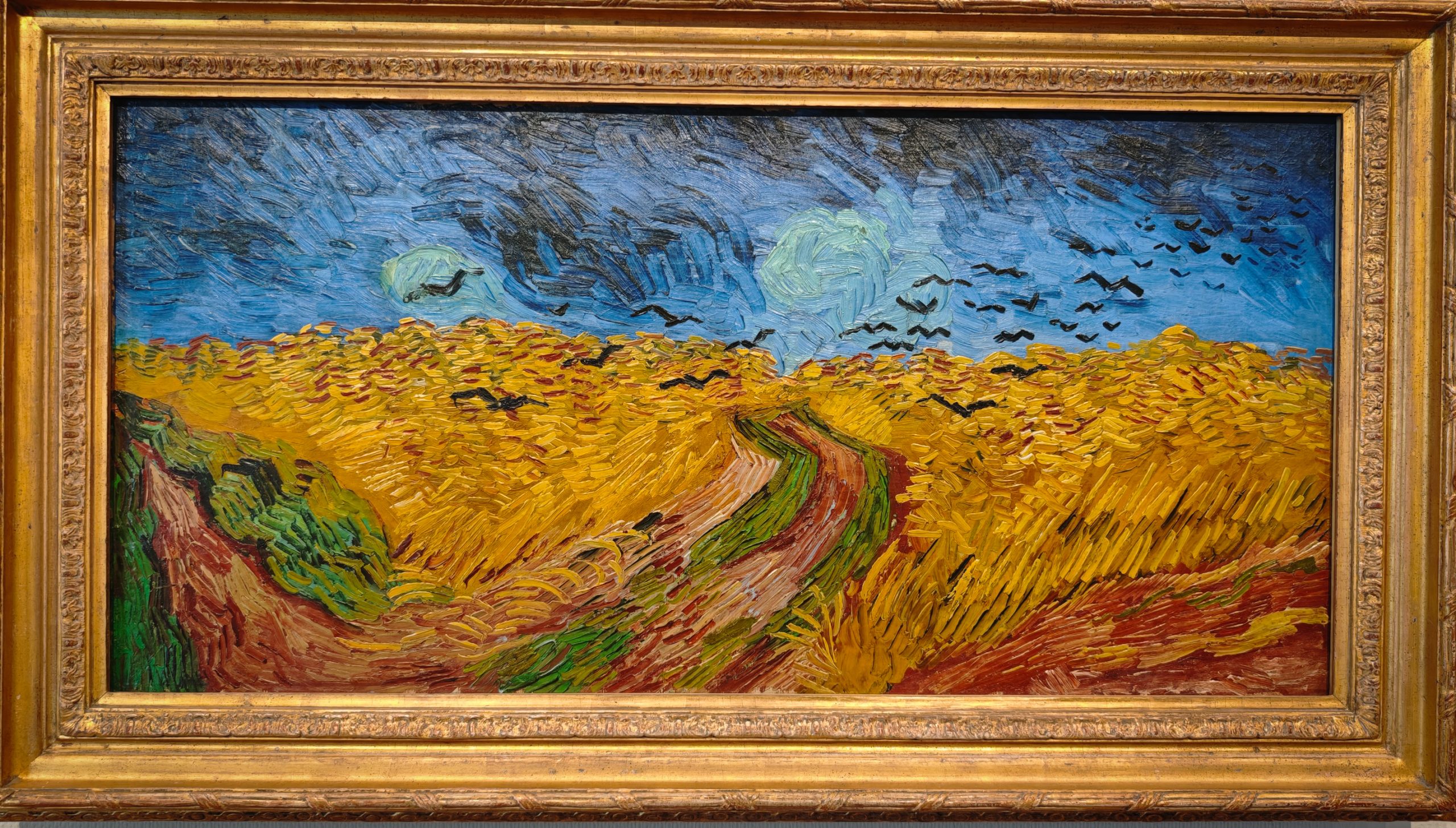
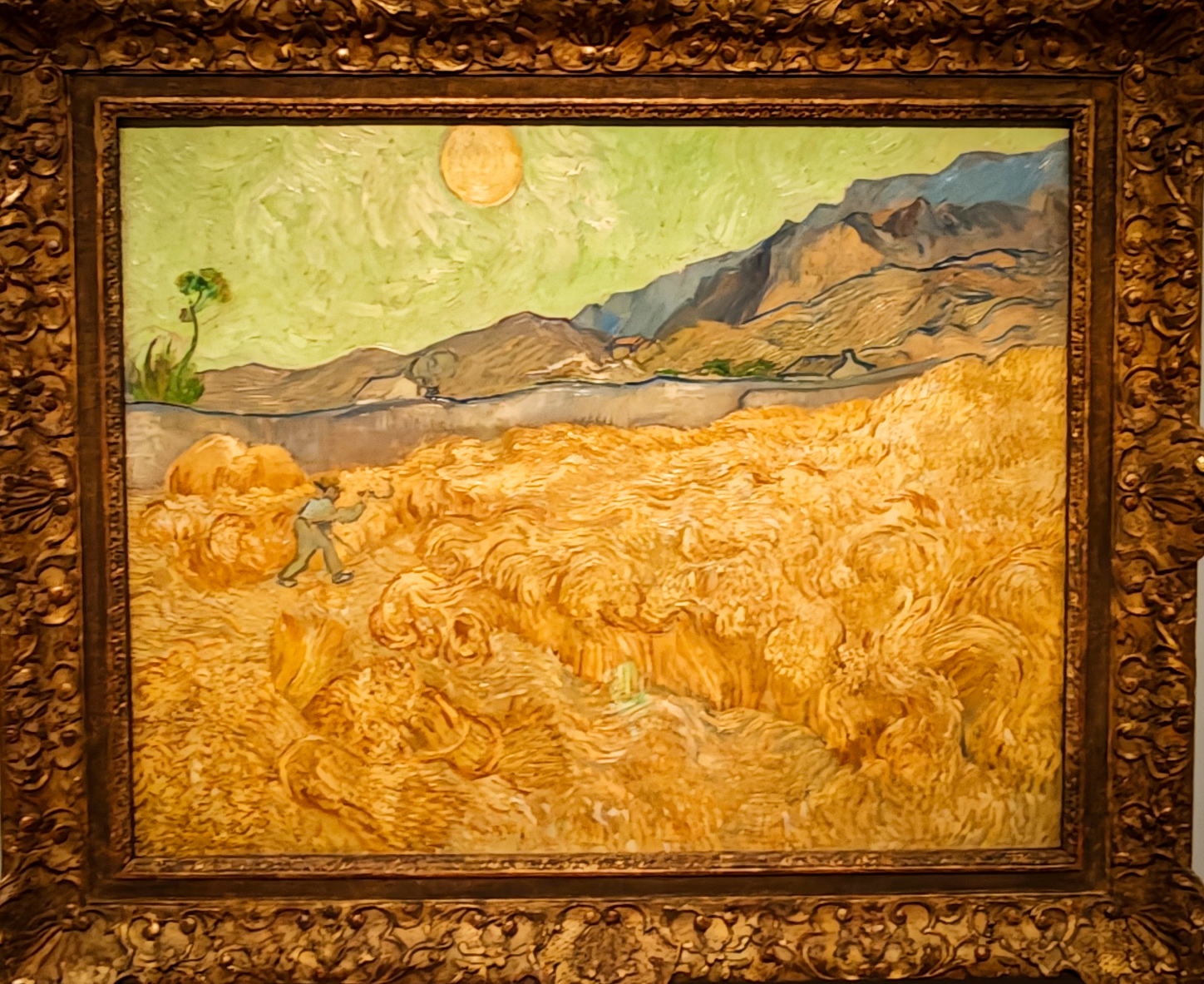
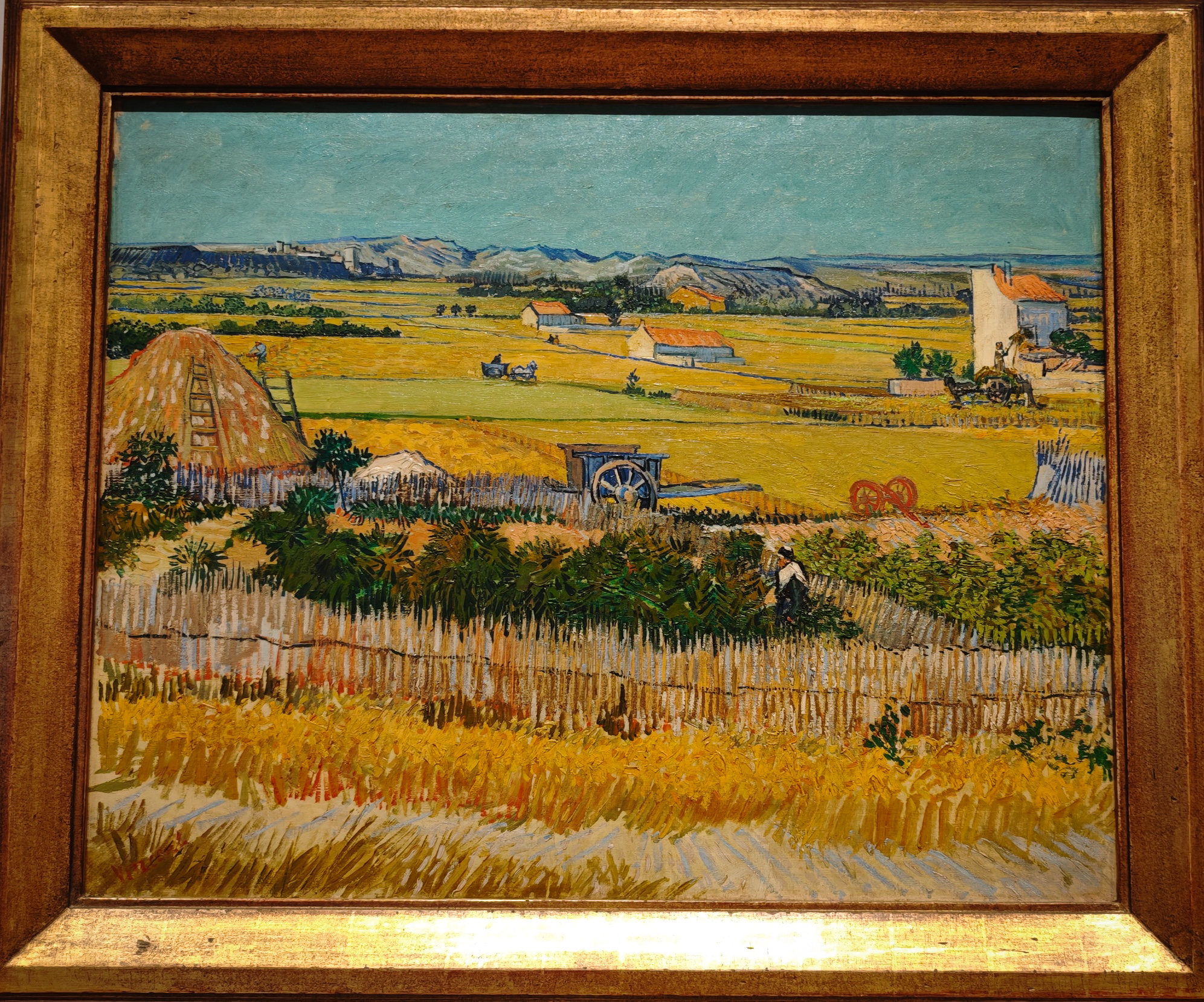
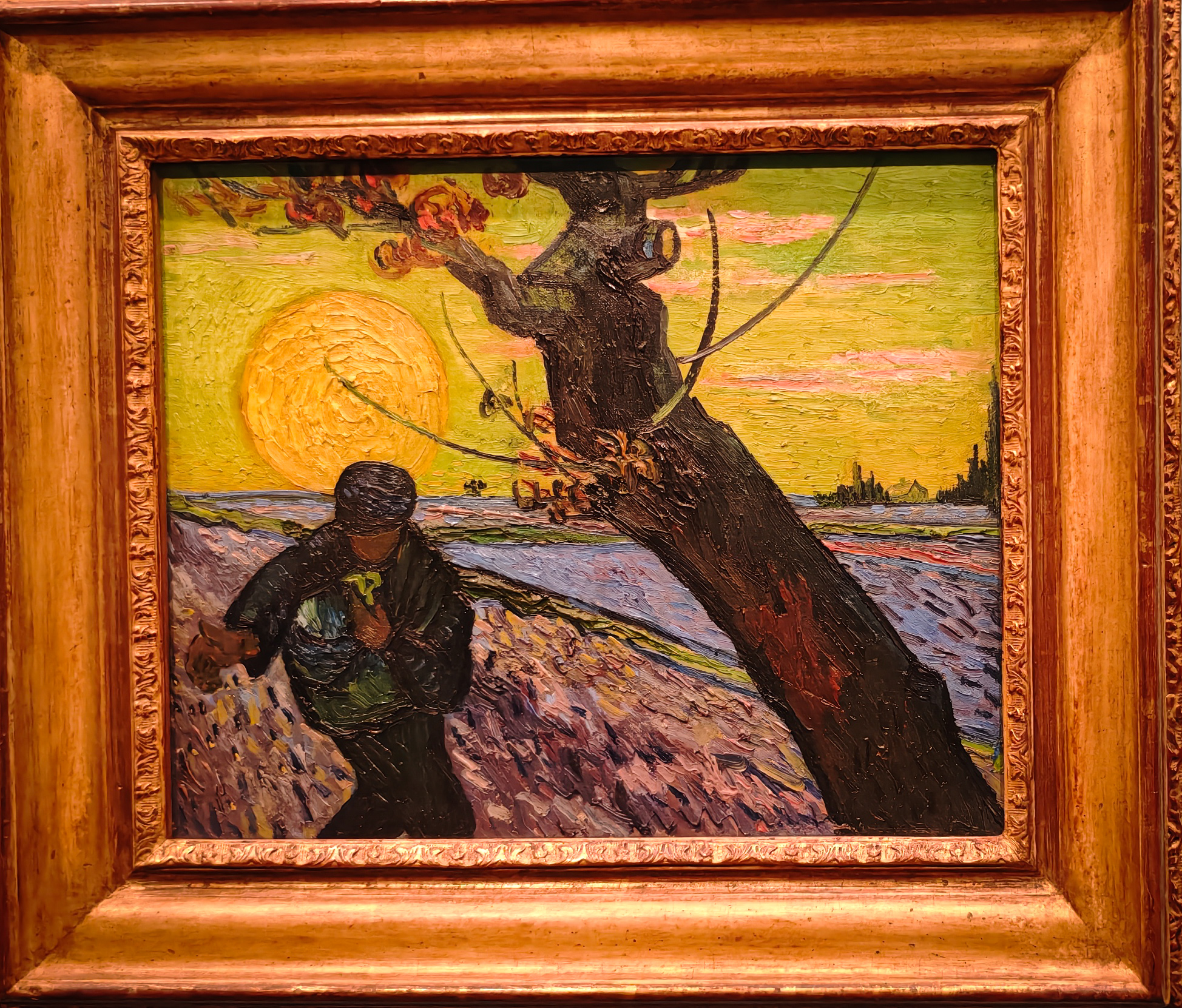
Step closer and you realize his brushstrokes aren’t mere paint on canvas, but raw, desperate pulses of energy frozen in time.Notice how each thick stroke carries a frantic, unfiltered momentum—as if his soul was moving faster than the paint could dry.
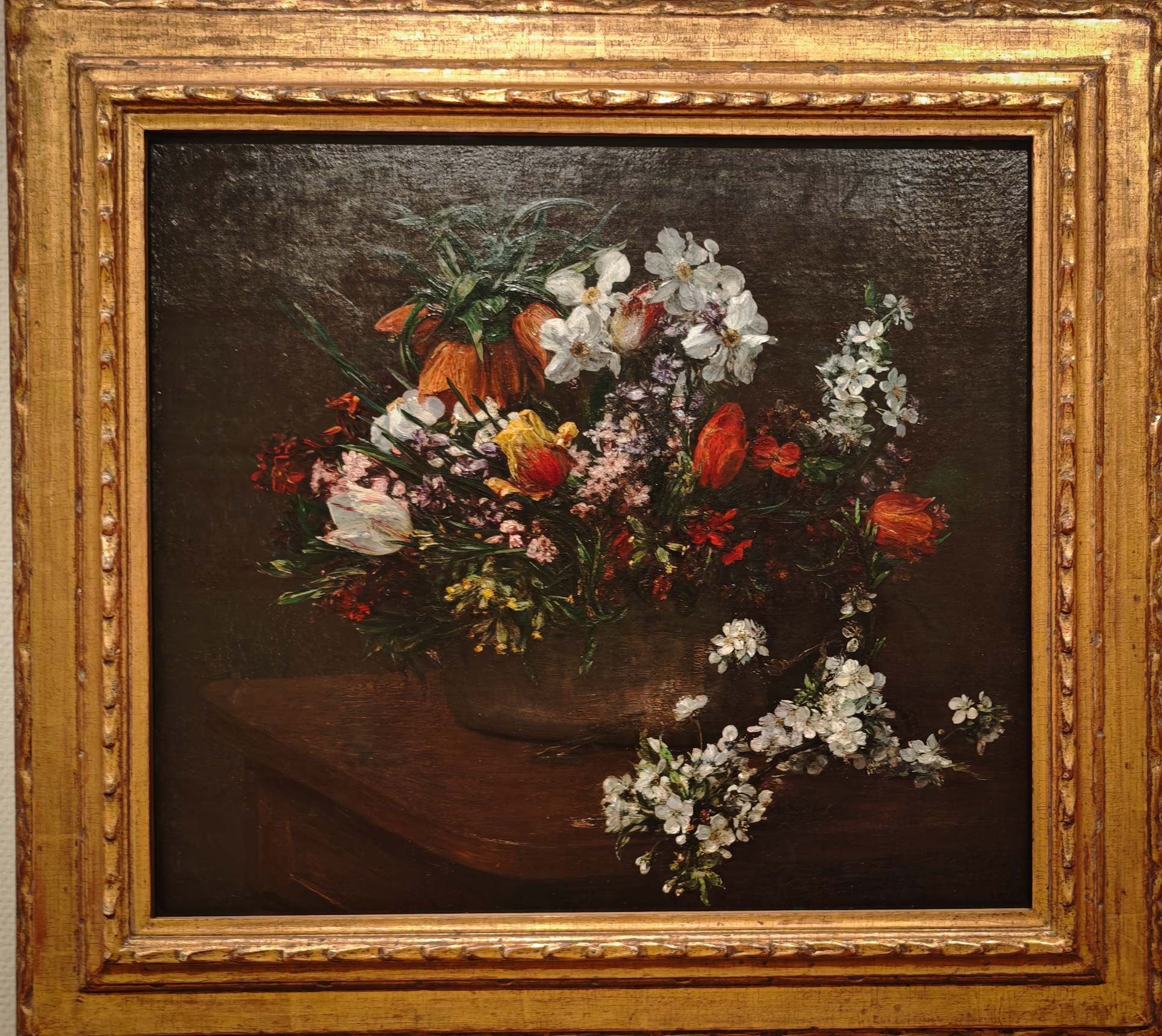
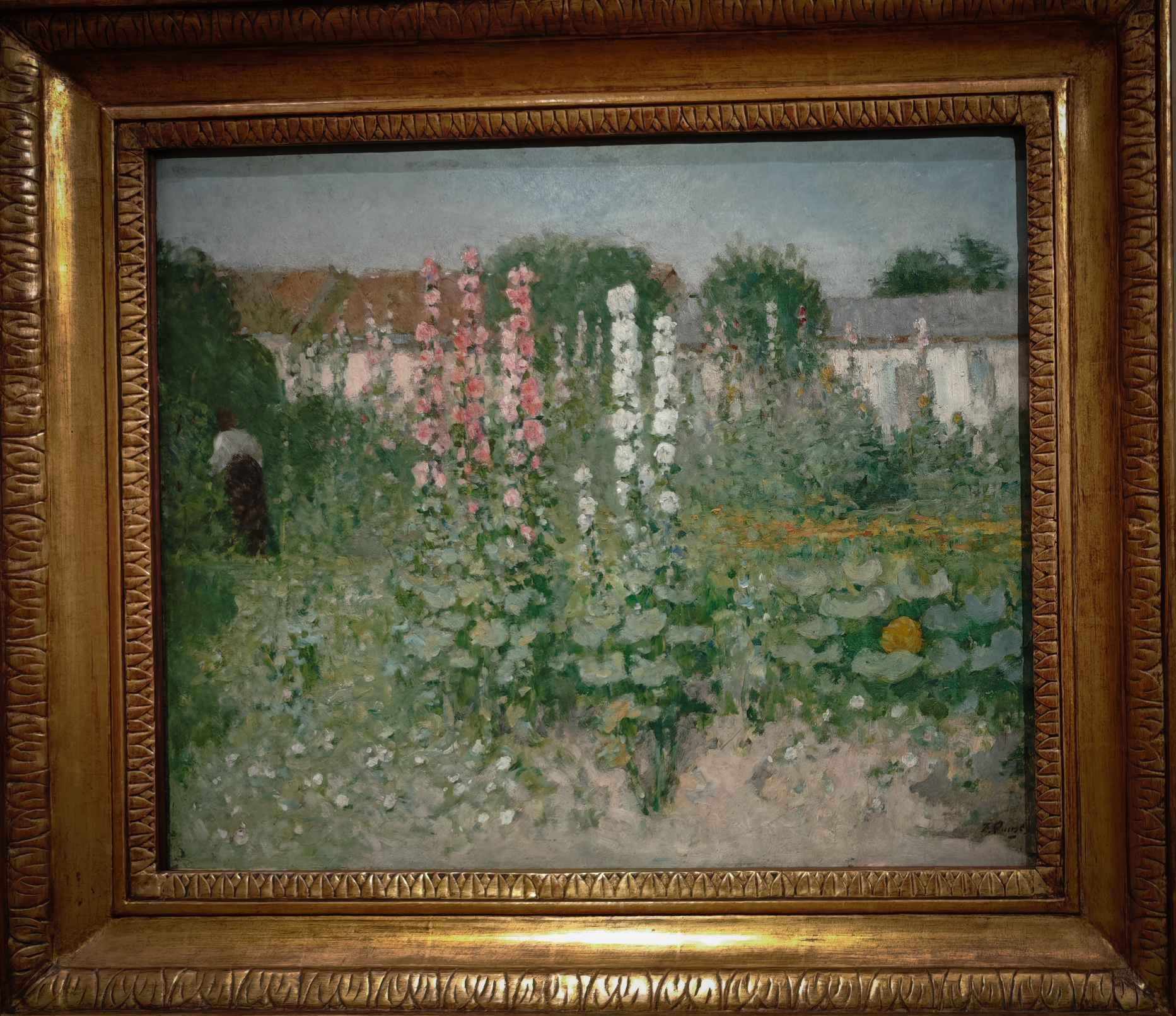
Flowers
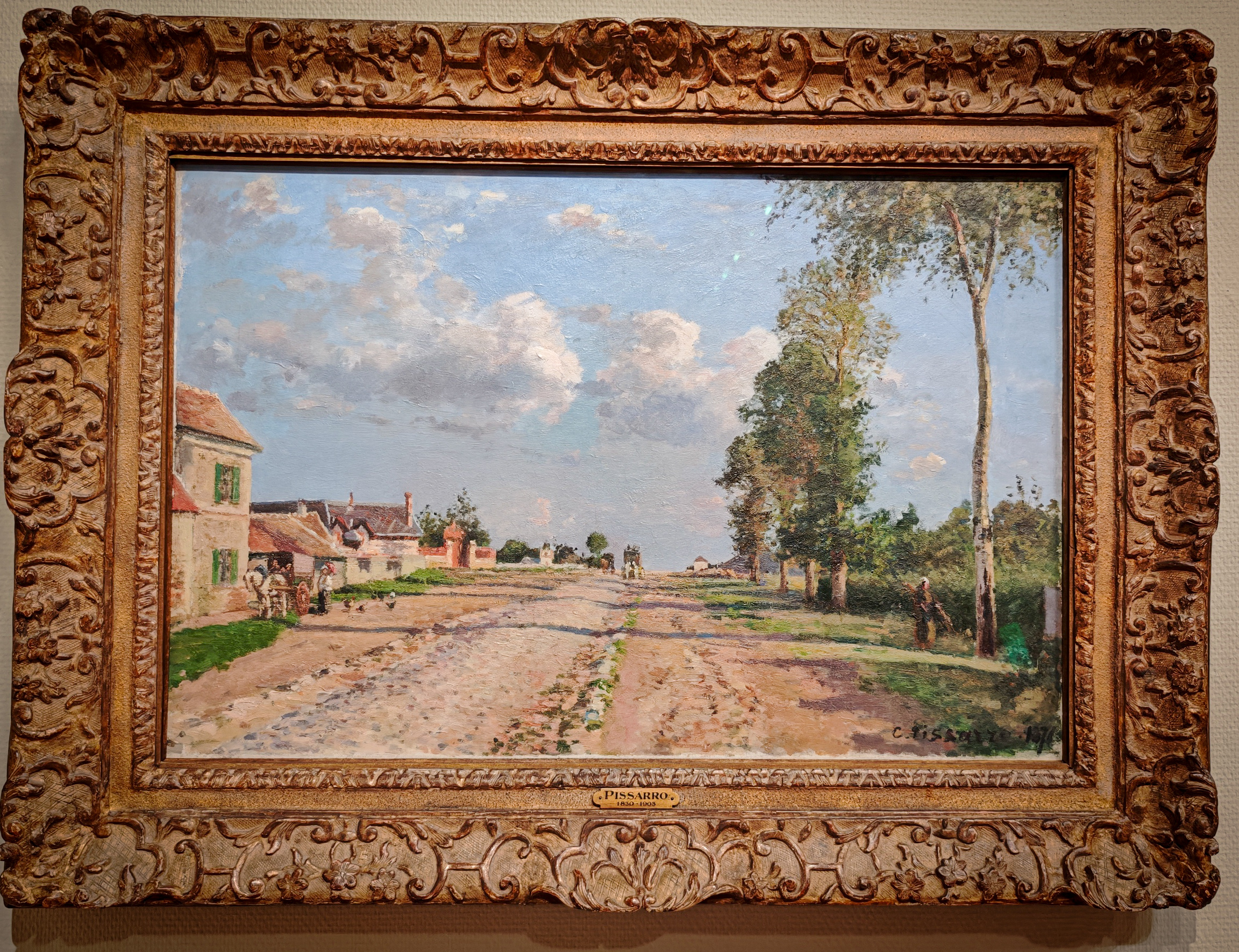
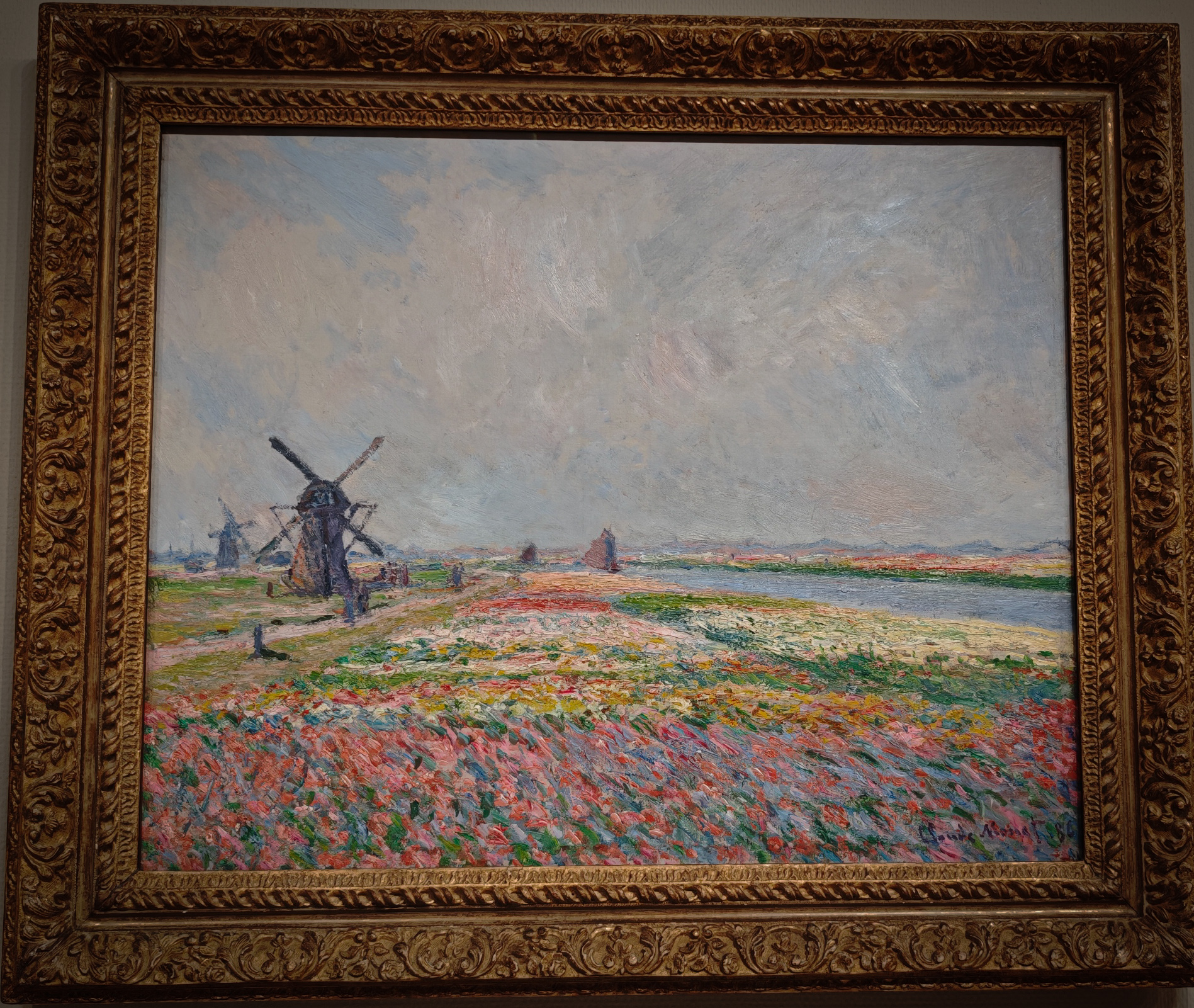
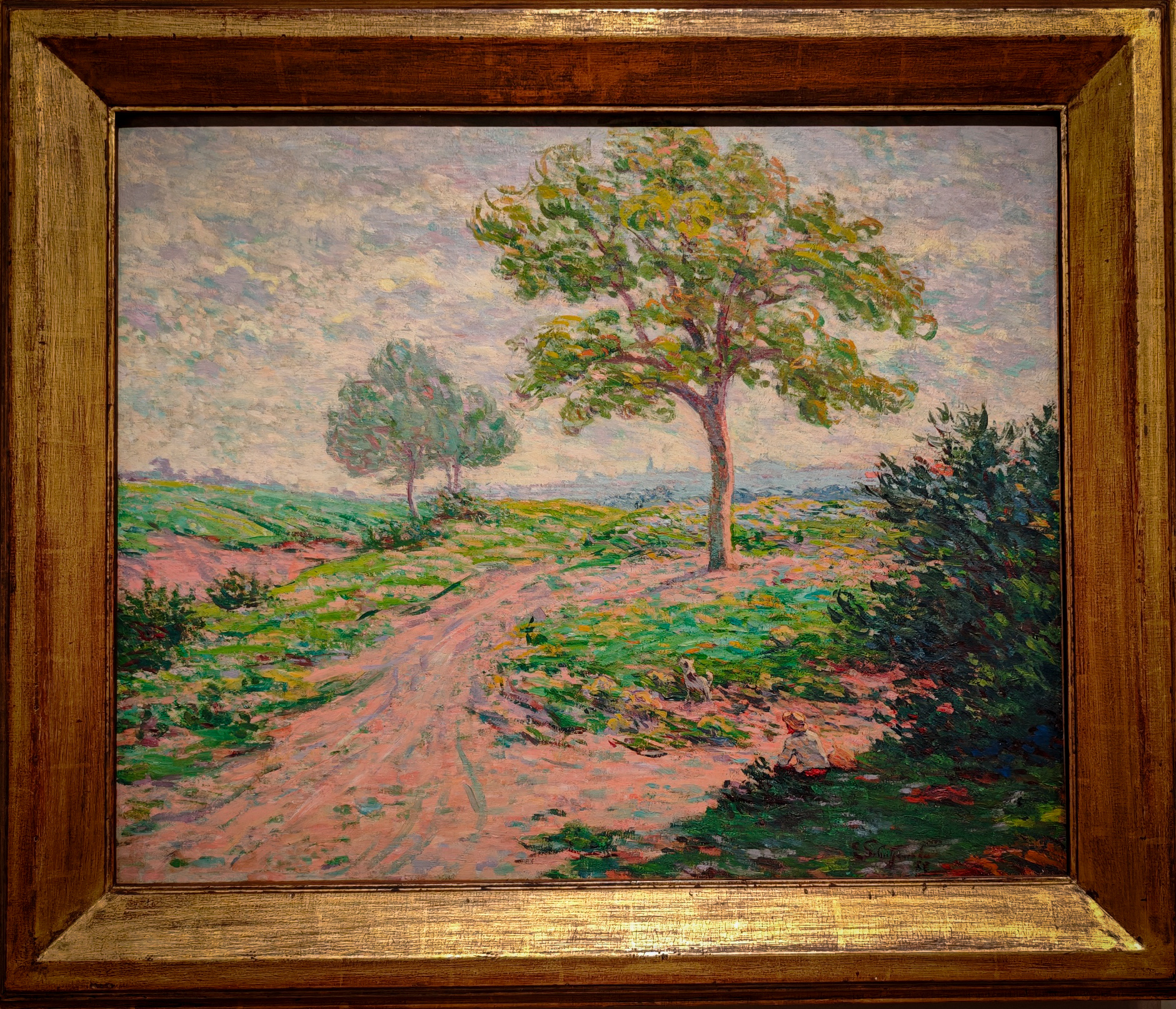
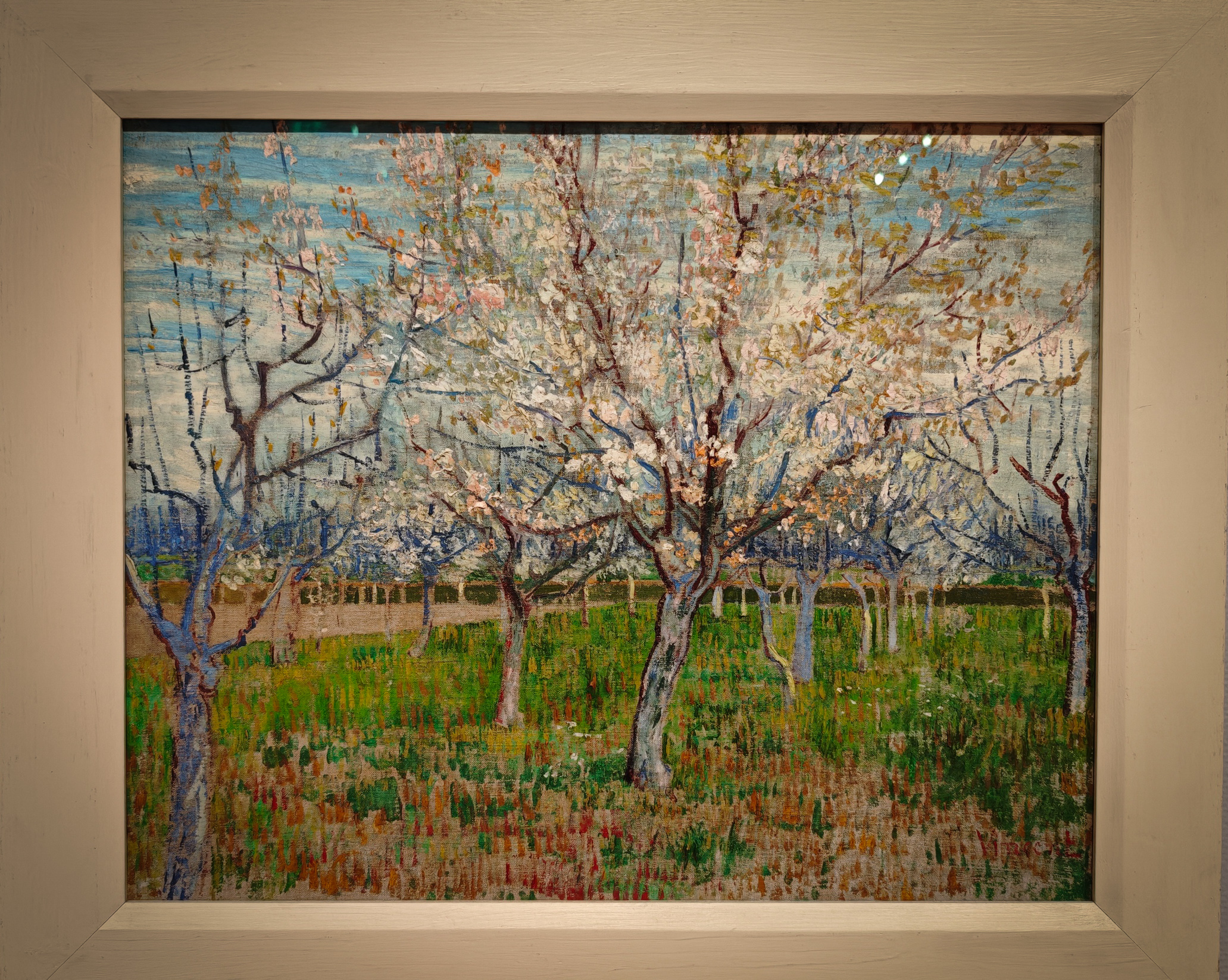
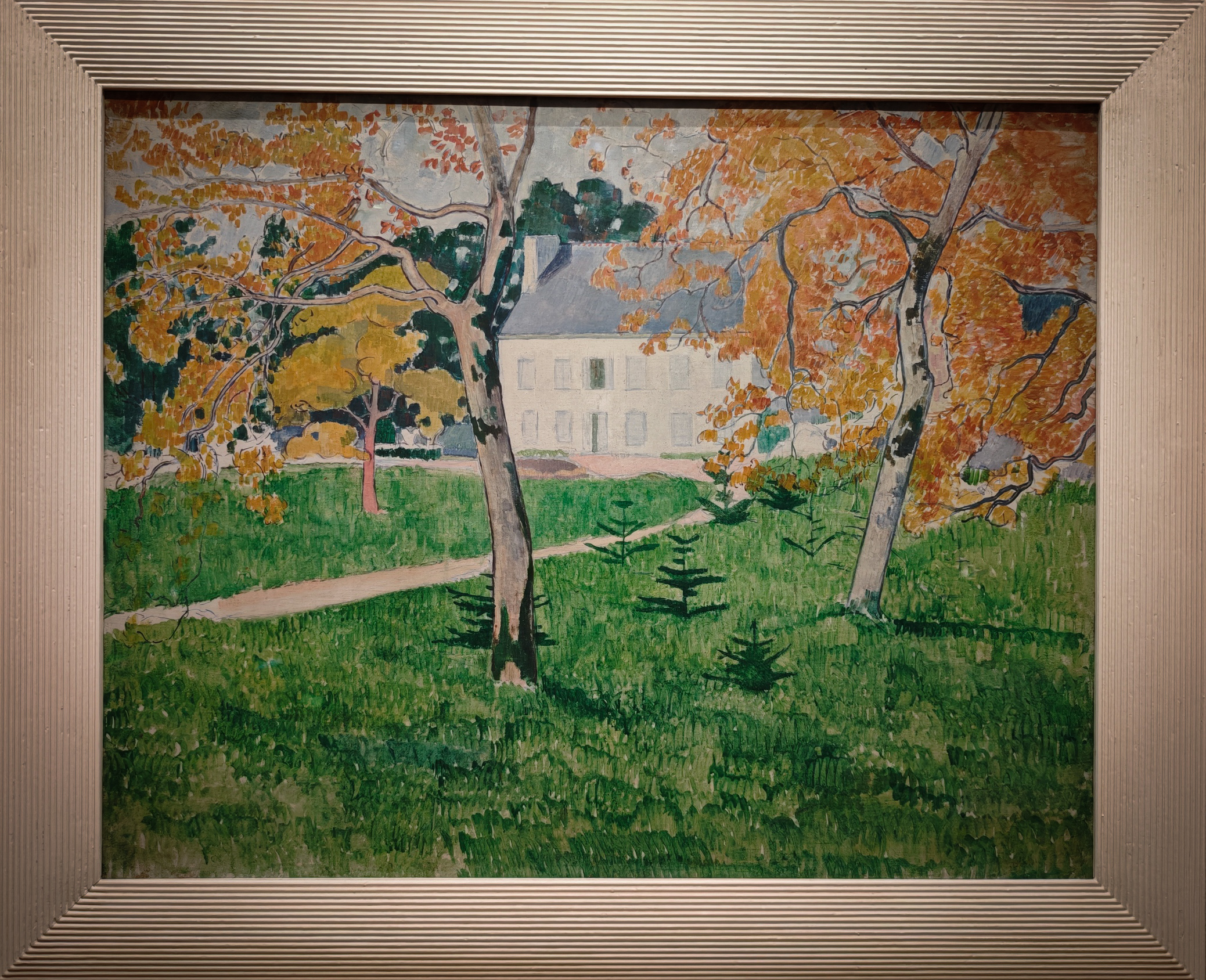
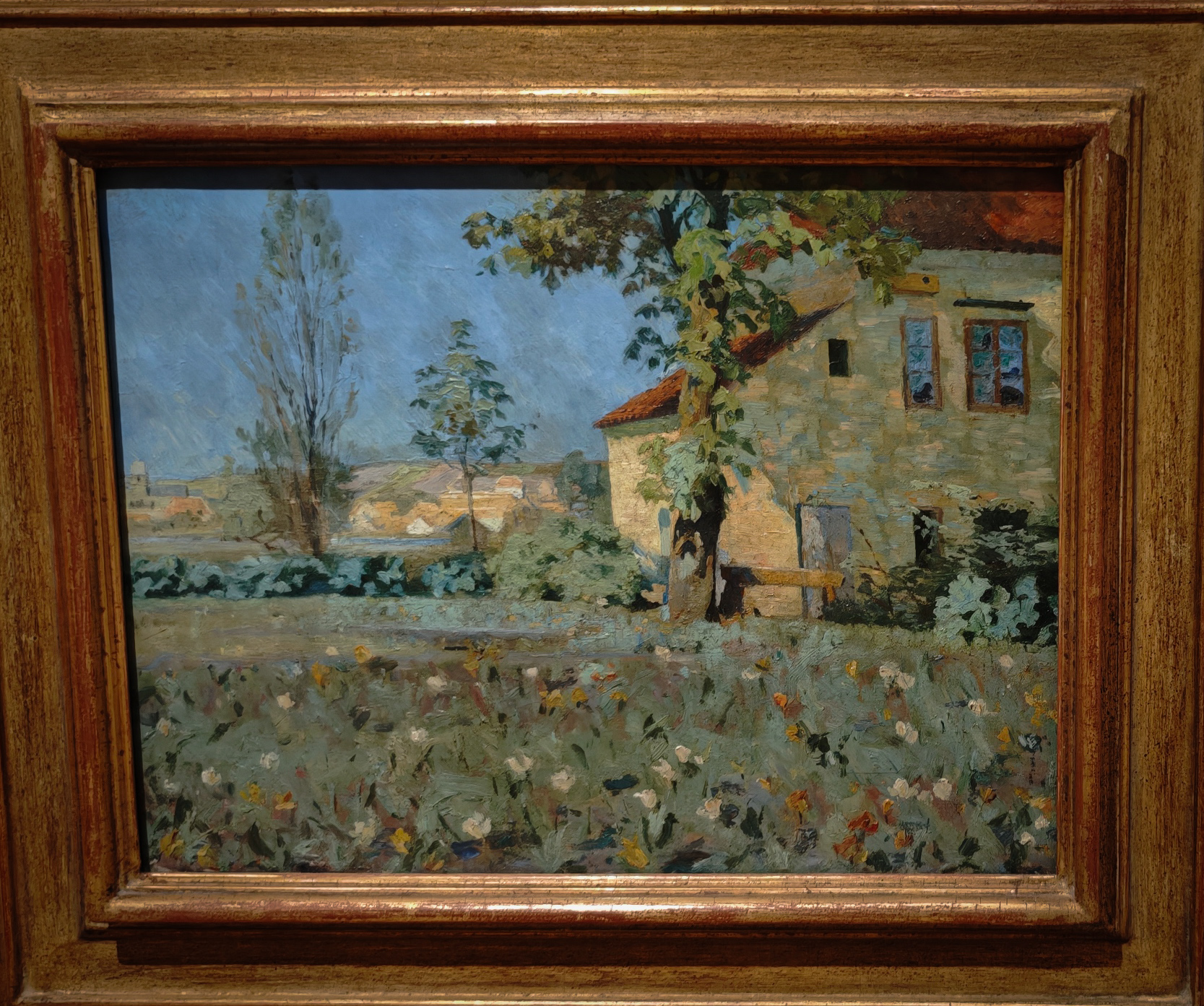
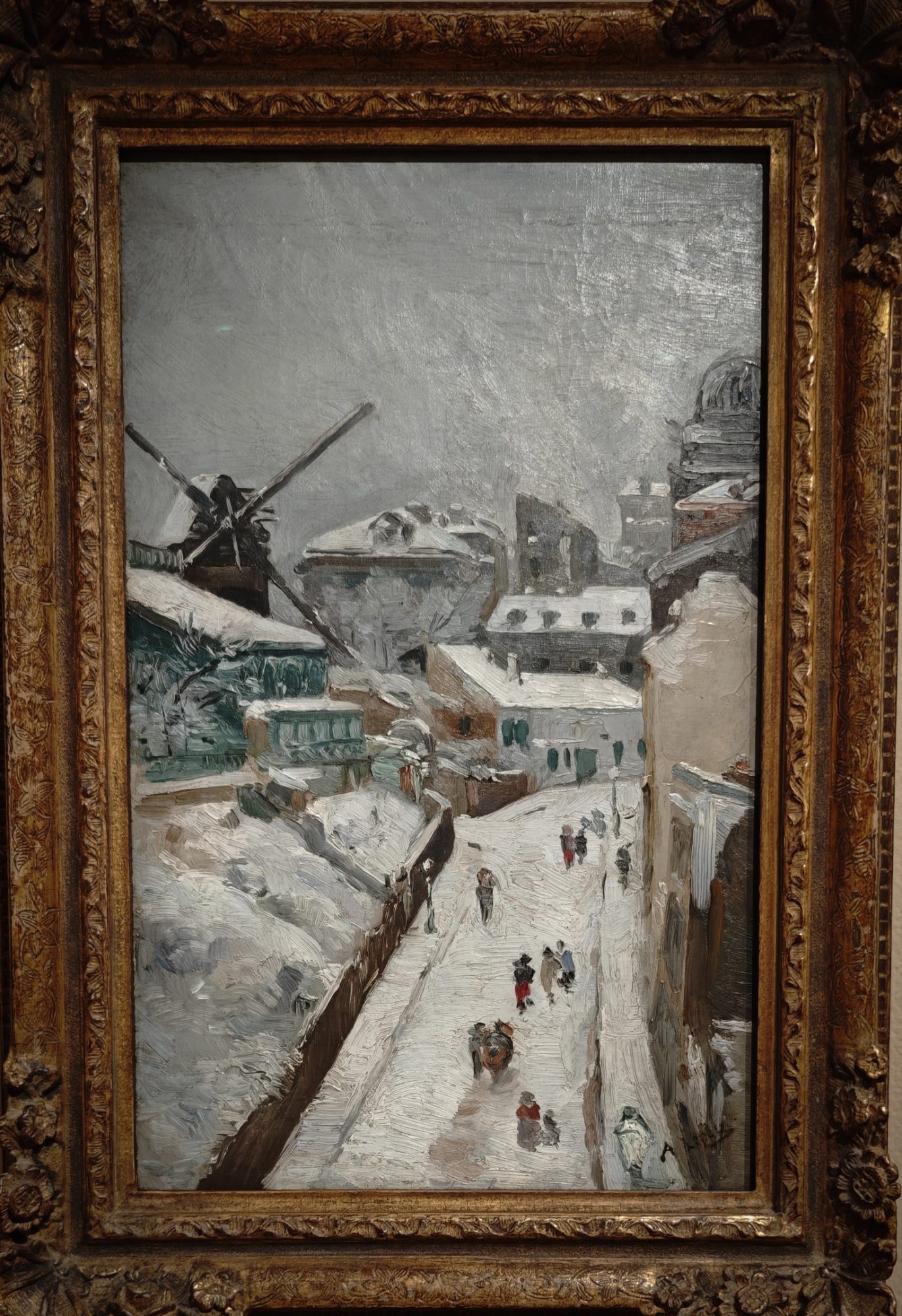
Landscapes
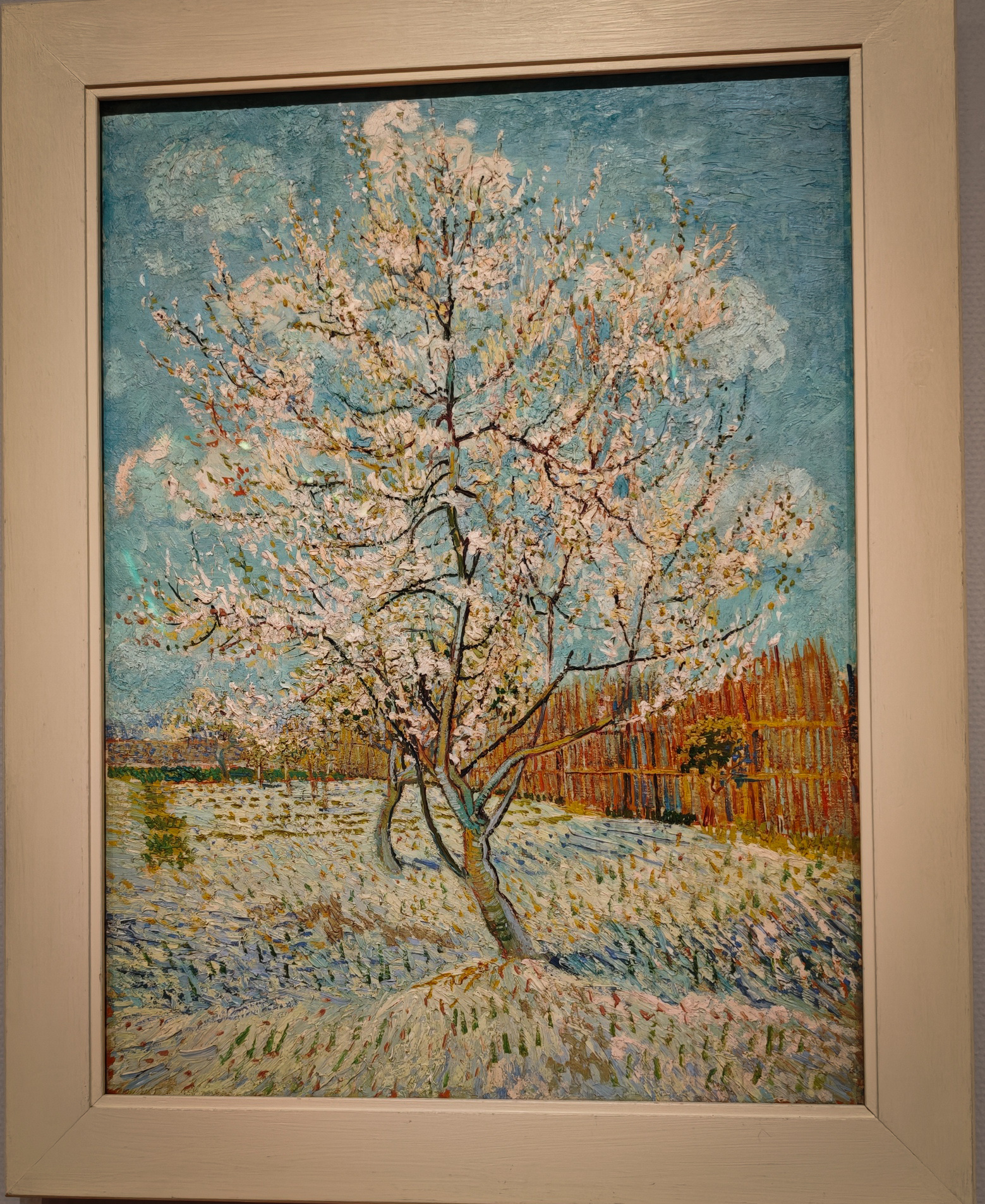
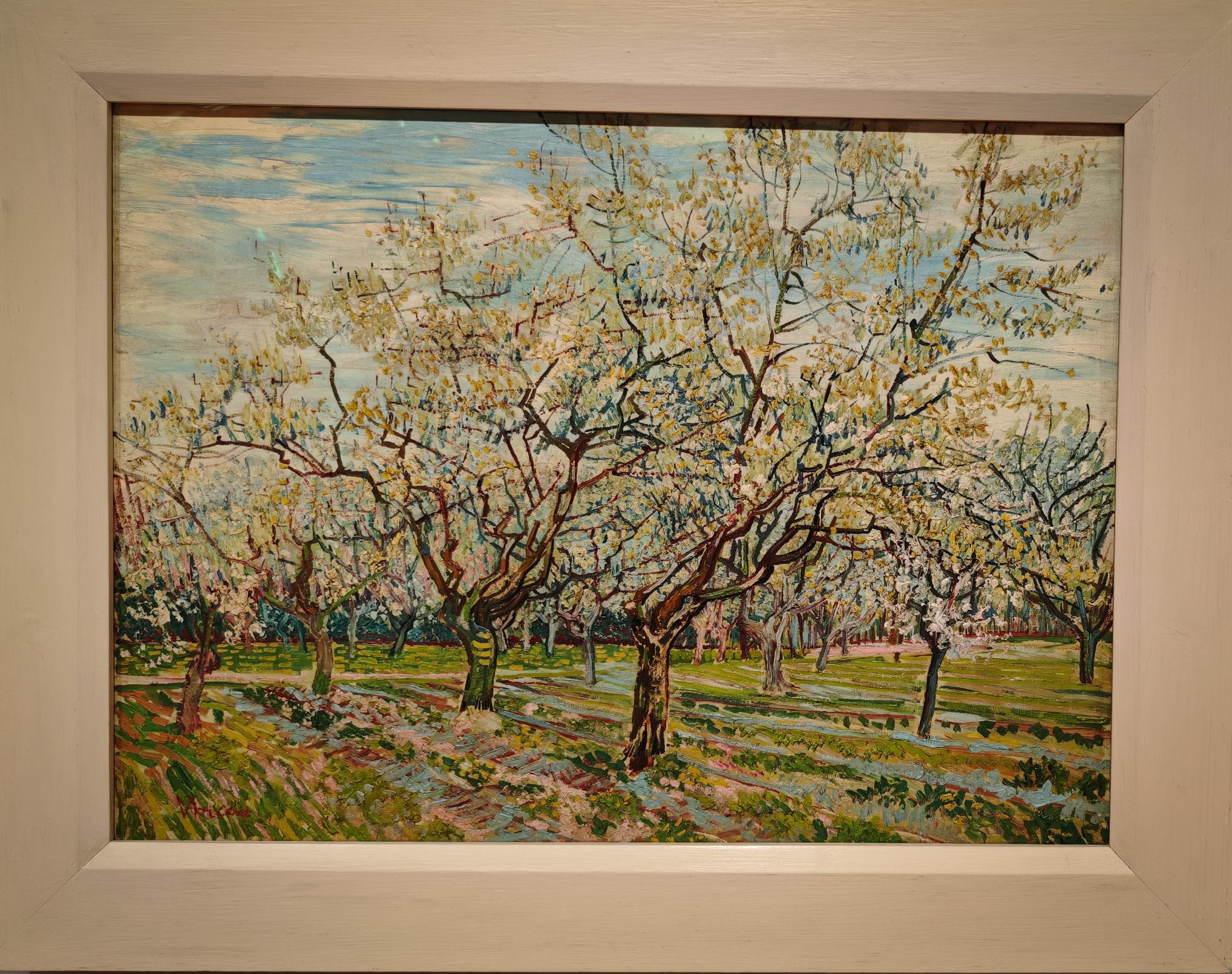
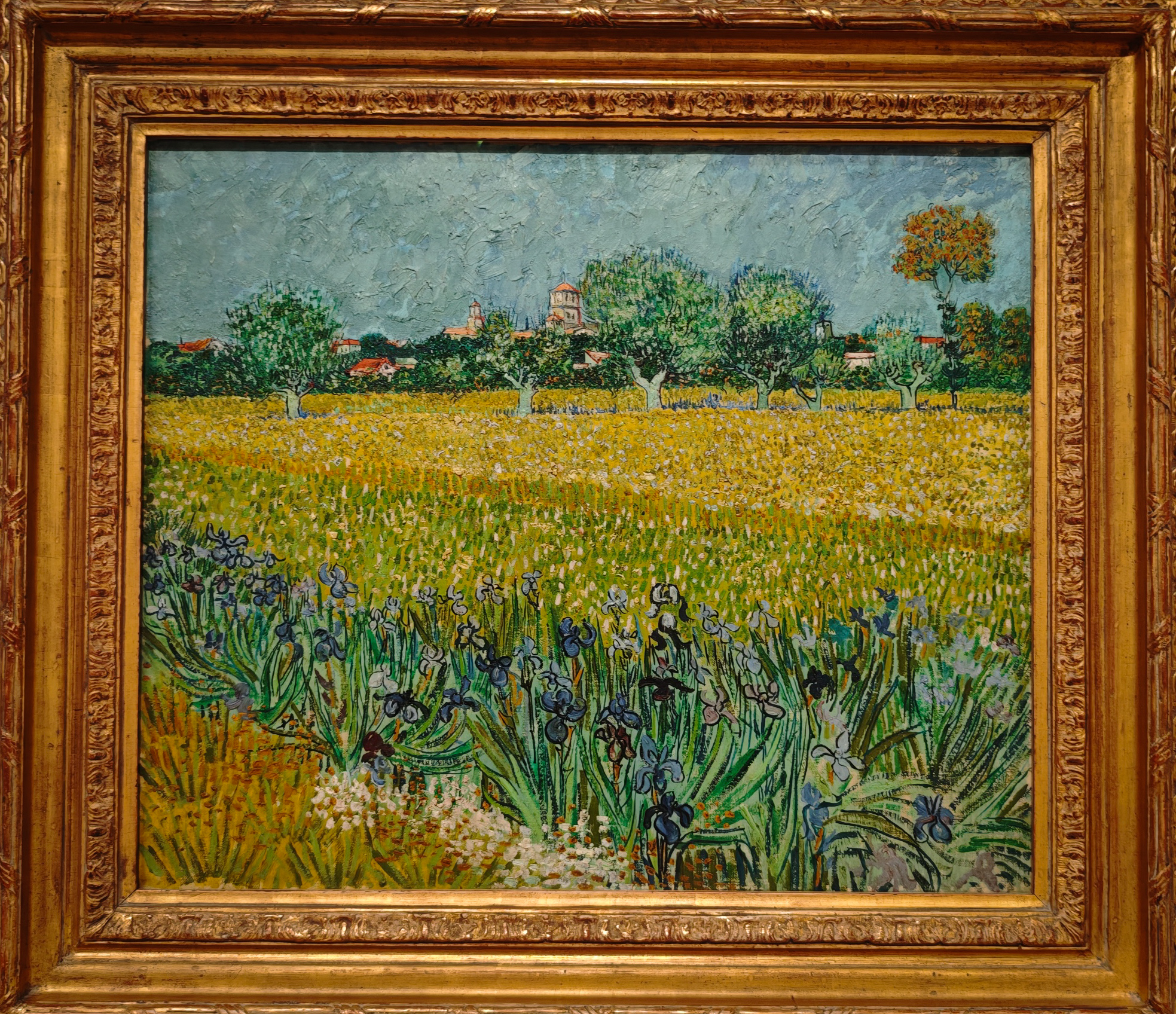
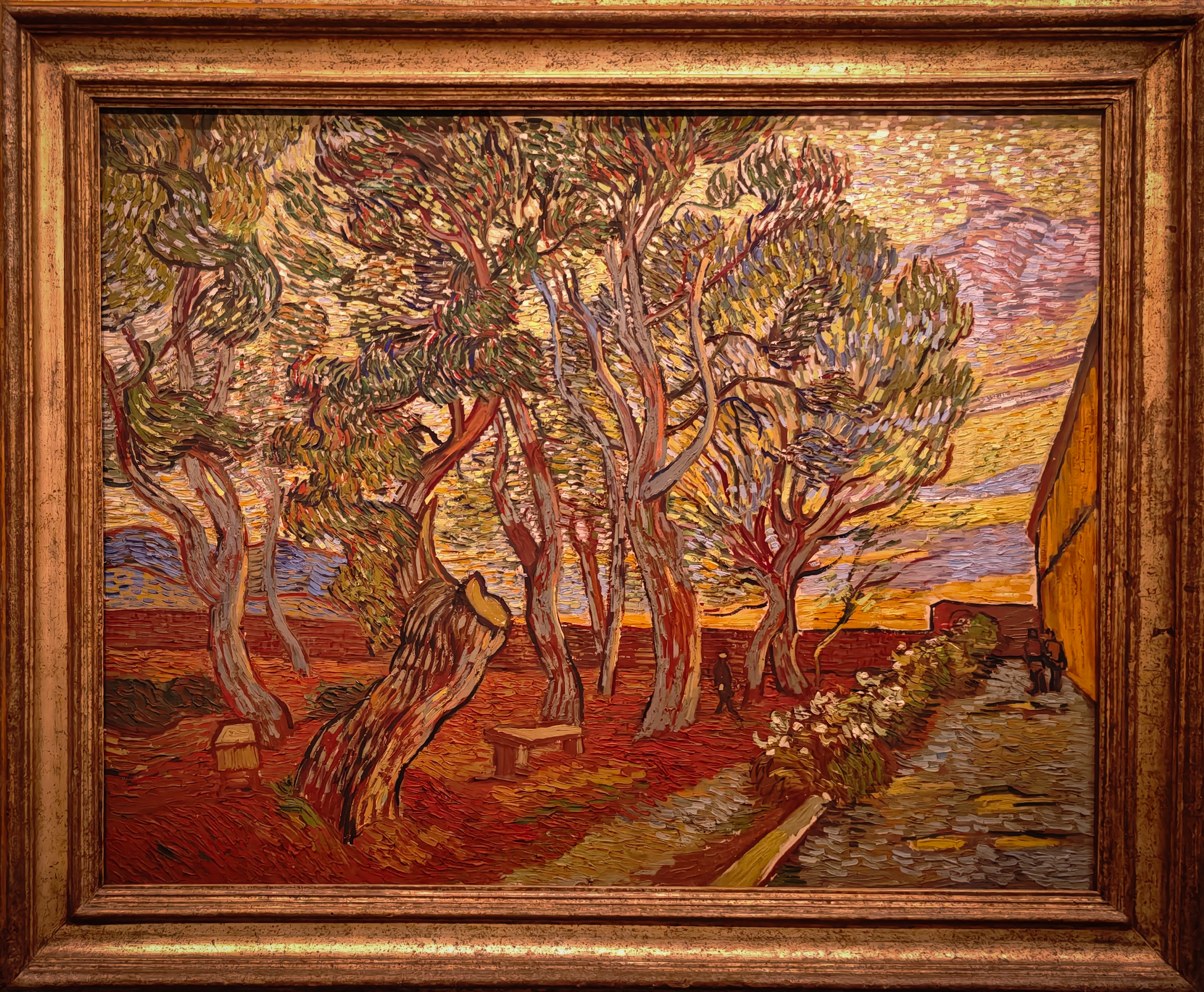
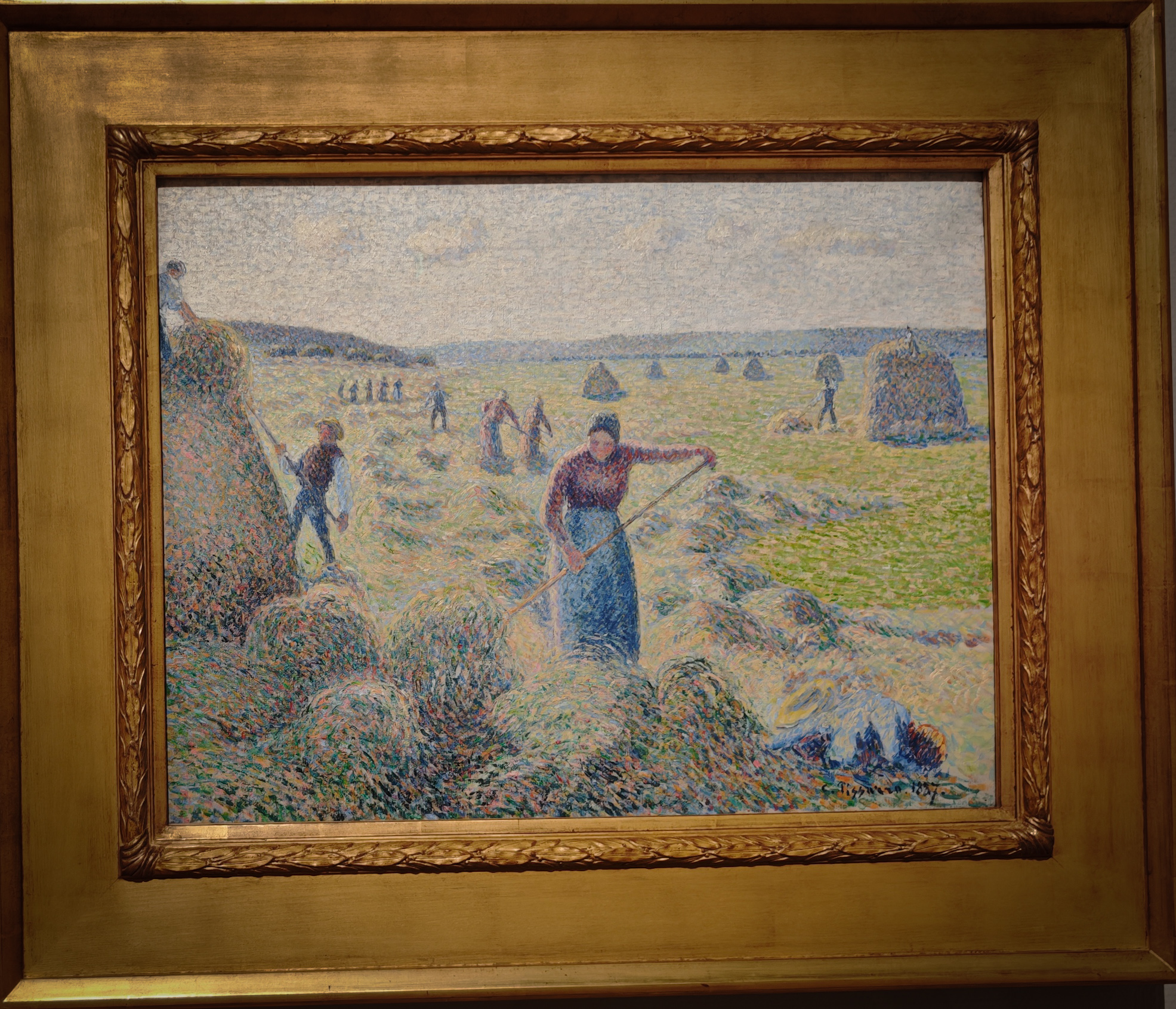
People
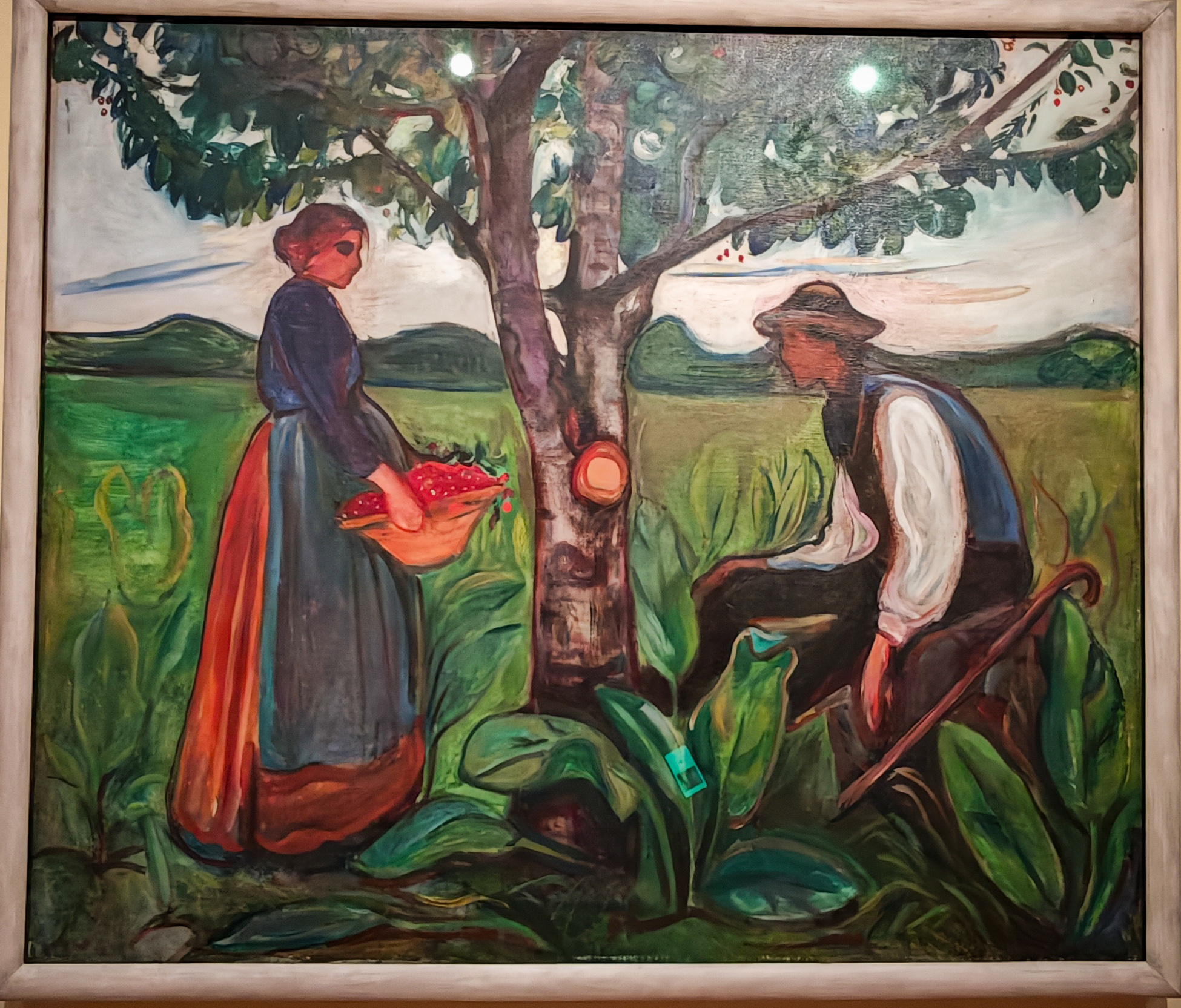
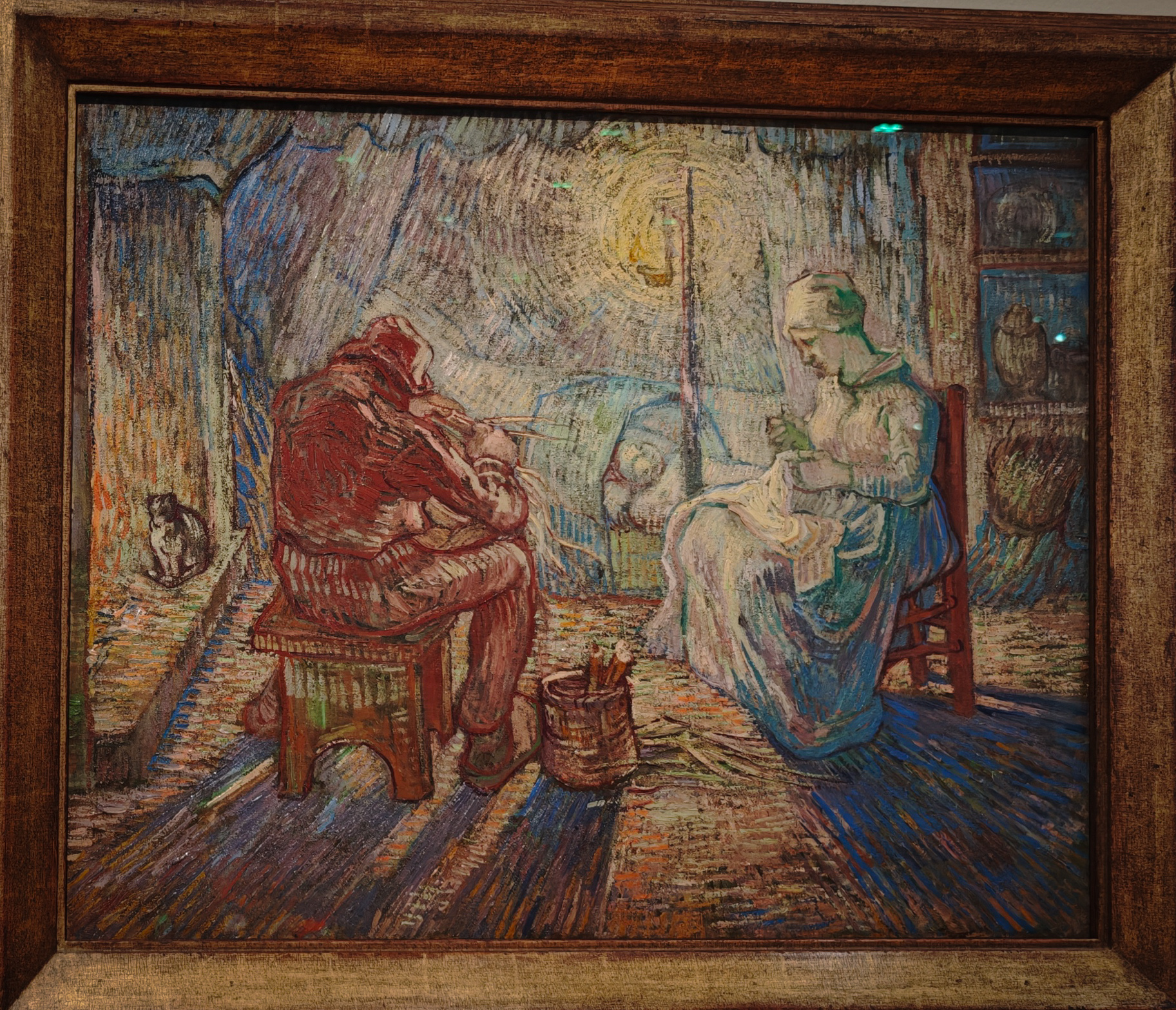
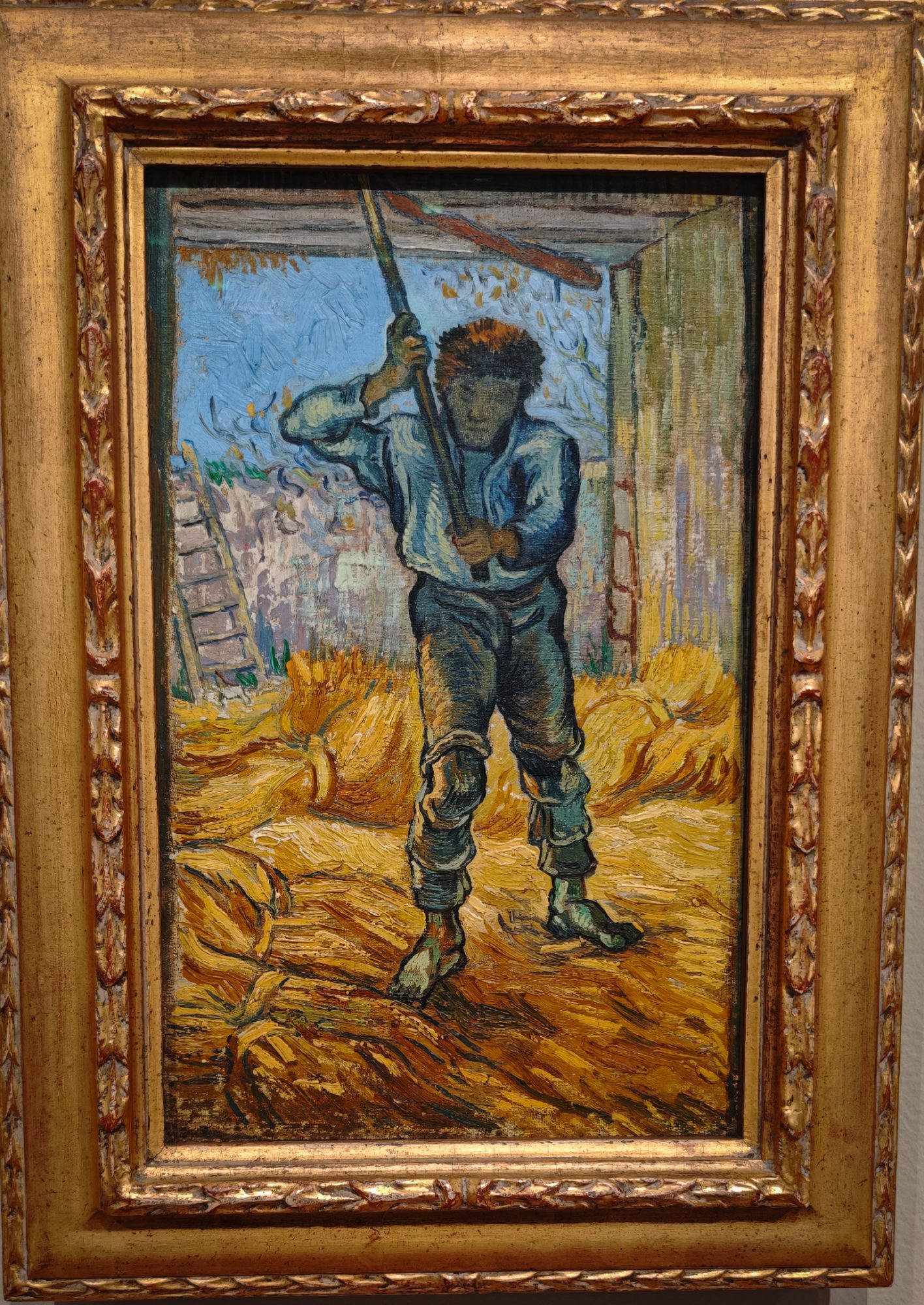
Fruits and Vegetables
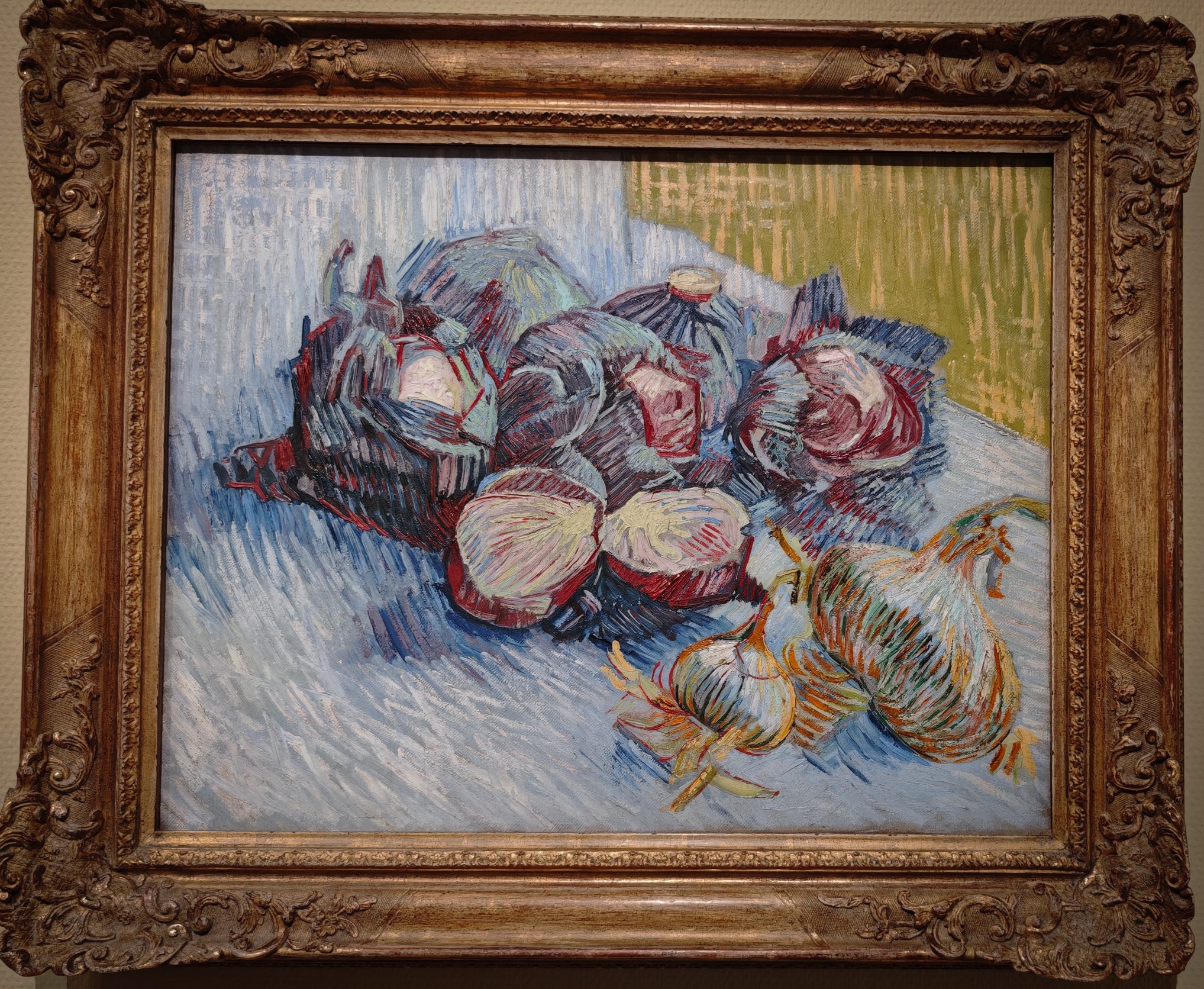
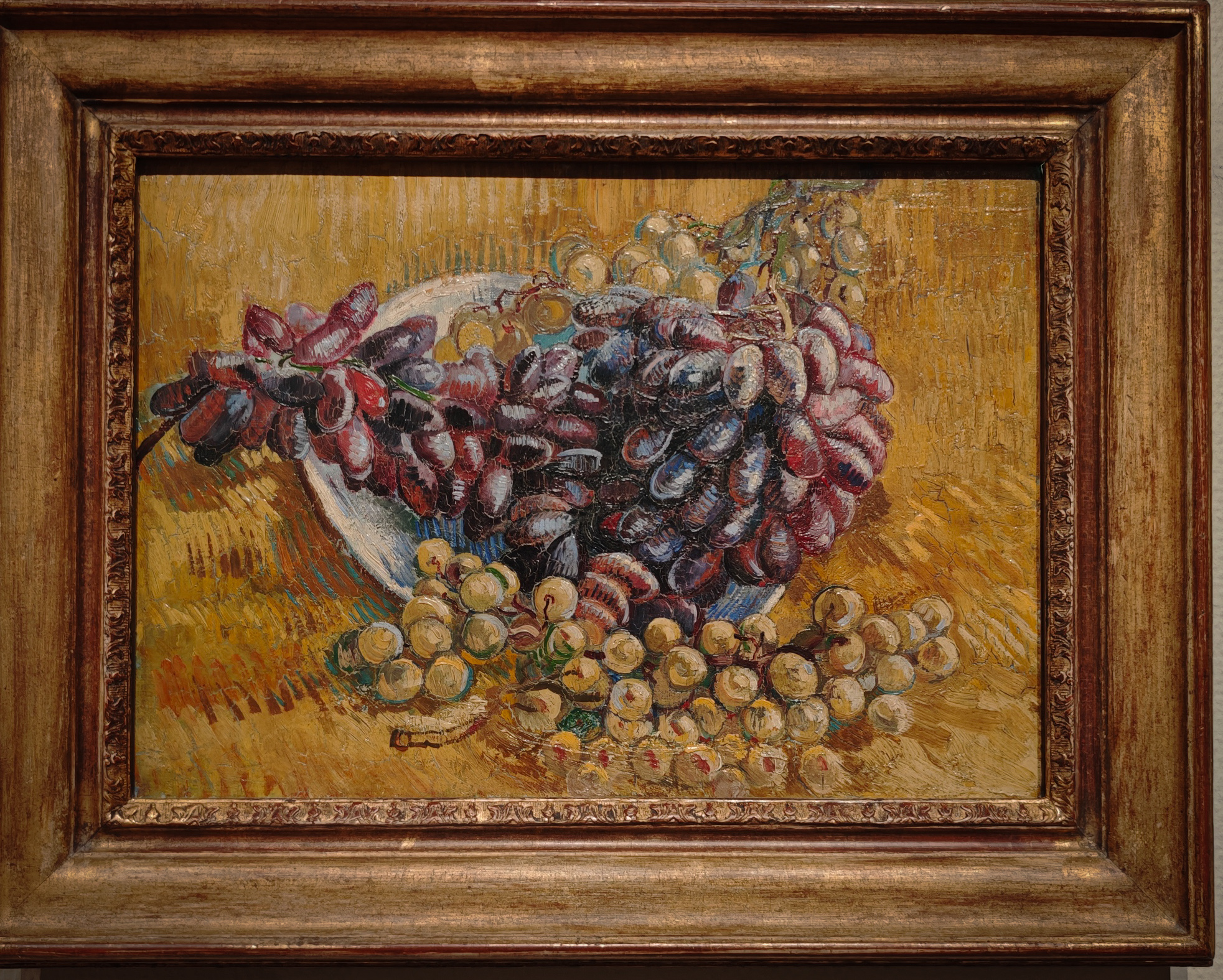
Intriguing
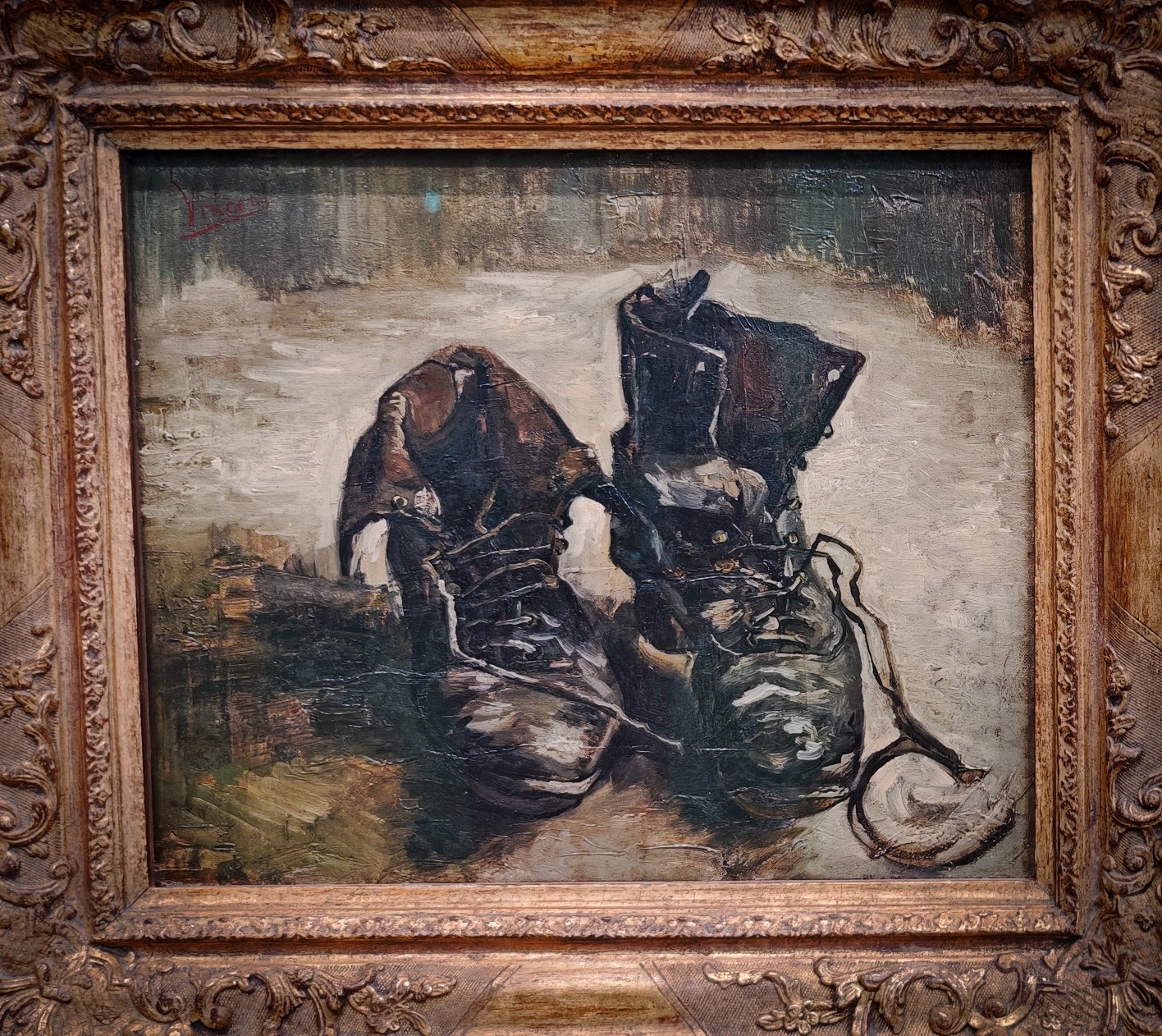
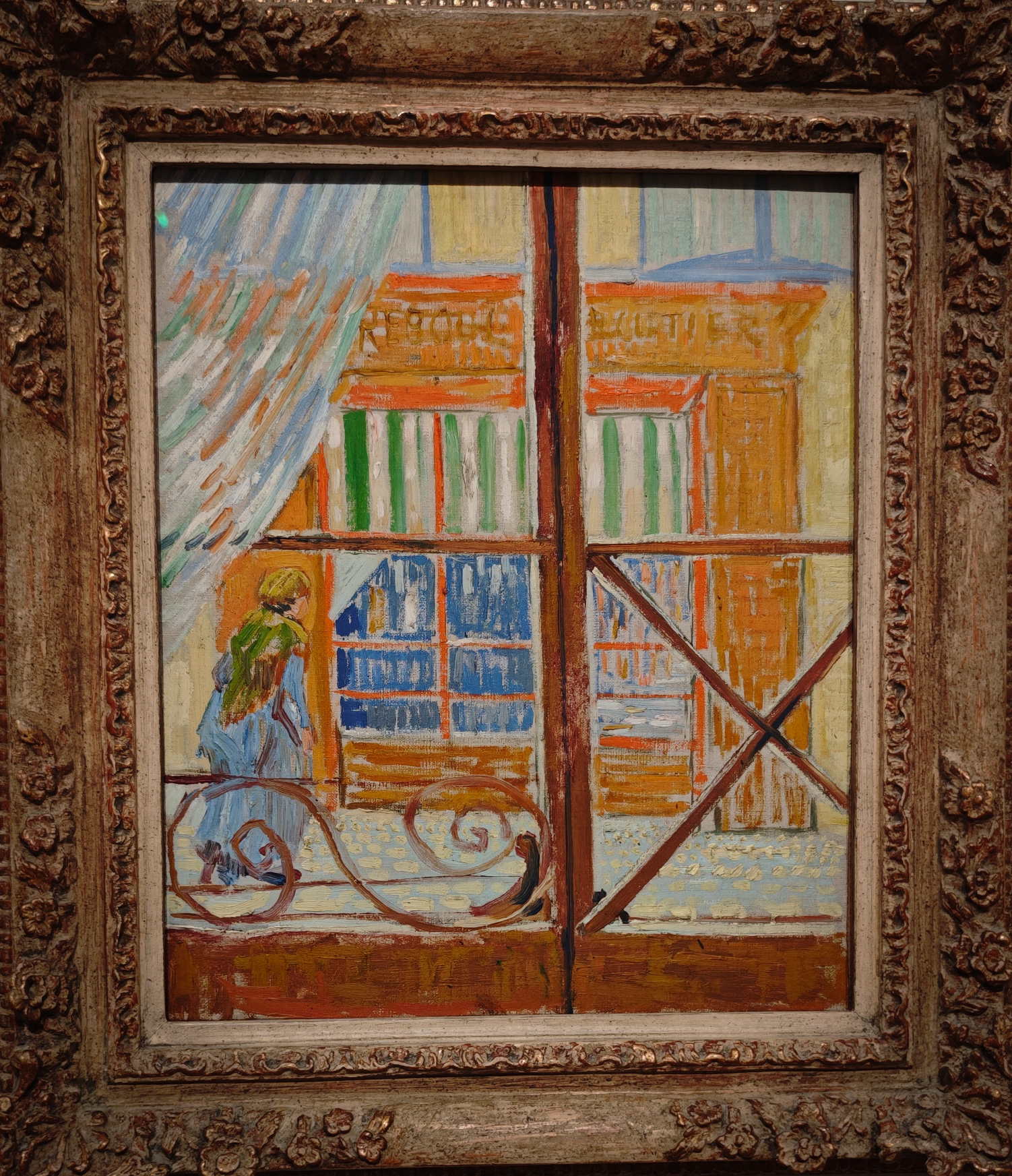
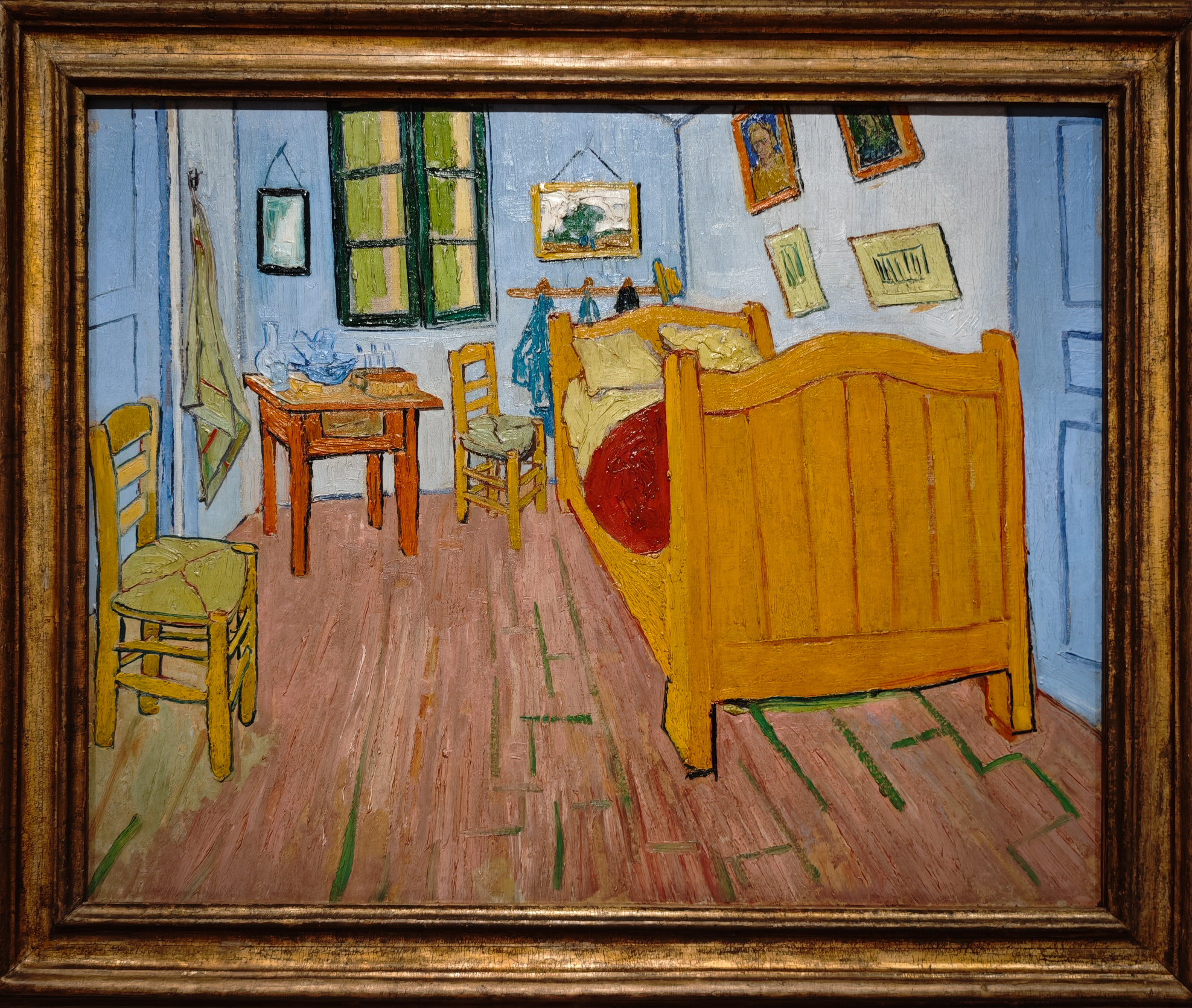
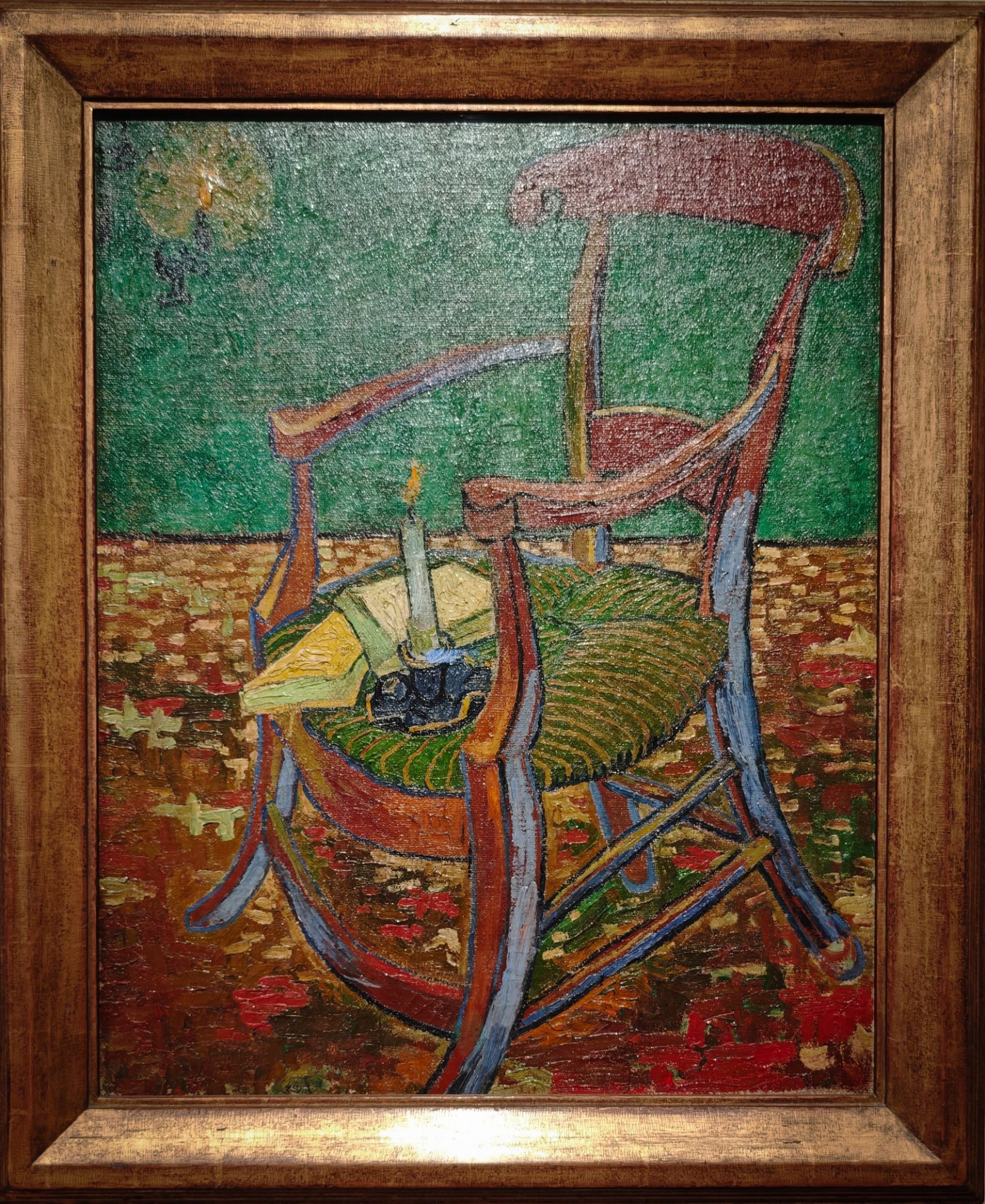
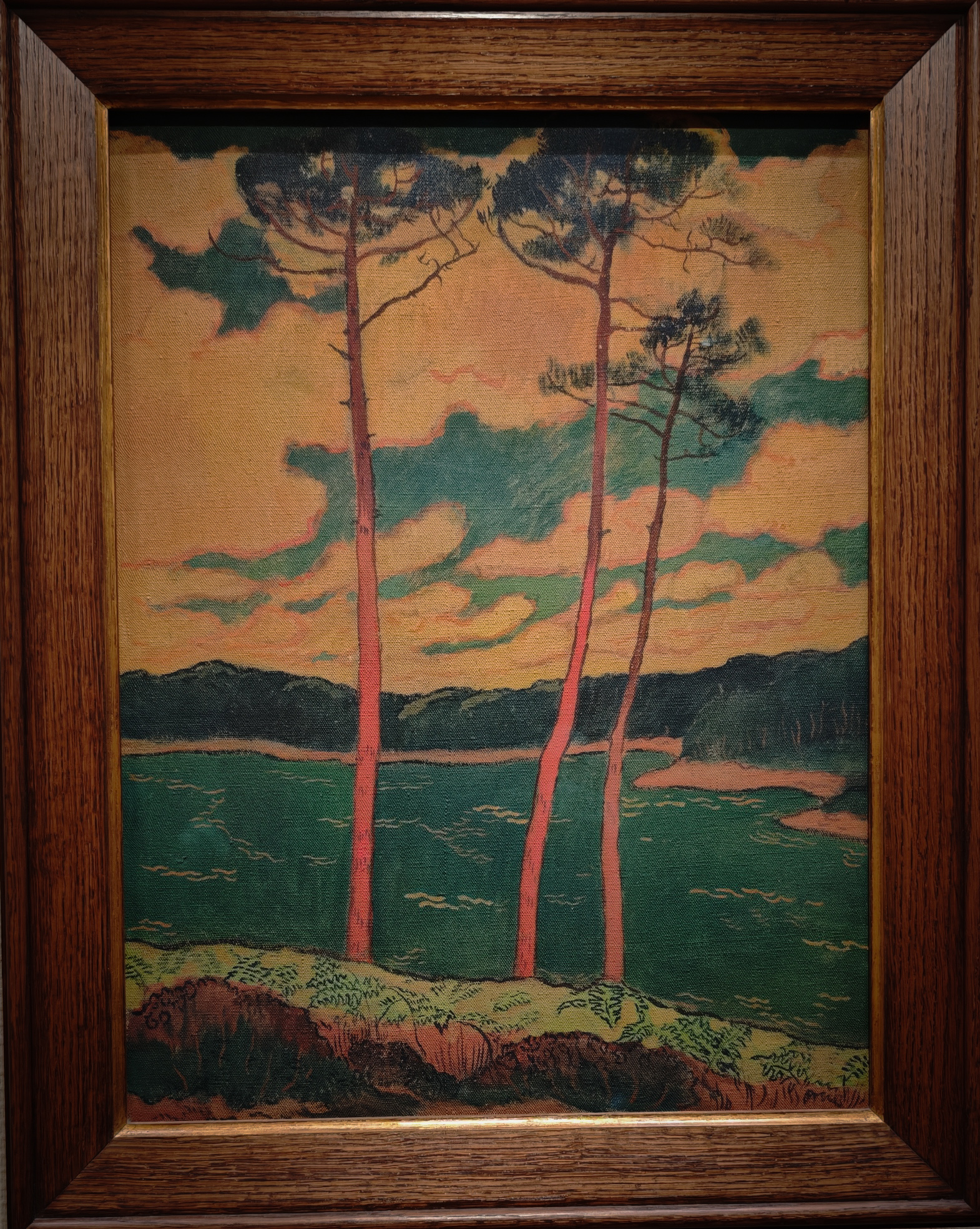
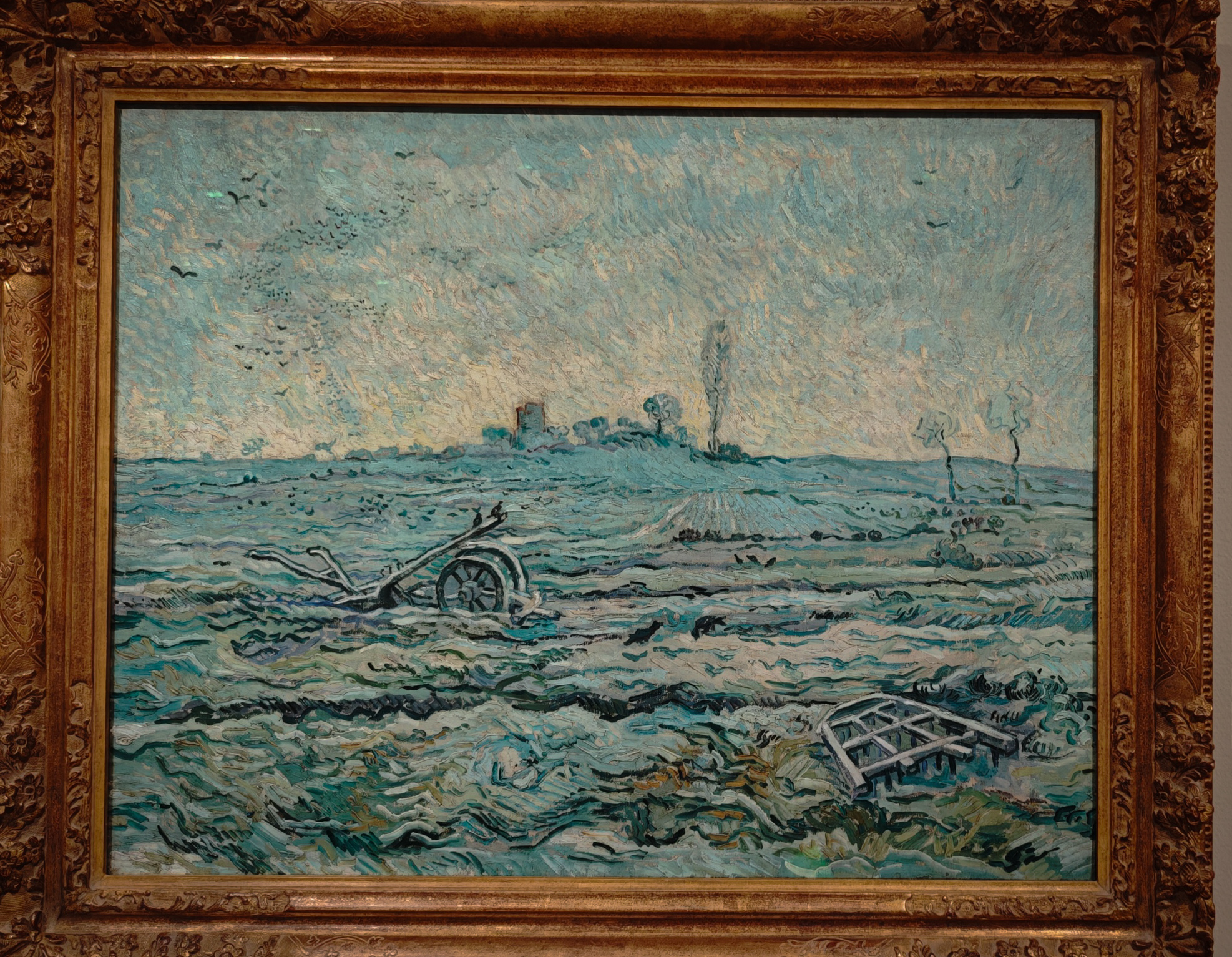
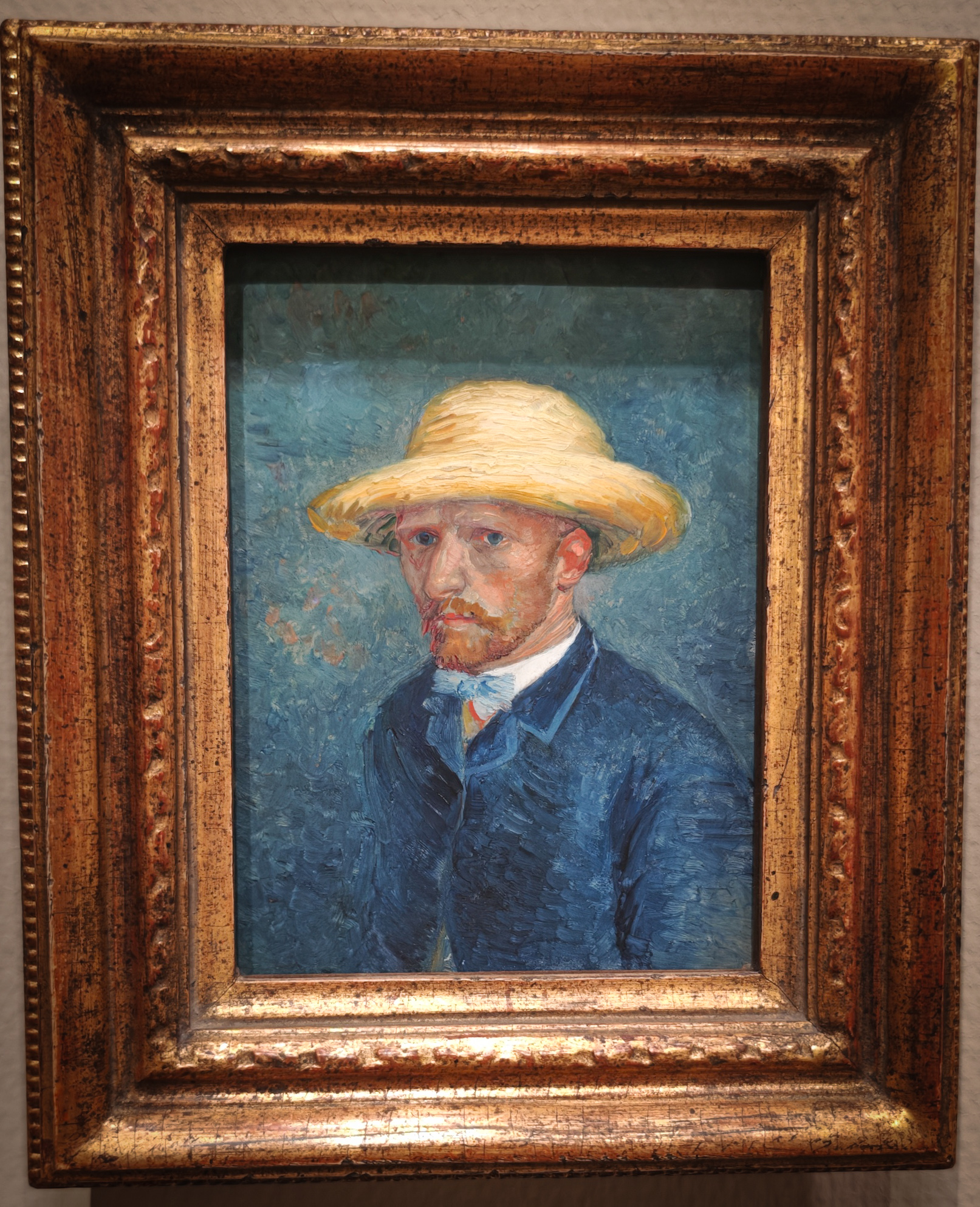
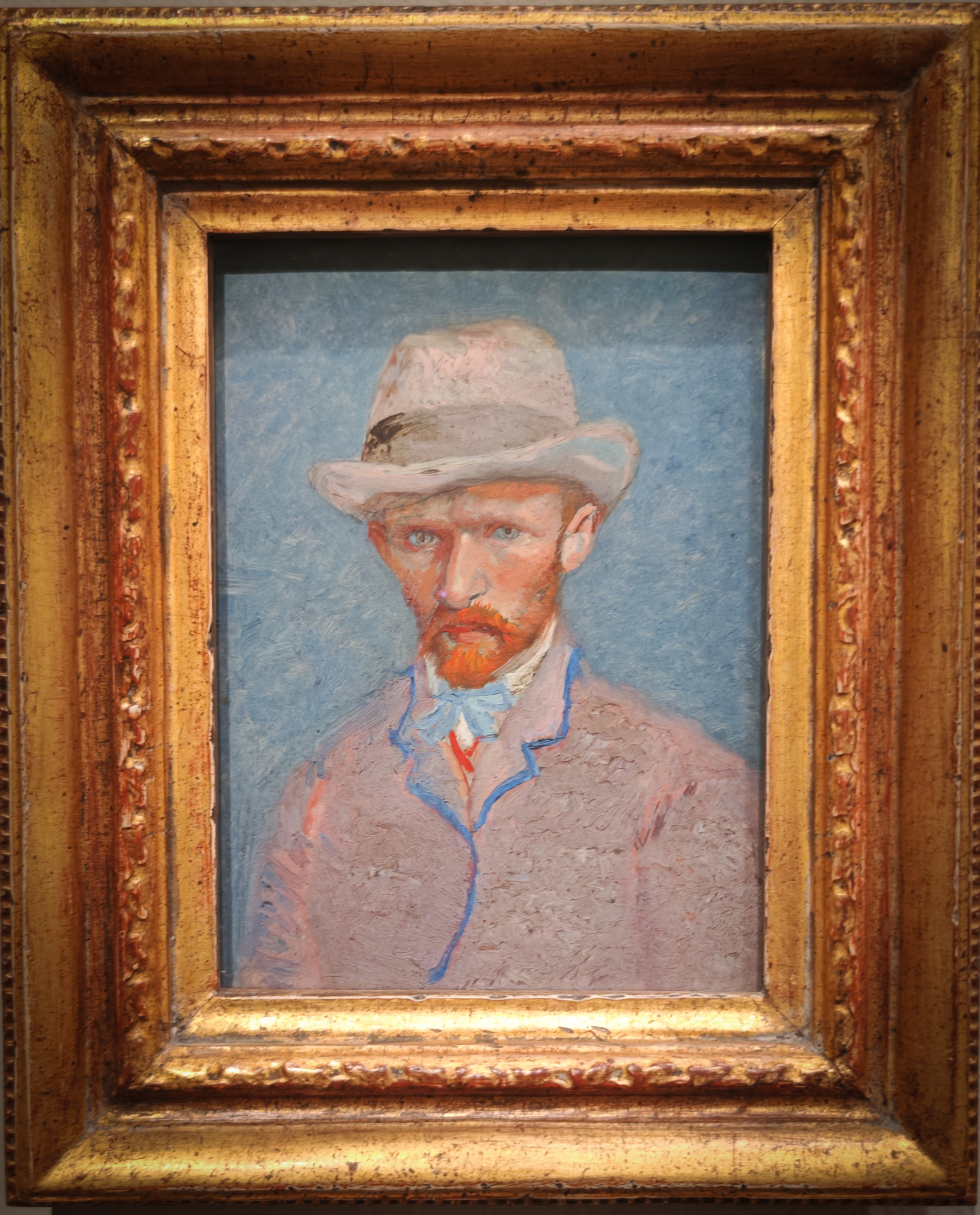
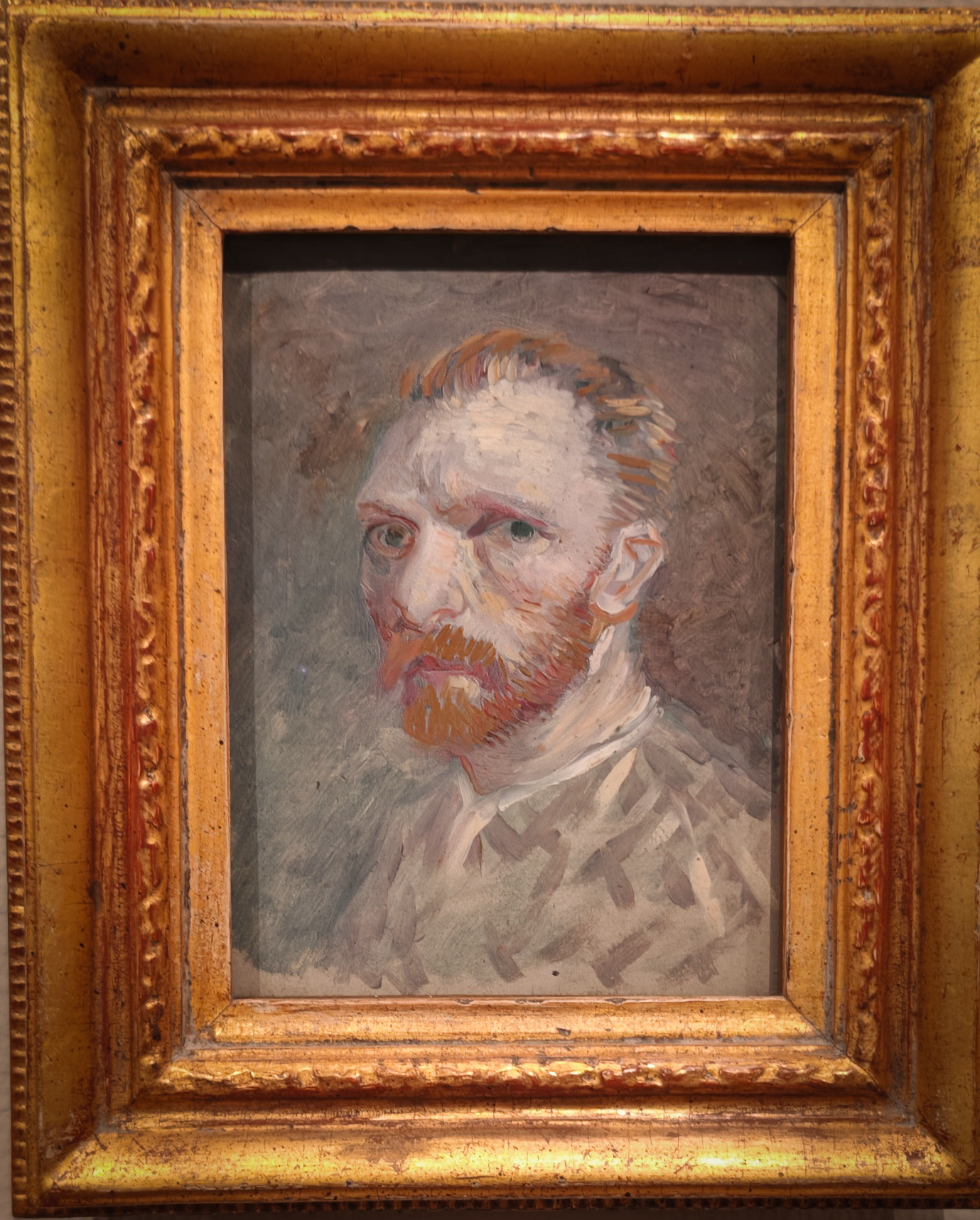
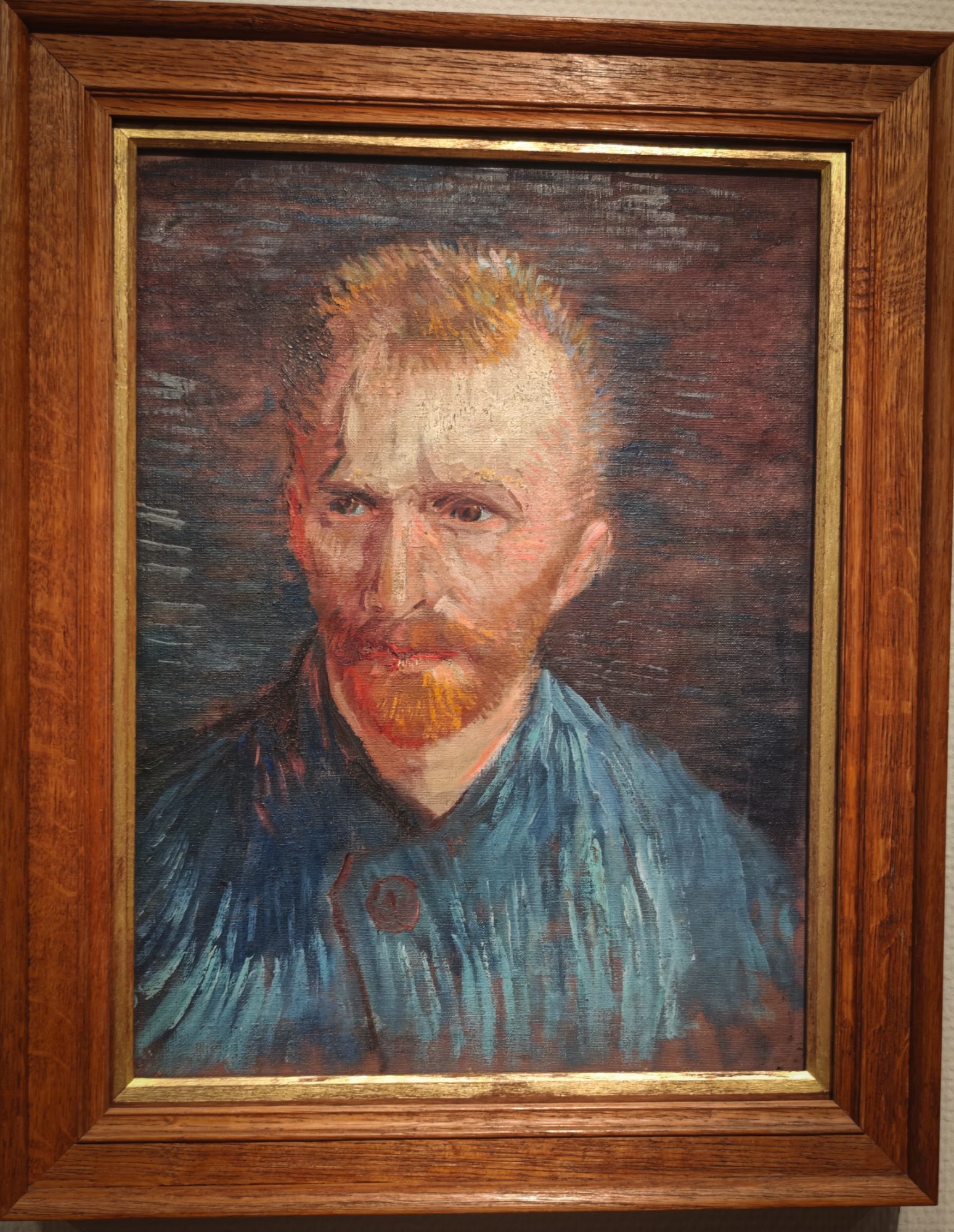
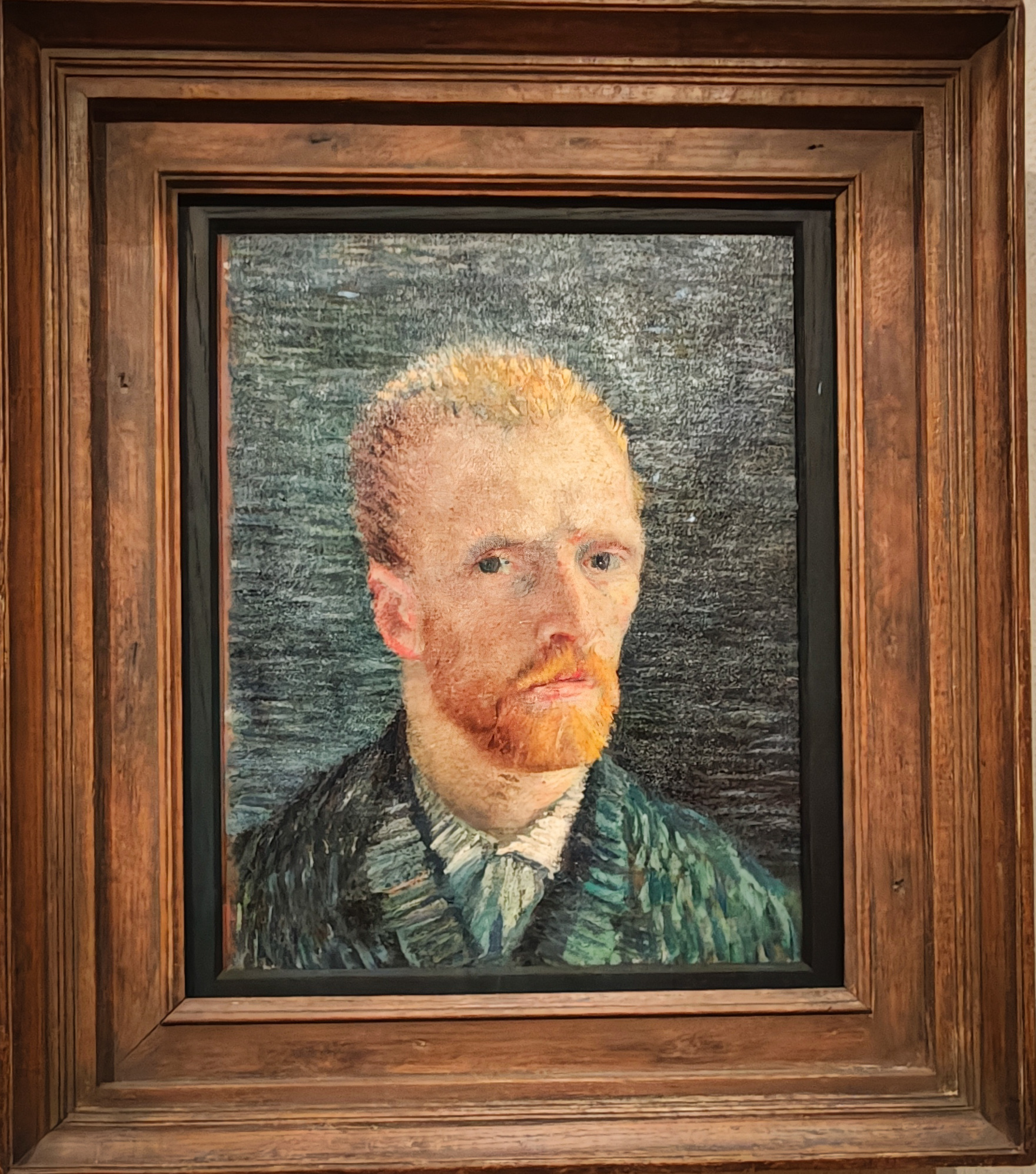
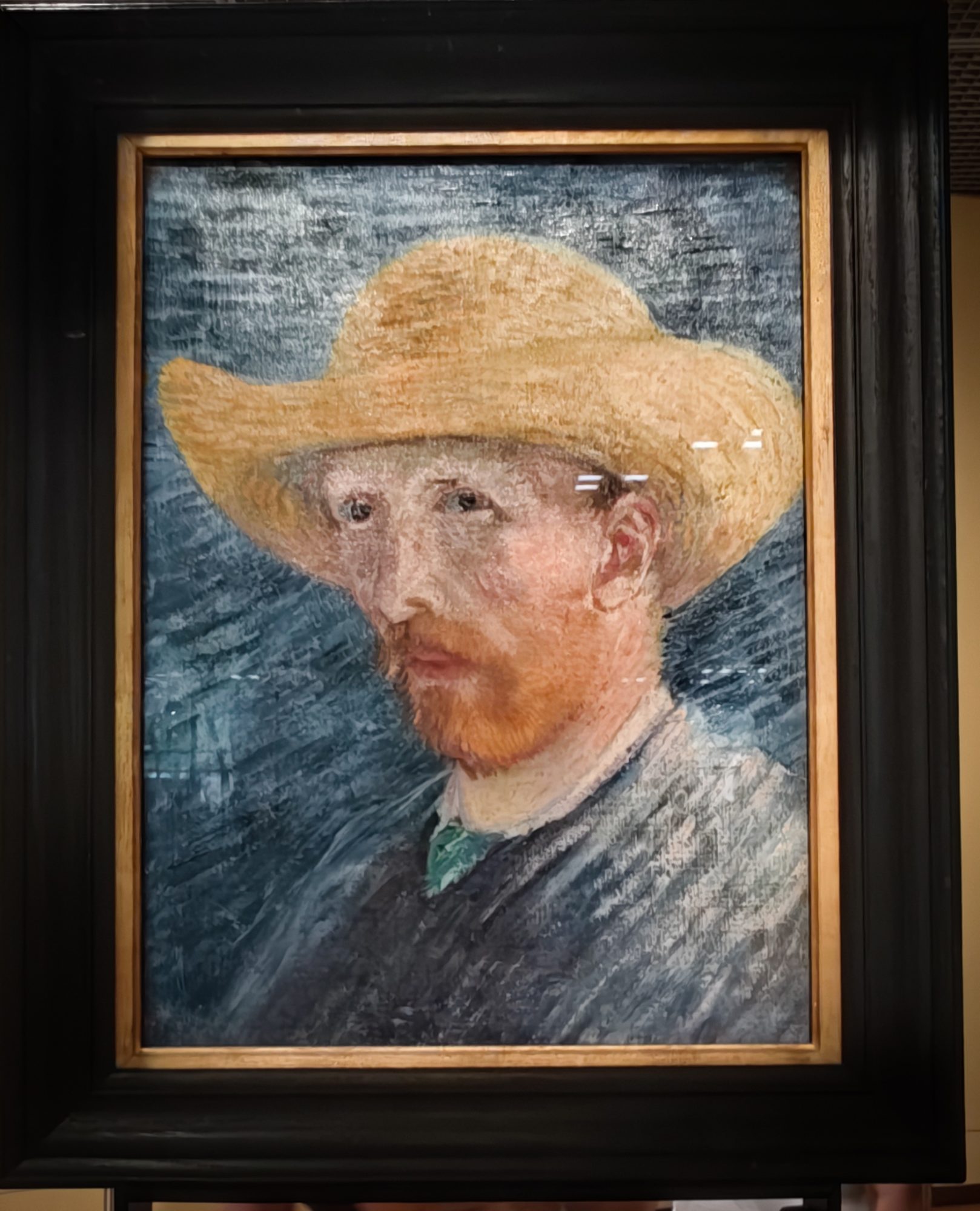
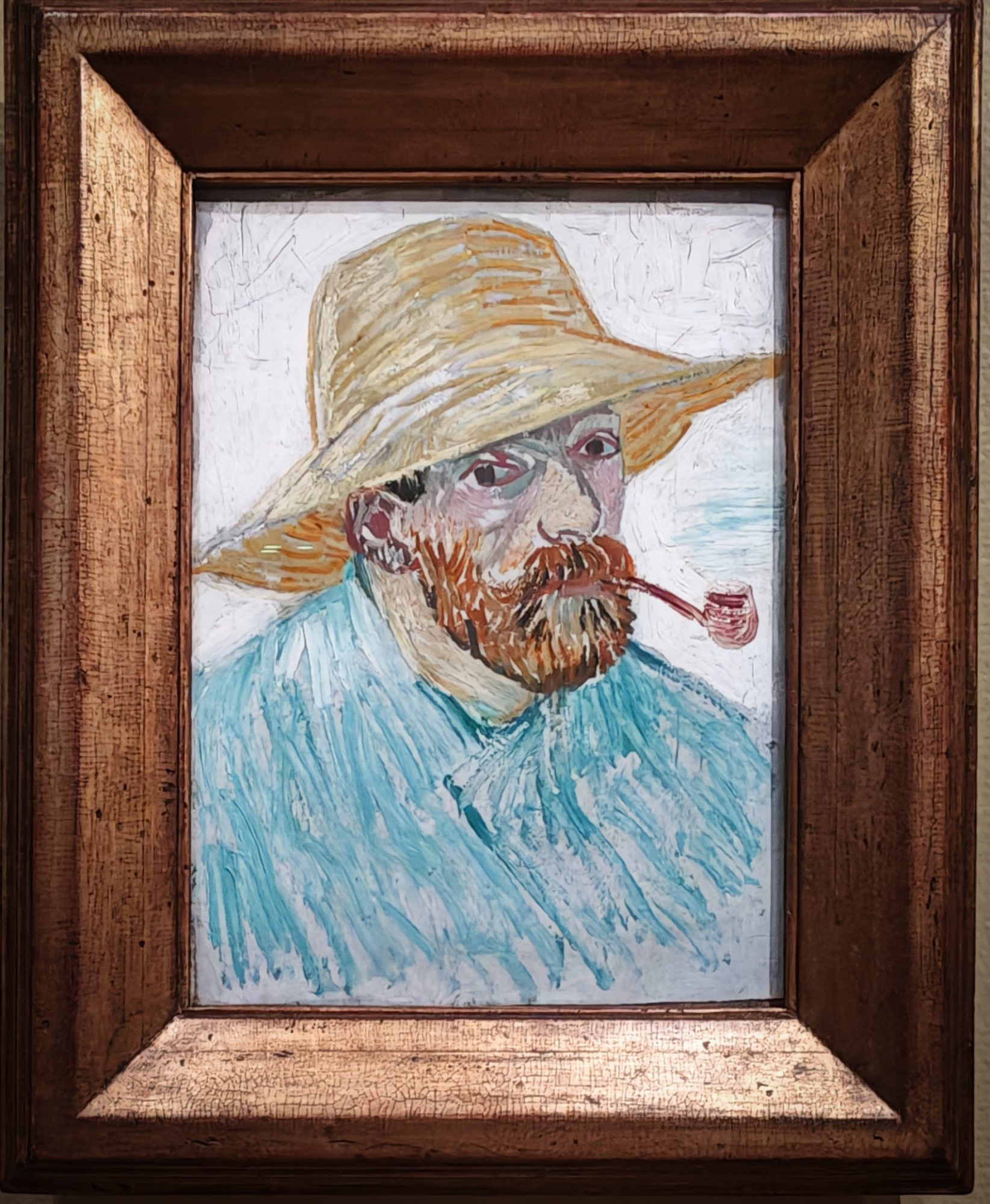
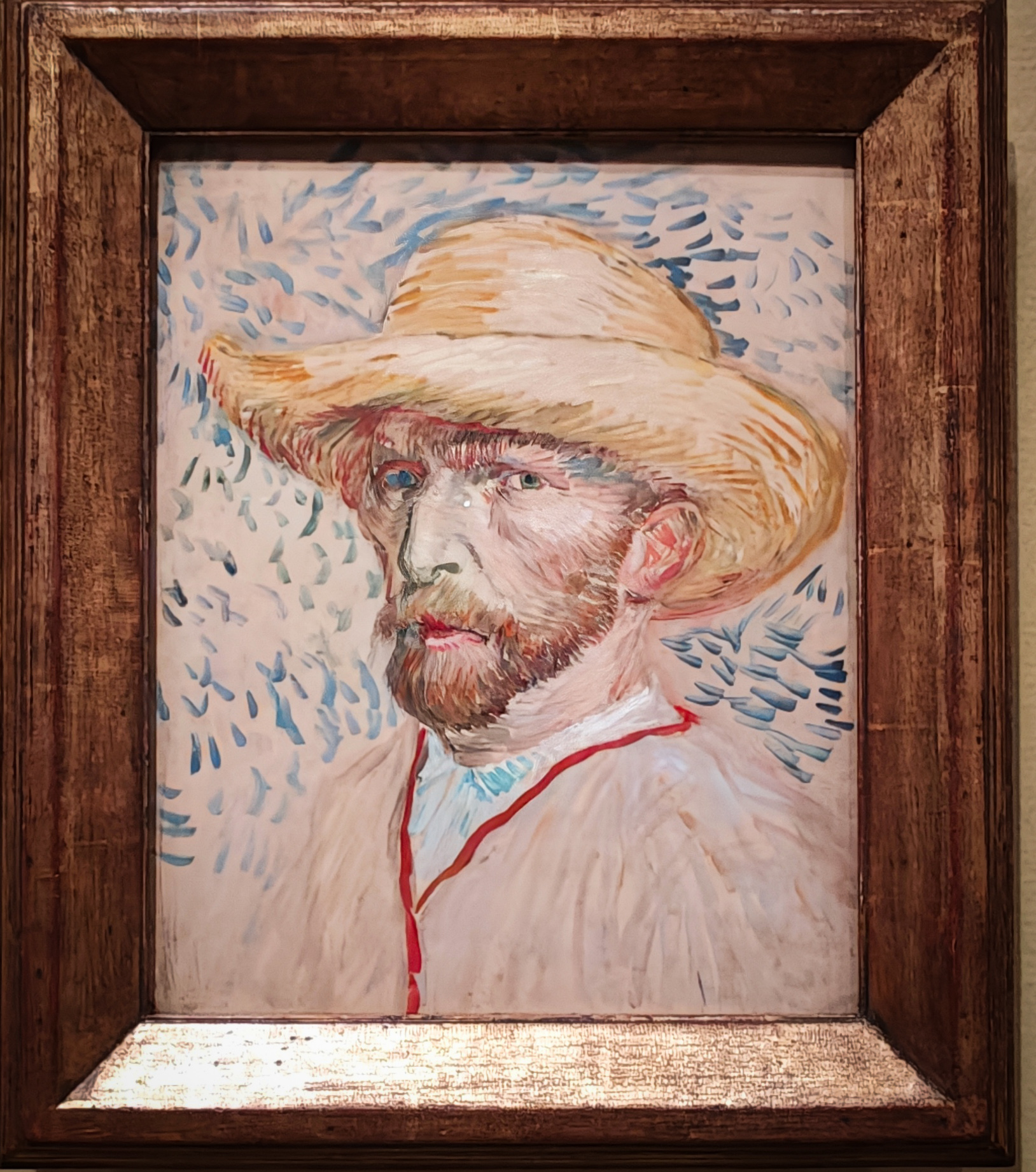
Self Portraits
Unable to afford models, he turned to the only subject always willing to sit for him in the quiet: his own reflection.
Anne Frank
The quotes in Anne Frank house that rearranged something with me!
“In spite of everything, I still believe that people are really good at heart” – Anne Frank
“I don’t think of all the misery, but of the beauty that still remains” – Anne Frank
“Women should be respected as well! Generally speaking, men are held in great esteem in all parts of the world, so why shouldn’t women have their share? Soldiers and war heroes are honored and commemorated, explorers are granted immortal fame, martyrs are revered, but how many people look upon women too as soldiers?…Women, who struggle and suffer pain to ensure the continuation of the human race, make much tougher and more courageous soldiers than all those big-mouthed freedom-fighting heroes put together!” – Anne Frank
“We all live with the objective of being happy; our lives are all different and yet the same.” – Anne Frank
Everyone has inside of him a piece of good news. The good news is that you don’t know how great you can be! How much you can love! What you can accomplish! And what your potential is! – Anne Frank